
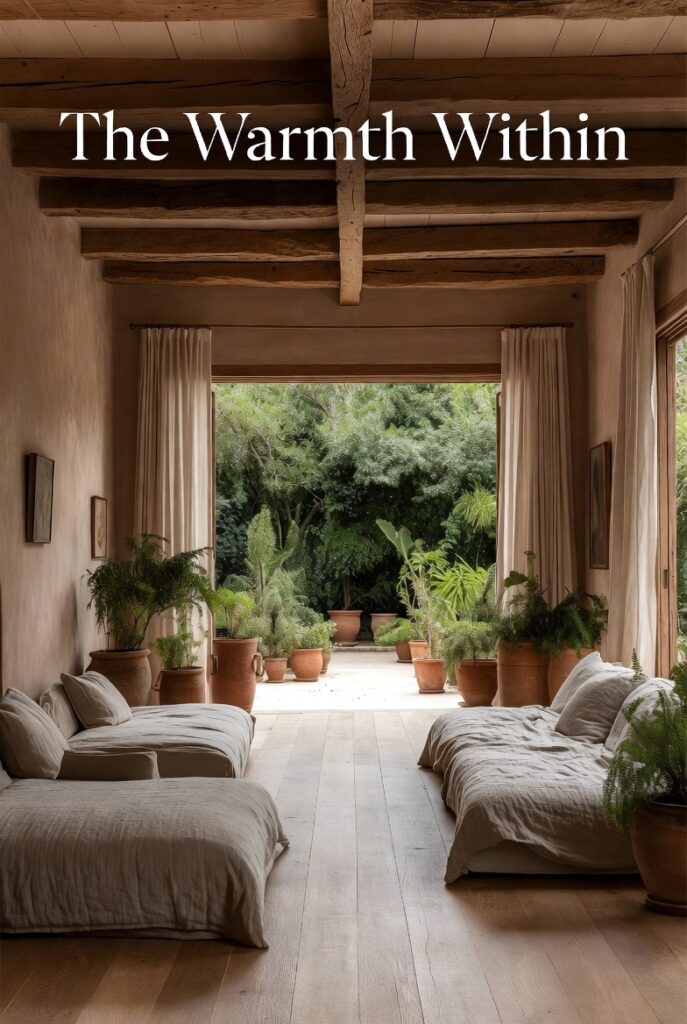
The Warmth Within: How 2026 Is Bringing Soul Back to Minimalist Homes
For more than a decade, cold minimalism reigned supreme. Grey walls, stark white spaces, sleek lines, and almost clinical restraint were hailed as the pinnacle of modern design. It photographed beautifully. It felt “sophisticated.” And for a while, it satisfied a cultural desire for order and calm in a chaotic world.
But something shifted.
Slowly at first, then with increasing momentum, people began to feel the emotional limitations of those cold, grey interiors. The same spaces that once felt modern started to feel sterile, lonely, and emotionally flat. Homeowners and designers alike began whispering the same quiet complaint: “It looks good, but it doesn’t feel good.”
This fatigue was not just aesthetic — it was deeply human. After years of uncertainty, global upheaval, and digital overstimulation, people started craving homes that offered comfort, warmth, and a sense of being truly held. They wanted spaces that felt protective rather than performative. They wanted rooms that welcomed them home, not rooms that looked impressive in photos.
Enter the quiet revolution of warm minimalism — the defining interior movement of 2026.
This is not a rejection of minimalism itself. It is an evolution. Warm minimalism keeps the clarity, breathing room, and intentional editing that made minimalism appealing in the first place. But it replaces the coldness with soul. It trades icy greys for earthy, living tones. It swaps glossy, hard surfaces for natural textures that invite touch. And perhaps most importantly, it brings living plants back into the conversation as essential design partners rather than afterthoughts.
The shift is subtle but profound. Where cold minimalism often felt like a stage set, warm minimalism feels like a sanctuary. It understands that a home’s primary job is not to impress guests, but to nurture the people who live there.
This movement is gaining traction not because it is trendy, but because it meets a real emotional need. In 2026, we are collectively longing for beauty that comforts us. For spaces that feel grounded, alive, and deeply personal. For homes that reflect not just our taste, but our humanity.
And nowhere is this more beautifully expressed than in the thoughtful combination of rich earth tones and abundant living plants — the two elements that form the heart of the new warm minimalist aesthetic.
This is more than a design trend. It is a return to what homes have always been meant to be: places of refuge, joy, and quiet beauty. Places where we can exhale.
The cold grey chapter is closing. A warmer, more soulful era of design is beginning.
And it feels like coming home.
The Beauty of Earth Tones
At the foundation of warm minimalism in 2026 lies a completely new understanding of color — or more accurately, a return to colors that feel alive.
Goodbye to flat, cool greys. Hello to the rich, grounding language of the earth.
The 2026 palette is built around warm, organic neutrals that change with the light throughout the day. Creamy taupes, toasted almonds, soft mushroom browns, sandy beiges, and gentle terracottas have taken center stage. These are not “beige” in the boring sense of the word. These are nuanced, multi-dimensional tones with golden undertones that glow beautifully in morning light and feel cozy as the sun sets.
What makes these earth tones so powerful is their emotional intelligence. Cool greys can feel distancing and sterile. Earth tones do the opposite — they embrace you. They create a sense of safety and calm that resonates on a primal level. Psychologists have long known that humans are naturally drawn to colors found in nature. In 2026, interior design is finally catching up to that truth.
Designers are using these tones in layered, intentional ways. A living room might feature walls in a warm taupe, paired with linen upholstery in a slightly lighter sand tone and wooden accents in medium oak. The subtle variation creates depth without visual clutter. A kitchen might use soft terracotta on an accent wall or backsplash, grounding the space while making it feel warm and inviting even on the grayest days.
One of the most beautiful qualities of earth tones is how they age. Unlike stark white or cool grey, which can show wear and feel dated quickly, these warmer neutrals develop character over time. They patina gracefully. They look better lived in.
This palette also plays extraordinarily well with natural light. As the sun moves across the sky, these colors shift subtly — glowing golden in the morning, turning soft and quiet in the afternoon, and becoming deeply comforting in the evening. The room itself feels alive, constantly evolving with the day.
When paired with the right materials, earth tones become even more compelling. Matte wood finishes, textured plaster walls, linen fabrics, and woven jute rugs all enhance the natural beauty of these colors. The result is a space that feels rich and layered while remaining fundamentally simple.
This is not decorative minimalism. This is soulful minimalism — where color serves emotion rather than trend. Where every tone is chosen not just because it looks good, but because it feels good.
And when you introduce living plants into these earthy spaces, something magical happens. The green of the leaves creates a beautiful, natural contrast against the warm neutrals. The combination feels complete — as though the room is finally breathing.
Earth tones are not a trend. They are a return to something ancient and deeply human: our instinct to surround ourselves with the colors of the natural world. In 2026, that instinct is finally being honored in design.
The Living Soul of the Space
If earth tones provide the grounding foundation of warm minimalism in 2026, then living plants are its heartbeat.
In the cold grey era, plants were often treated as optional accessories — a single fiddle leaf fig placed dramatically in the corner for “visual interest.” Today, they are essential design partners. They bring life, movement, oxygen, and a profound sense of calm that no inanimate object can replicate.
The best warm minimalist homes right now don’t just have plants — they celebrate them. Plants are styled with intention, placed thoughtfully, and allowed to become part of the architecture of the room.
Clay pots and terracotta containers have made a strong comeback. Their organic, earthy texture perfectly complements the warm neutral palettes. Unlike shiny ceramic or plastic pots, terracotta feels authentic and grounded. Over time, the pots develop a natural patina that adds even more character to the space.
Designers are using plants in three powerful ways:
Scale and Drama A tall bird of paradise, mature fiddle leaf fig, or olive tree becomes a living sculpture in the corner of a room. These statement plants add height, soften hard lines, and create a natural focal point without needing additional decor.
Layering and Movement Trailing plants like pothos, string of pearls, or philodendron are allowed to cascade from shelves, mantels, or hanging planters. This creates gentle movement and softens the geometry of the room. Smaller plants grouped on tables or window sills add rhythm and interest at eye level.
Connection to Nature The most successful rooms blur the boundary between indoors and outdoors. Large windows paired with plants placed near them make the greenery feel like an extension of the garden. In sunrooms especially, this connection becomes magical — sunlight streaming through windows, dancing across leaves, warming the earth-toned walls.
The psychological benefits are significant. Studies continue to show that indoor plants reduce stress, improve air quality, boost mood, and increase creativity. In our increasingly digital world, bringing living nature indoors feels not just beautiful, but necessary.
Popular plant choices for this aesthetic in 2026 include:
- Fiddle Leaf Fig and Bird of Paradise for dramatic height
- Monstera and Rubber Plant for bold architectural leaves
- Snake Plant and ZZ Plant for easy-care sculptural beauty
- Pothos and Philodendron for beautiful trailing movement
- Olive trees and Ferns for soft, Mediterranean calm
The key is restraint and intention. Rather than filling every surface, thoughtful curation of 5–12 plants (depending on room size) creates maximum impact with minimum visual noise.
When paired with warm earth tones and natural wood, these plants don’t compete with the architecture — they complete it. The green leaves create a perfect, living contrast against the neutral backdrop. The result is a space that feels both curated and alive.
This is what makes warm minimalism so special. It is minimalism with a pulse. Simplicity with a soul. And plants are the element that makes the entire philosophy breathe.
Designing the Perfect Sunroom & Key Living Spaces
The ultimate expression of warm minimalism in 2026 may well be the sunroom — a space that perfectly blends indoor comfort with the beauty of the outdoors.
Imagine this: soft morning light pouring through large, black-framed windows. Warm taupe walls bathed in golden sunlight. Natural wood beams overhead. Abundant plants in terracotta pots scattered thoughtfully throughout. A deep linen sofa facing the garden. A low wooden coffee table with a few meaningful objects. This is not just a sunroom — it is a sanctuary.
The Ultimate 2026 Sunroom
Start with the walls. Choose a warm, earthy neutral — a soft taupe or creamy beige with golden undertones. These colors reflect light beautifully and create a calm backdrop that makes plants pop. Pair this with generous natural wood elements: exposed ceiling beams, wide-plank flooring, or vertical wood paneling on one accent wall. The wood brings warmth and texture while grounding the space.
Furniture should be comfortable and low-profile. A generous linen-covered sectional or daybed invites lounging. Wooden armchairs with woven seats add organic character. Keep the coffee table simple — perhaps a live-edge slab or a chunky wooden block — and top it with a ceramic bowl and a single trailing plant.
Plants are the stars here. Use a mix of heights and forms:
- Tall fiddle leaf figs or olive trees near the windows
- Medium monstera and bird of paradise for sculptural presence
- Trailing pothos and ferns on shelves or hanging planters
- Smaller succulents and herbs on the coffee table
Terracotta and clay pots are essential — their warm, earthy color perfectly complements the palette and adds natural texture.
Add meaningful art. A large abstract painting in earthy tones, a framed botanical print, or a sculptural ceramic piece on a pedestal. Art in these spaces should feel personal and collected, never decorative for its own sake.
Lighting is critical. Maximize natural light during the day. In the evening, layer warm ambient lighting — wall sconces, a sculptural floor lamp, and string lights outside for that magical indoor-outdoor glow.
Living Room
Apply the same principles on a larger scale. Earth tone walls, substantial wood furniture, layered textiles, and strategic plants. One hero plant in the corner. A beautiful rug that grounds the seating area. Keep surfaces mostly clear so the eye can rest.
Kitchen
Warm wood cabinetry, terracotta or stone backsplash, and open shelving displaying hand-thrown pottery and herbs in clay pots. Natural light is non-negotiable. A wooden dining table with linen chairs becomes the heart of daily life.
Bedroom
A low wooden platform bed, luxurious linen bedding in warm neutrals, and soft lighting. One or two statement plants near the window create a restful, spa-like atmosphere. Keep decor minimal — perhaps one meaningful piece of art above the bed.
The common thread across all these spaces is intention. Every element serves both beauty and function. Nothing is included just because it’s trendy. Everything is chosen because it contributes to a feeling of warmth, calm, and joy.
This is the true power of warm minimalism in 2026: it creates homes that don’t just look beautiful — they feel like a deep, nourishing exhale at the end of the day.
Creating Your Own Warm Sanctuary
Bringing warm minimalism into your home in 2026 doesn’t require a complete renovation. It begins with intention and small, meaningful choices.
Start by editing. Remove anything that feels cold, plastic, or purely decorative. Then slowly layer in the elements that matter: warm earth-tone paint on at least one wall, natural wood furniture, textured fabrics, and — most importantly — living plants.
Choose your plants with care. Begin with three to five that match your lifestyle and light conditions. Place them where they can thrive and where their presence adds the most joy. Use terracotta and clay pots generously — their warmth and texture are part of the beauty.
Let natural light guide you. Open curtains wide during the day. Add soft, warm lighting for evenings. Allow shadows from plants to dance across walls. These small rituals turn a house into a living, breathing space.
Remember that this style is not about perfection. A slightly worn linen sofa, a chipped terracotta pot, or an imperfect wooden table adds soul. These homes are meant to be lived in, not just photographed.
At Home & Art Magazine, we believe this movement is so powerful because it aligns with something deeply human. Home is more than shelter. It is the place that keeps us safe, holds our memories, and reflects who we truly are. Art — whether a painting on the wall or a living plant reaching toward the sun — is emotion made visible.
The rise of warm minimalism in 2026 is not simply a trend. It is a return to homes that comfort us, ground us, and bring us joy every single day. It proves that simplicity and richness can coexist beautifully. That restraint can be soulful. That less truly can be more — when chosen with love and intention.
Whether you’re redesigning your entire home or simply refreshing one room, we invite you to embrace this warmer, more human approach to living. Create a space that doesn’t just look beautiful, but feels like you.
And if you’ve created something special — a sunroom filled with plants, a living room wrapped in earth tones, or any space that makes you feel truly at home — we would love to see it. Consider sharing your story through our Authority Features program. Your home might inspire thousands of others who are also searching for warmth in 2026.
The future of design feels warm. And it feels like home.
