
Meaning & Memory Maintenance & Repair Home Over Time
Family, Household & Care Rooms & Functions
Bath Bar Bedroom Deck Dining Game Room Garage Gym Kitchen
Library Living Office Patio Porch Sunroom Suite
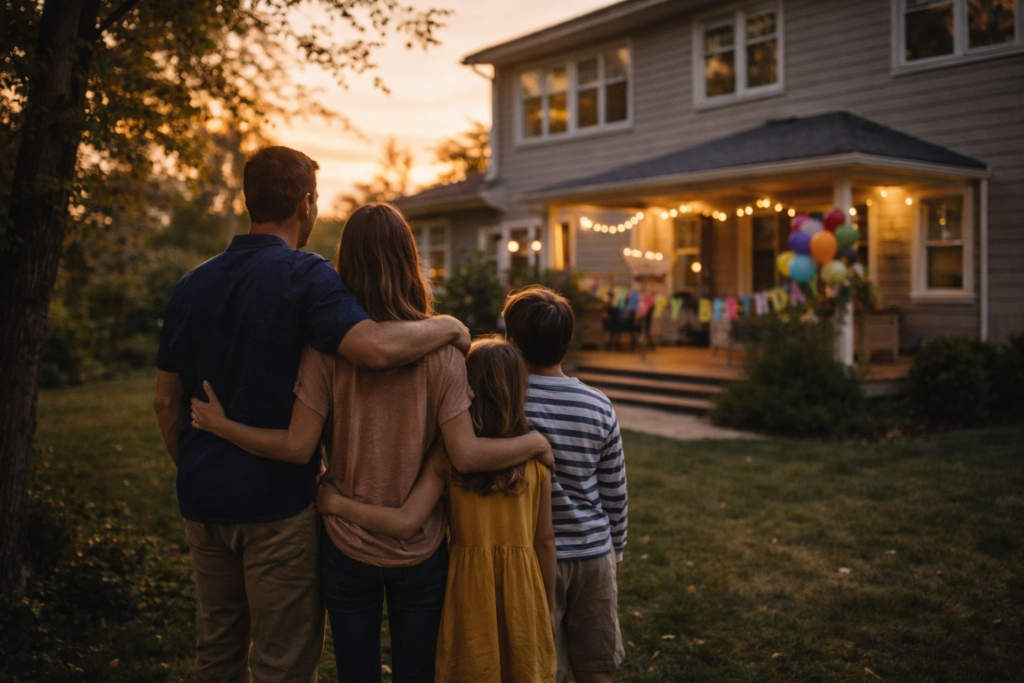
Homeownership is more than just having a physical space to call your own. It’s about creating the home of your dreams and the ultimate refuge for yourself, your family, and your friends. Not only does it provide security and stability, but it also enables you to create a living environment that perfectly reflects who you are.
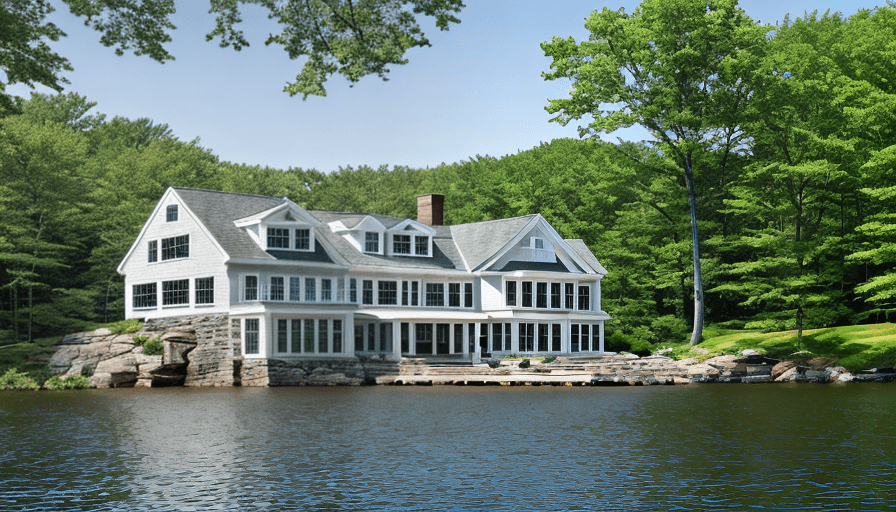
Harmonious Modern House Design With Spaces Surrounded By Lush Vegetation
If you are looking for a modern home design that feels spacious and surrounded by nature, then this harmonious modern house in the heart of nature is perfect for you! This unique home features large open spaces that create an inviting atmosphere and provide plenty of natural light. The materials used to construct the exterior walls give off strong earthy tones, creating a peaceful and tranquil ambience. The interior is designed with modern, minimalist furniture that enhance the feel of openness while adding an element of sophistication to the house. The lush vegetation surrounding the home brings nature right into your living space – making it truly one-of-a kind! Whether you are looking for a relaxing retreat or hosting guests, this harmonious modern house design will be sure to provide an unforgettable experience. With its modern features, inviting atmosphere and natural vibes, this home is the perfect place for you to call your own!
I’m staring out into the night, Trying to hide the pain. I’m going to the place where love And feeling good don’t ever cost a thing. And the pain you feel’s a different kind of pain. Well I’m going home, Back to the place where I belong, And where your love has always been enough for me. I’m not running from. No, I think you got me all wrong. I don’t regret this life I chose for me. But these places and these faces are getting old, So I’m going home. Well I’m going home. The miles are getting longer, it seems, The closer I get to you. I’ve not always been the best man or friend for you. But your love remains true. And I don’t know why. You always seem to give me another try.
10 Best Home Building Technologies in the World
From smart home systems to new building materials, the world of home construction is constantly evolving. Here at Home & Art Magazine, we’re excited to share with you some of our favorite cutting-edge technologies that are transforming the way homes are built around the world!
First on our list is 3D printing technology. This innovative technology allows homes to be created with the click of a button, reducing lead times and providing much more precise constructions than ever before. Architects and designers alike are realizing the potential of 3D printing for creating complex shapes and designs that weren’t possible in traditional building methods.
Next is prefabricated construction – something that has been gaining significant traction in recent years. Prefabricated construction allows homebuilding projects to be completed faster and with fewer materials, resulting in lower costs and greater efficiency. Homebuyers are also able to customize their homes without needing to do any of the work themselves.
Robotic construction is another incredibly exciting technology that is quickly making its way into the homebuilding industry. Robotics can be used to build walls, lay bricks, and do other complex tasks without human input. This results in faster construction times and better accuracy than traditional methods.
Finally, we have building information modeling (BIM), which is an incredibly useful tool for homebuilders. BIM allows them to visualize a project in 3D, making it easier to identify potential problems before construction begins. It also allows homebuilders to make better decisions when it comes to design and materials.
Architecture: Designing Homes That Balance Beauty, Function, and Nature
Architecture is far more than the act of building walls and roofs. It is the art and science of shaping how we live, move, feel, and connect within our homes. Thoughtful architectural design has the power to transform a simple structure into a meaningful living environment—one that supports daily life while inspiring comfort, creativity, and well-being.
In today’s world, architecture is evolving rapidly. Homeowners are no longer looking for just square footage; they want spaces that feel intentional, efficient, and deeply connected to nature. From modern minimalist homes surrounded by lush vegetation to smart houses powered by cutting-edge technology, architecture is redefining what it means to truly feel “at home.”
The Role of Architecture in Modern Homeownership
Homeownership represents stability, freedom, and self-expression. Architecture plays a critical role in shaping that experience. The layout of a home affects how families interact, how light moves through a space, and how comfortable the environment feels throughout the day.
A well-designed home:
-
Encourages natural movement between rooms
-
Maximizes daylight and ventilation
-
Creates visual harmony between interior and exterior spaces
-
Reflects the personality and lifestyle of its owners
Modern architecture prioritizes livability just as much as visual appeal. Open floor plans, flexible spaces, and seamless indoor-outdoor transitions allow homes to adapt to changing needs—whether that’s working from home, entertaining guests, or finding quiet moments of retreat.
Harmonious Architecture Inspired by Nature
One of the strongest trends in contemporary architecture is the integration of nature into residential design. Homes surrounded by greenery, courtyards, gardens, and natural materials offer a sense of calm that is increasingly valuable in a fast-paced world.
Architects achieve this harmony through:
-
Large glass walls and sliding doors
-
Natural materials like wood, stone, and concrete
-
Earth-toned color palettes
-
Strategic placement of plants and landscaping
When architecture embraces nature, homes feel more expansive, breathable, and grounded. Natural light enhances mood, improves energy efficiency, and highlights textures and finishes throughout the home. Lush vegetation softens modern lines, creating a balanced aesthetic that feels both contemporary and timeless.
Modern House Design: Clean Lines, Open Spaces
Modern architectural design is defined by simplicity, clarity, and intention. Clean lines, uncluttered spaces, and functional layouts allow each element of the home to serve a purpose without excess.
Key features of modern house architecture include:
-
Open-concept living areas
-
Minimalist furniture and finishes
-
Neutral color schemes with warm accents
-
Emphasis on geometry and proportion
Rather than overwhelming the senses, modern architecture creates room to breathe. Every design choice—from window placement to ceiling height—is made to enhance comfort and flow. The result is a home that feels both sophisticated and inviting.
Architecture That Supports Everyday Living
Great architecture supports how people actually live. Kitchens open into dining areas, living rooms connect naturally to outdoor patios, and bedrooms offer privacy and rest away from social spaces.
Functional architecture considers:
-
Storage solutions built into the design
-
Clear separation between public and private areas
-
Acoustic comfort and privacy
-
Accessibility and long-term adaptability
Homes designed with function in mind reduce stress and improve daily routines. When spaces are intuitive and efficient, homeowners can focus on what truly matters—family, creativity, and relaxation.
Sustainable Architecture and Eco-Conscious Design
Sustainability is no longer optional in modern architecture. Eco-friendly homes are designed to reduce environmental impact while increasing long-term value and comfort.
Sustainable architectural features include:
-
Energy-efficient insulation and windows
-
Passive solar design
-
Rainwater collection systems
-
Use of recycled and renewable materials
Architects are also designing homes that respond to local climates, reducing the need for artificial heating and cooling. These thoughtful choices not only lower energy bills but also contribute to healthier living environments.
The Rise of Smart Architecture and Building Technology
Advancements in building technology are revolutionizing architecture worldwide. From 3D-printed homes to robotic construction, innovation is shaping the future of residential design.
Some of the most impactful technologies include:
-
Smart home systems that control lighting, climate, and security
-
Prefabricated construction for faster and more efficient builds
-
Robotic construction for precision and safety
-
Building Information Modeling (BIM) for advanced planning and visualization
These technologies allow architects to experiment with bold designs while maintaining efficiency and accuracy. For homeowners, this means better quality, reduced construction time, and more customization options.
Interior Architecture: Where Structure Meets Style
Interior architecture bridges the gap between architectural structure and interior design. It focuses on how materials, lighting, and spatial planning work together to shape the interior experience.
Successful interior architecture considers:
-
Ceiling heights and proportions
-
Natural and artificial lighting balance
-
Material transitions between spaces
-
Visual continuity throughout the home
When interior architecture is done well, every room feels connected, cohesive, and intentional. Even smaller homes can feel expansive when space is used wisely.
Architecture and Art: A Natural Partnership
Architecture and art are deeply intertwined. The structure of a home provides the canvas, while art adds emotion, identity, and warmth. Architectural design often guides where art is placed, how it’s lit, and how it’s experienced.
Art enhances architecture by:
-
Adding focal points to open spaces
-
Softening minimalist interiors
-
Creating emotional connections within the home
-
Reflecting personal stories and family values
From statement walls to sculptural elements, art transforms architectural spaces into personal sanctuaries.
Creating Emotional Connections Through Architecture
Homes are emotional spaces. Architecture influences how safe, inspired, and relaxed we feel. Thoughtful design fosters connection—between family members, between indoor and outdoor spaces, and between the home and its surroundings.
Architecture that prioritizes emotion often includes:
-
Cozy nooks and reading corners
-
Natural textures and warm lighting
-
Spaces designed for gathering and conversation
-
Private retreats for rest and reflection
When architecture aligns with human needs, a house becomes more than a structure—it becomes a home filled with meaning.
The Future of Residential Architecture
As lifestyles continue to change, architecture will keep evolving. Flexible floor plans, multi-functional rooms, and sustainable materials will shape the next generation of homes.
Future-focused architecture will emphasize:
-
Wellness and mental health
-
Environmental responsibility
-
Technological integration
-
Personalized, adaptable living spaces
Homes of the future will not only look beautiful—they will actively support healthier, more connected lives.
Architecture at Home & Art Magazine
At Home & Art Magazine, we celebrate architecture as both an art form and a practical foundation for daily living. Our goal is to inspire homeowners, designers, and architecture lovers with ideas that blend beauty, innovation, and functionality.
Whether you are planning a new build, renovating an existing home, or simply seeking inspiration, architecture offers endless possibilities. By combining thoughtful design, modern technology, and artistic expression, your home can become a space that truly reflects who you are.
Architecture shapes how we live—make it intentional, inspiring, and uniquely yours.
