
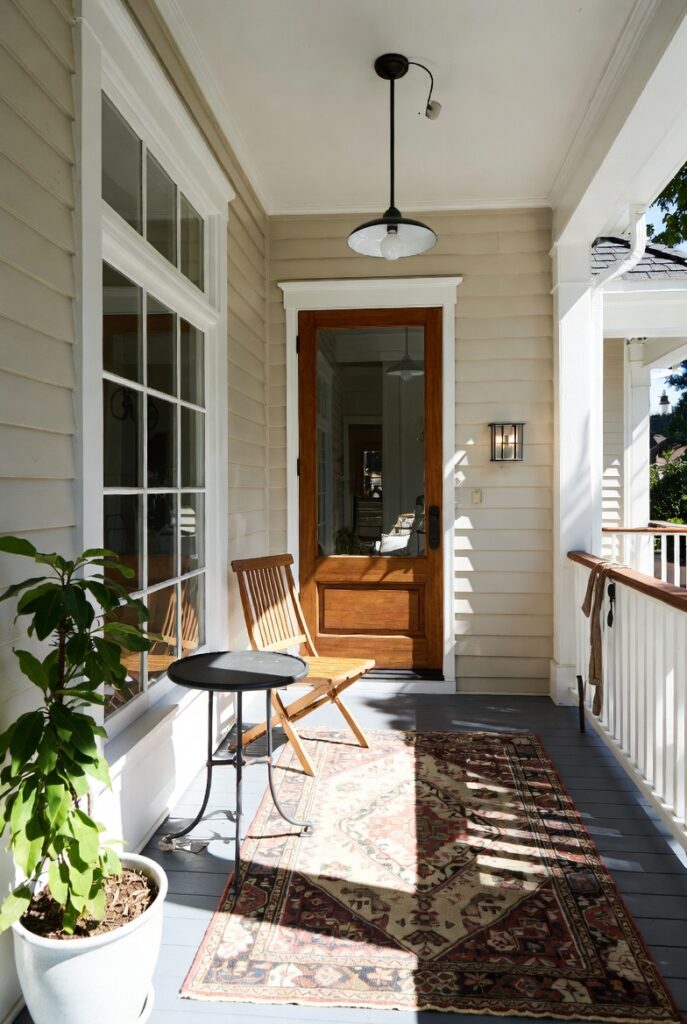
A porch is more than an architectural feature—it is a threshold between private life and the outside world. At Home and Art Magazine, we celebrate the porch as a space where design, culture, and everyday living meet. Whether expansive and wraparound or intimate and compact, the porch embodies hospitality, relaxation, and thoughtful craftsmanship.
Historically, porches have played a vital role in residential architecture. In warm climates, they offered shade and airflow before the invention of air conditioning. In rural communities, they served as gathering spaces where neighbors connected and families unwound after long days. Today, the porch continues to evolve, blending traditional charm with modern aesthetics while maintaining its social and environmental significance.
From a design perspective, porches can dramatically influence curb appeal. Columns, railings, flooring materials, and ceiling treatments all contribute to the home’s personality. A classic farmhouse porch might feature painted wood planks, rocking chairs, and lantern-style lighting. A contemporary porch may lean into clean lines, concrete flooring, and minimalist furnishings. Coastal-inspired porches often incorporate breezy textiles, natural wood tones, and layered textures that echo the surrounding landscape.
Material selection is essential when designing a porch. Durable woods such as cedar and treated pine remain popular for their natural warmth and resilience. Composite decking offers low-maintenance performance with a polished look. Stone, brick, and tile can create timeless foundations that withstand the elements. Ceiling details—such as beadboard paneling or exposed beams—add dimension and architectural interest.
Furniture and décor transform a porch into a living space. Comfortable seating encourages relaxation and conversation. Cushioned benches, porch swings, and woven lounge chairs create inviting focal points. Outdoor rugs define seating areas while softening hard surfaces. Potted plants and hanging baskets introduce life and color, reinforcing the porch’s connection to nature. Thoughtful lighting—from sconces to pendant fixtures—extends usability into the evening hours and enhances ambiance.
Porches also support wellness and mindful living. They offer a place to enjoy morning coffee, read a book, or watch the sunset. The simple act of stepping onto a porch can reduce stress by fostering fresh air and visual openness. In urban settings, a small front porch can create a buffer between the home and busy streets, offering a quiet retreat while maintaining connection to the community.
In colder regions, screened or enclosed porches provide year-round functionality. Screens protect against insects while preserving airflow, and glass enclosures transform porches into sunrooms filled with natural light. Layered textiles, weather-resistant cushions, and outdoor heaters allow homeowners to extend seasonal use comfortably.
Sustainability is increasingly shaping porch design. Reclaimed wood, eco-friendly stains, and energy-efficient lighting contribute to environmentally conscious construction. Green design principles encourage integrating native plants and rainwater collection systems, enhancing both beauty and ecological responsibility.
Beyond aesthetics, the porch symbolizes welcome. It is often the first impression guests receive—a reflection of the homeowner’s taste and values. Whether adorned with seasonal wreaths, curated seating, or simple architectural details, a porch tells a story before anyone steps inside.
At Home and Art Magazine, we view the porch as an artistic extension of the home. It invites creativity in layout, material selection, and styling. It bridges indoors and outdoors while supporting community, relaxation, and architectural expression. In every form—from grand verandas to modest stoops—the porch remains a timeless feature that celebrates both design and human connection.
