
Uruguayan Homes: Simplicity, Comfort, and Timeless Refinement
Homes in Uruguay emphasize simplicity, comfort, and timeless design. Art is often used sparingly yet thoughtfully, adding warmth and personality to interiors that feel relaxed and refined. This understated elegance reflects Uruguay’s position as South America’s most European-influenced country — a stable, progressive nation with Italian, Spanish, French, and German immigrant roots layered over Indigenous Charrúa heritage and gaucho traditions. From Montevideo’s graceful boulevards to the golden beaches of Punta del Este and the rolling pampas of the interior, Uruguayan homes prioritize livability, natural light, honest materials, and a quiet sophistication that feels both contemporary and deeply rooted.
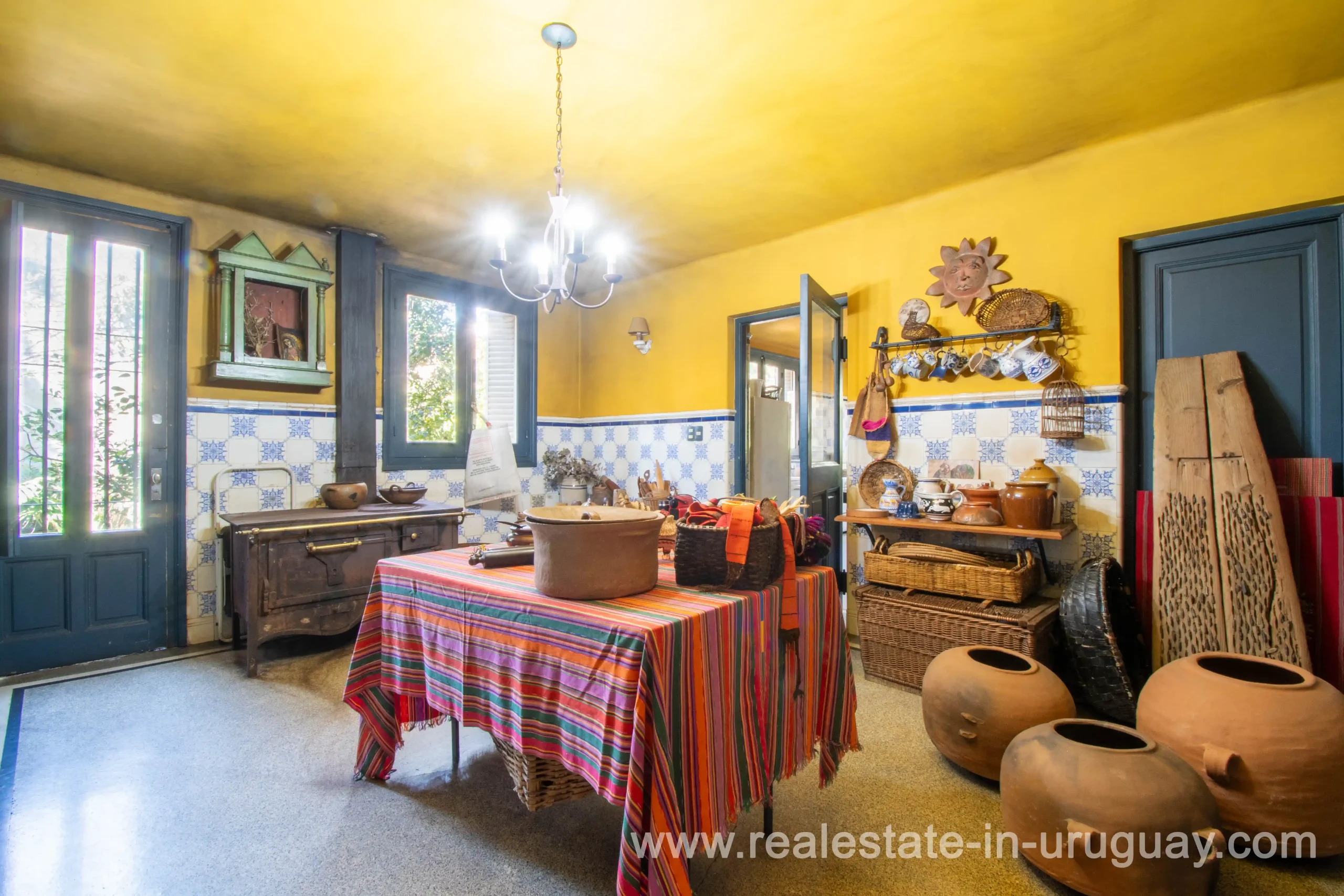
Historical and Cultural Foundations
Uruguayan domestic architecture evolved through waves of immigration and adaptation. Colonial-era homes in Colonia del Sacramento and Montevideo drew from Spanish and Portuguese models: thick adobe or masonry walls, central courtyards, and tiled roofs. In the 19th and early 20th centuries, waves of European immigrants brought neoclassical, Art Nouveau, and Art Deco influences, visible in Montevideo’s elegant apartments and grand residences.
Modernism took root strongly in the mid-20th century. Pioneers like Julio Vilamajó (designer of Casa Vilamajó, 1930) introduced clean lines, open plans, and integration with landscape, influenced by Le Corbusier yet adapted to local climate and culture. Engineer Eladio Dieste revolutionized brick construction with stunning double-curved vaults that remain iconic. Today, Uruguayan design balances this modernist legacy with a renewed appreciation for vernacular simplicity and sustainability.

Regional Expressions
Montevideo and Urban Centers: Apartments and townhouses in neighborhoods like Pocitos or Carrasco blend colonial bones with modern updates. High ceilings, herringbone wood floors, large windows, and balconies maximize natural light. Interiors favor neutral palettes — soft whites, warm beiges, and greiges — with thoughtful accents of leather, linen, and wood. Art Deco and mid-century details often remain as elegant focal points.
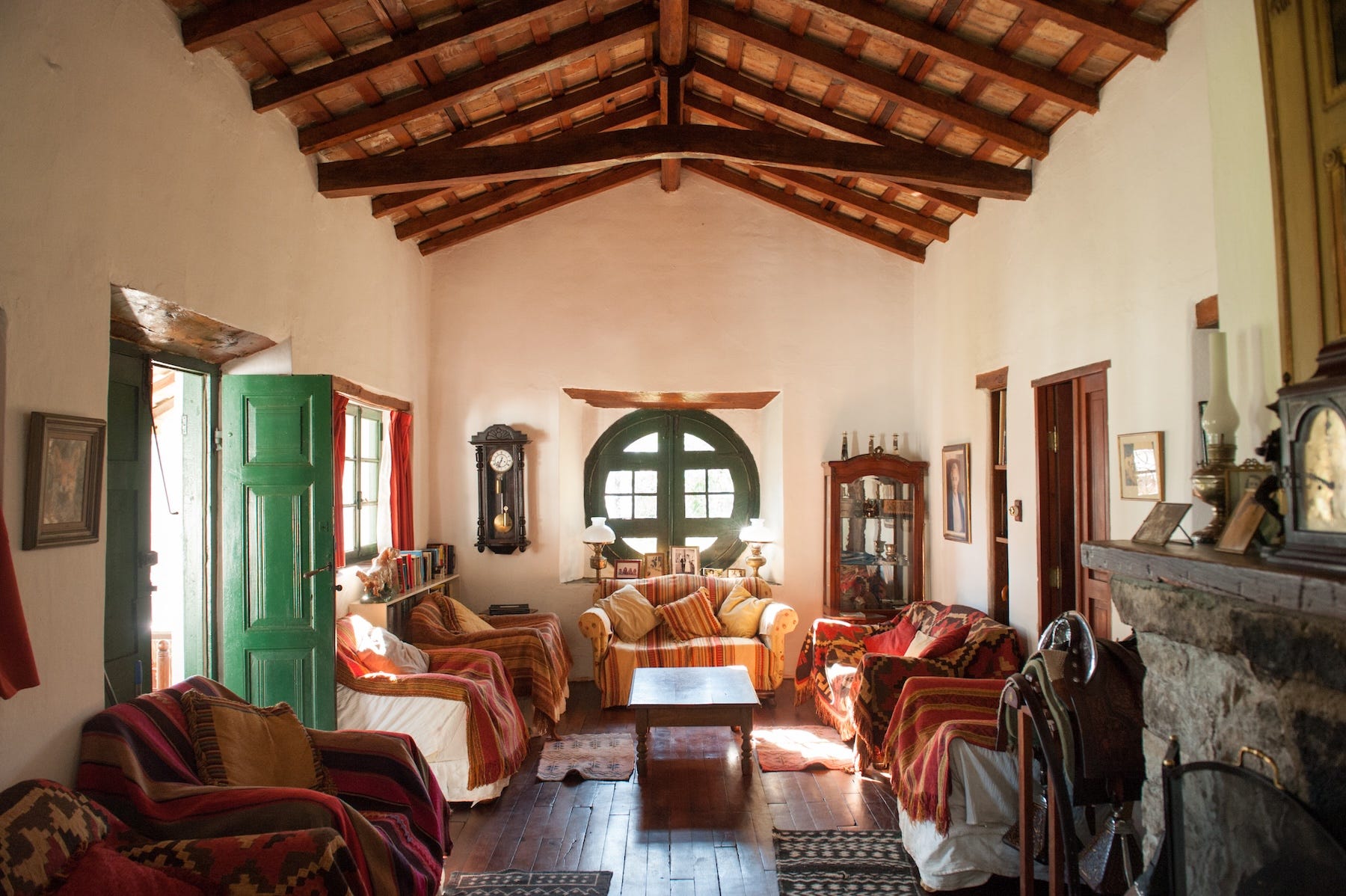
Punta del Este and the Atlantic Coast: Beach homes range from sleek modernist villas to relaxed bungalows. Floor-to-ceiling glass opens to ocean views, while natural stone, wood decks, and whitewashed walls create breezy, light-filled spaces. Interiors emphasize indoor-outdoor living with minimal yet comfortable furnishings.
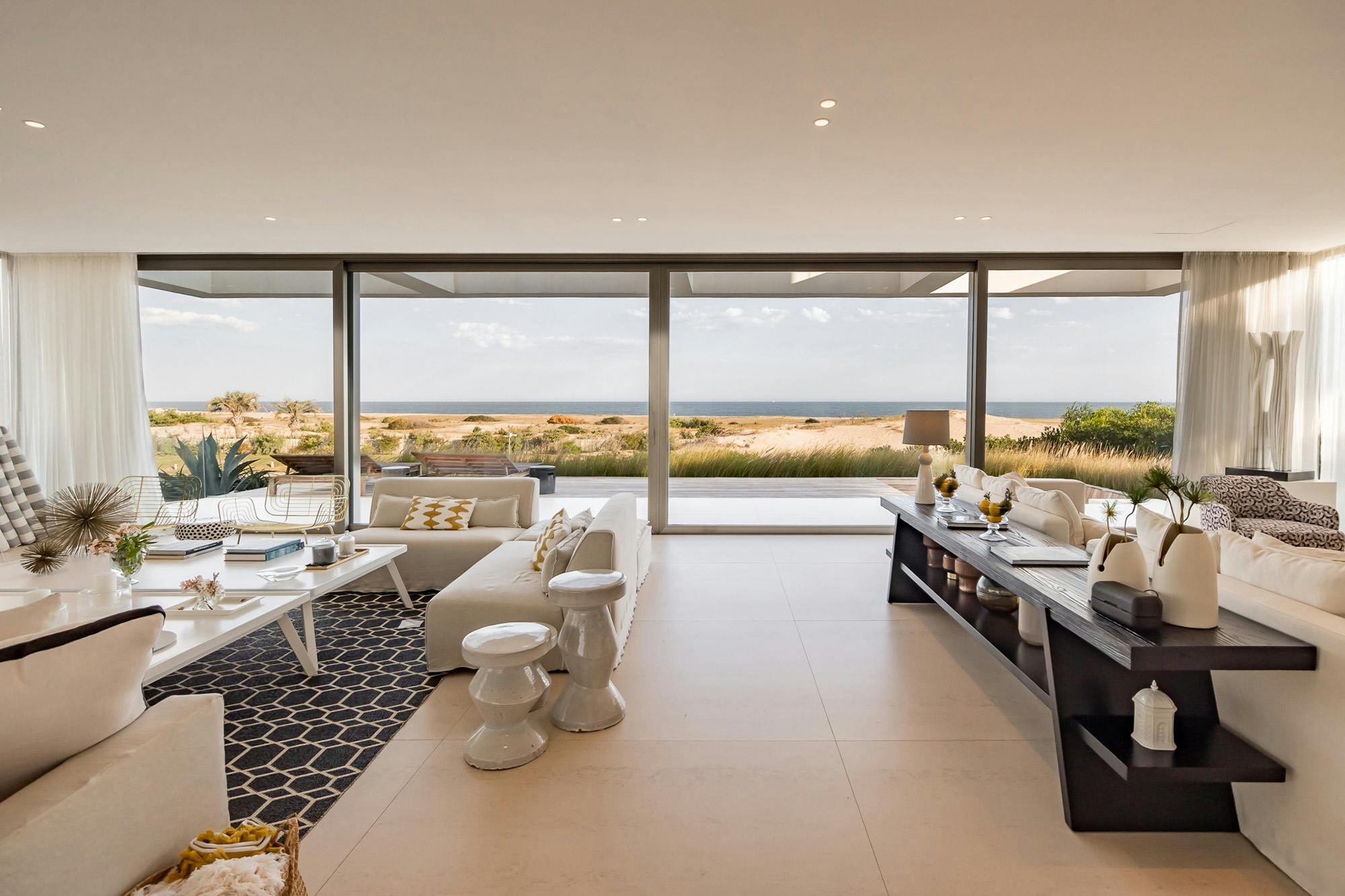
Countryside Estancias and the Pampas: Traditional estancias feature long, low adobe or brick structures with wide verandas (galerías) overlooking grasslands. Interiors are rustic yet refined: exposed wooden beams, terracotta or stone floors, leather sofas, and gaucho-inspired textiles. The quincho (outdoor covered grill area) serves as the social heart for asados (barbecues).
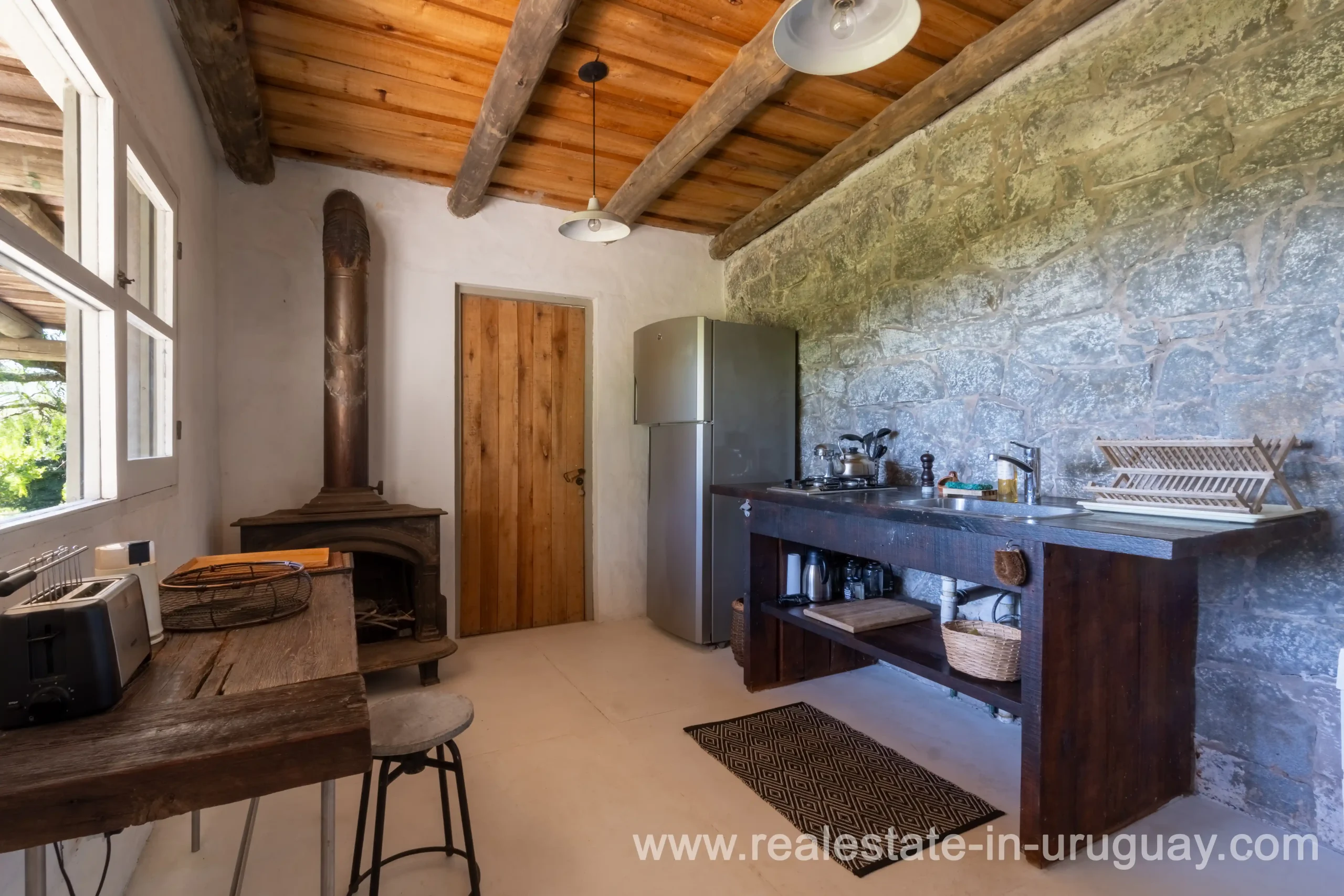
Colonia and Smaller Towns: Charming colonial homes with cobblestone streets, colorful shutters, and intimate courtyards create romantic, lived-in atmospheres.
Materials and Timeless Craftsmanship
Uruguayan homes celebrate honest, durable materials:
- Wood: Native species and reclaimed timber for floors, beams, and furniture.
- Stone and Brick: Local granite and brick for thermal mass and texture.
- Leather and Linen: Classic for upholstery, reflecting gaucho heritage and comfort.
- Tile and Concrete: Terracotta tiles and polished concrete for coolness and modernity.

Design remains practical: excellent cross-ventilation, shaded outdoor spaces, and flexible layouts for family and guests. Sustainability is increasingly central, with passive solar design, rainwater harvesting, and local sourcing.
Art: Thoughtful and Personal
Art in Uruguayan homes is selective and meaningful. A single large painting, a sculptural piece by artists like Joaquín Torres García or Pablo Atchugarry, or a curated collection of contemporary works adds personality without clutter. Gaucho-themed artworks, landscape photography of the pampas, or abstract pieces provide warmth. Handcrafted ceramics, silver mate gourds, and woven textiles add subtle cultural layers. Plants and natural light enhance the refined, relaxed feel.

Influential Voices in Uruguayan Design
Architects like Julio Vilamajó, Eladio Dieste, and Mario Paysse Reyes shaped the modernist foundation. Contemporary practices — MAPA, Estudio Obra Prima, and Emma Arquitectos — continue this tradition with contextual, sustainable projects that respect landscape and heritage. Interior designers favor calm palettes, natural textures, and thoughtful curation, creating homes that feel personal yet timeless.
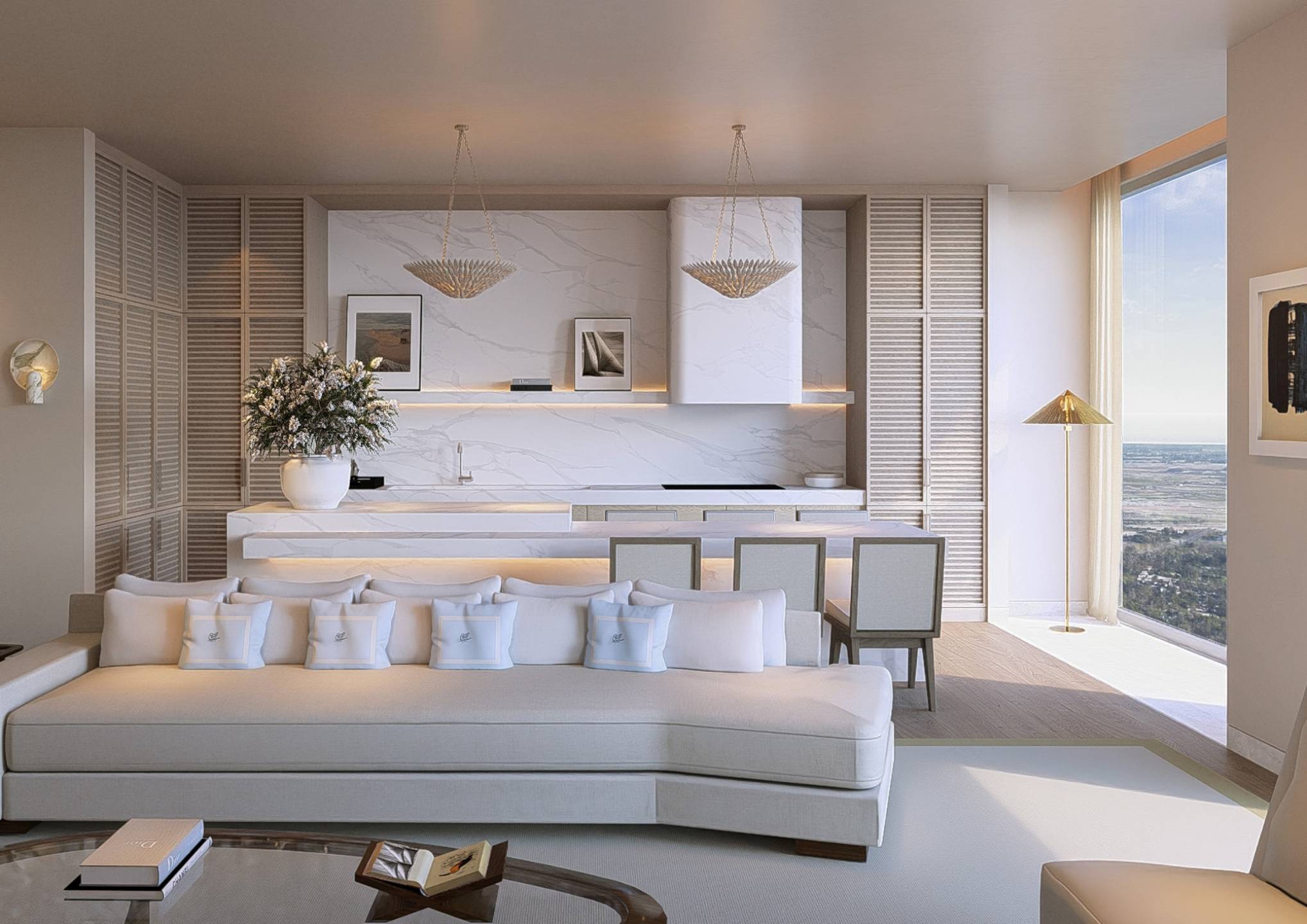
Creating a Uruguayan-Inspired Home
Achieve this relaxed refinement anywhere:
- Palette — Neutral bases (whites, beiges, soft grays) with warm wood and leather accents.
- Materials — Wood floors, stone or brick details, linen and leather upholstery.
- Layout — Open plans, strong indoor-outdoor connections, high ceilings.
- Furniture — Mix clean modern lines with classic or vintage pieces; prioritize comfort.
- Art — Choose fewer, stronger pieces — one statement artwork or a small curated group.
- Details — Abundant natural light, plants, thoughtful lighting, and personal objects.
- Outdoor Living — Veranda, patio, or balcony as an extension of the home.
Kitchens emphasize simplicity and socializing with open shelving and quality materials. Bedrooms feel serene with layered bedding and natural textures. Living areas invite conversation through balanced, comfortable arrangements.
Why This Style Resonates Today
Uruguayan homes offer a model of quiet luxury and intelligent living. They prove that simplicity can be sophisticated, comfort can be refined, and thoughtfulness creates lasting beauty. In a noisy world, they provide calm through honest materials, natural light, and meaningful details — homes designed for real life, family, friends, and connection to place.
Whether in a restored colonial casona in Montevideo, a glass-walled beach villa in José Ignacio, or a rustic-chic estancia embracing the pampas, Uruguayan interiors embody tranquilidad — peaceful refinement. They remind us that the most beautiful homes are those that feel effortless, welcoming, and true to their surroundings.
