
Surinamese Homes: A Vibrant Tapestry of Cultural Fusion
Homes in Suriname reflect a diverse mix of cultural influences. Art inspired by heritage, nature, and everyday life brings color and character to interiors that feel welcoming and expressive. This unique style emerges from Suriname’s remarkable multiculturalism — the only Dutch-speaking nation in South America, where Indigenous Amerindian traditions blend with African Maroon and Creole heritage, Indian, Javanese, Chinese, Dutch, and Lebanese influences. Located on the northeastern Atlantic coast with vast rainforests, savannas, and rivers, Surinamese homes adapt beautifully to a hot, humid tropical climate while celebrating Sranan (Surinamese) identity through resourceful design, bold color, and heartfelt storytelling.
Historical and Cultural Roots
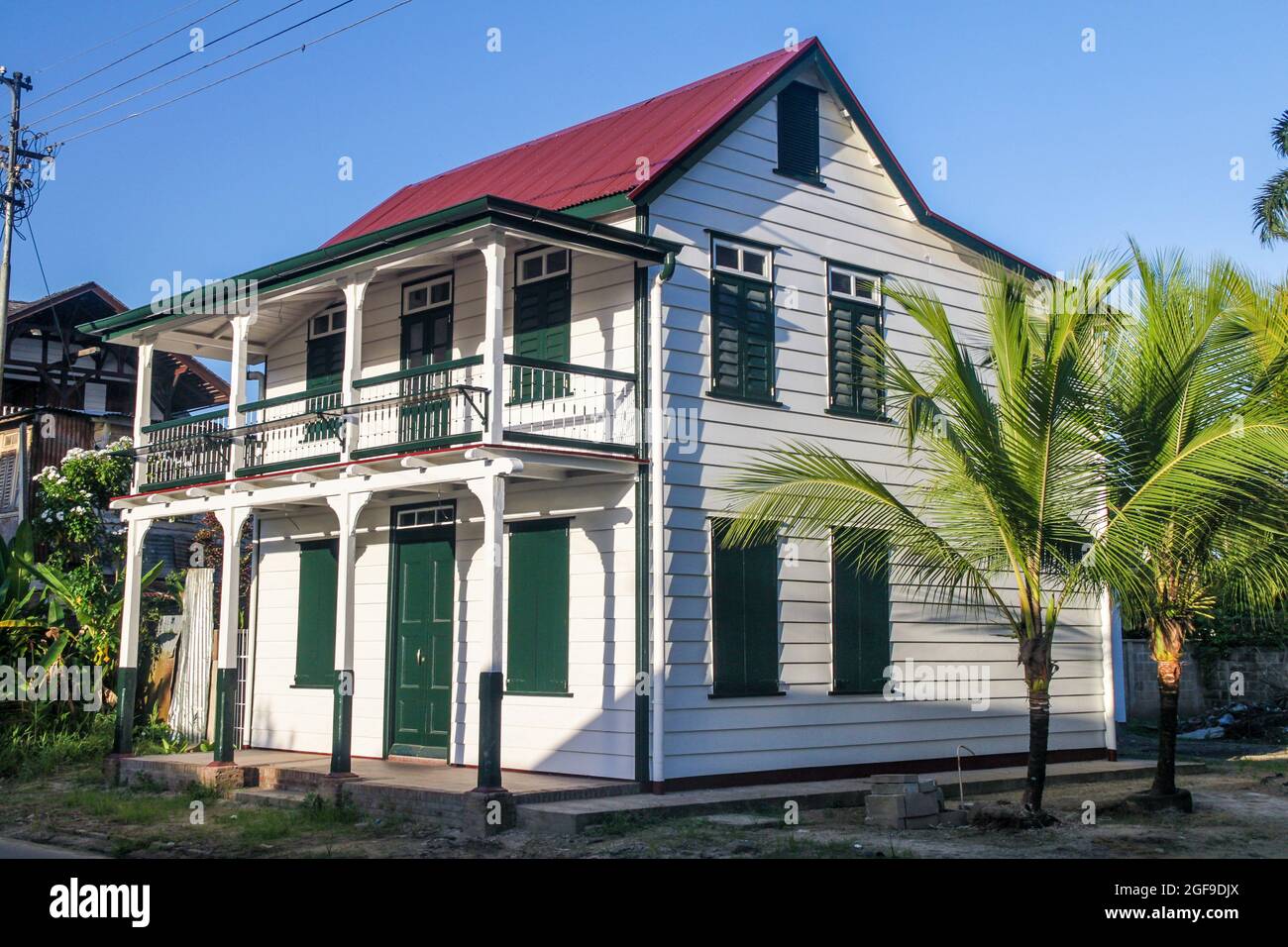
Suriname’s architectural story begins with Indigenous peoples who built elevated wooden structures with thatched roofs suited to flooding and humidity. Dutch colonization from the 17th century introduced European techniques, but adapted them to the tropics: wooden houses on brick foundations, wide verandas for shade and socializing, and louvered shutters for ventilation. Paramaribo’s historic inner city, a UNESCO World Heritage Site since 2002, exemplifies this fusion — symmetrical wooden facades painted in crisp whites with dark green or red accents, ornate fretwork balconies, and high-pitched roofs.
Enslaved Africans who escaped to form Maroon communities in the interior developed independent building traditions using local hardwoods and thatch. Later waves of indentured laborers from India (Hindustani), Java (Indonesia), and China added temples, mosques, and domestic elements like verandas and courtyards. The result is a true mistura — a harmonious blend where no single culture dominates, but all contribute to welcoming, practical homes.

Regional Expressions
Paramaribo and the Coastal Area: The capital showcases the most iconic Surinamese style. Elevated wooden “Creole” houses with stoeps (brick front steps), spacious verandas, and carved details line the streets. Interiors prioritize airflow with high ceilings, polished wood or tile floors, and open plans. Walls are often painted in cheerful pastels or crisp white, creating bright, airy spaces perfect for the climate. Verandas serve as outdoor living rooms furnished with wicker, hammocks, and simple wooden seating.

Interior and Rainforest Regions: Maroon and Indigenous villages feature traditional wooden or thatched homes on stilts. These are practical and expressive — open-sided for breeze, with hand-carved doors and vibrant wall paintings or textiles. Modern eco-homes reinterpret these with sustainable materials while preserving cultural motifs.
Countryside Plantations and Smaller Towns: Former plantation houses blend Dutch symmetry with local adaptations. Javanese and Hindustani influences appear in colorful Hindu temples nearby and domestic details like saris used as curtains or intricate woodwork.

Materials, Craftsmanship, and Everyday Comfort
Surinamese homes emphasize climate-appropriate, locally sourced materials:
- Wood: Dominant — durable tropical hardwoods like purpleheart or greenheart for structures and detailing.
- Brick Foundations: Elevate homes against flooding and termites.
- Thatch and Bamboo: Used in rural and Maroon areas for roofs and partitions.
- Tile and Concrete: Modern additions for durability in urban settings.
Interiors feel welcoming through practical choices: ceiling fans, mosquito netting (or modern screens), generous seating for gatherings, and layered textiles that add softness and color. Furniture mixes colonial-style dark wood with rattan, wicker, and handmade pieces.
Art Inspired by Heritage, Nature, and Life
Art transforms Surinamese homes into expressive narratives. Maroon wood carvings, intricate basketry, and colorful textiles (often with symbolic geometric patterns) feature prominently. Hindustani homes display rangoli-inspired floor art or deities, while Javanese batik and shadow puppets add layered patterns. Creole and urban homes mix these with contemporary paintings of rainforest wildlife, Kaieteur Falls, or daily market scenes.
Everyday objects become art: hand-painted calabashes, beadwork, musical instruments (drums, sitars), and family photos. Nature inspires murals of parrots, orchids, or jaguars. The overall effect is joyful, personal, and culturally rich — never minimalist, always full of visual interest and stories.
Contemporary Design and Innovation
While rooted in tradition, Surinamese design evolves. Local architects blend colonial forms with modern sustainability — using passive cooling, solar power, and recycled materials. Firms like Marsat Architecture, Gorilla Architecture Designs, and KDV Architects create custom homes that respect heritage while meeting contemporary needs for light, space, and environmental sensitivity. Projects often incorporate community input, reflecting Suriname’s collaborative spirit.
Creating a Surinamese-Inspired Home Anywhere
You can capture this warm, multicultural energy:
- Base — Wooden or tile floors, high ceilings, neutral or pastel walls.
- Color — Bold accents in greens, yellows, reds, and turquoises.
- Textiles & Craft — Layer patterned cushions, throws, rugs, and wall hangings from diverse traditions.
- Art — Mix heritage pieces, nature-inspired works, and personal collections.
- Outdoor Living — Veranda or balcony with hammocks and seating.
- Furniture — Comfortable wooden and wicker pieces for socializing.
- Plants — Abundant greenery to connect with nature.
Kitchens become social hubs with open shelving displaying ceramics. Bedrooms feel cozy with layered bedding and mosquito-net canopies (or modern equivalents). Living areas encourage faya (gathering) through flexible seating.
Why Surinamese Style Resonates Globally
Surinamese homes model joyful multiculturalism in a compact, practical form. They adapt to challenging climates with ingenuity, honor diverse heritages without hierarchy, and prioritize community and comfort. In an increasingly divided world, they demonstrate how different cultures can create harmonious, expressive living spaces. These interiors feel welcoming because they are — shaped by hands from many traditions, filled with color and story, designed for real life, laughter, and connection.
From a brightly painted wooden Creole house in Paramaribo with its iconic veranda overlooking the Suriname River to a Maroon stilt home in the rainforest or a modern fusion villa embracing the savanna, Surinamese houses embody Sranan spirit: resilient, colorful, and profoundly hospitable. They prove that the richest homes are those that weave many threads into one welcoming whole.
