
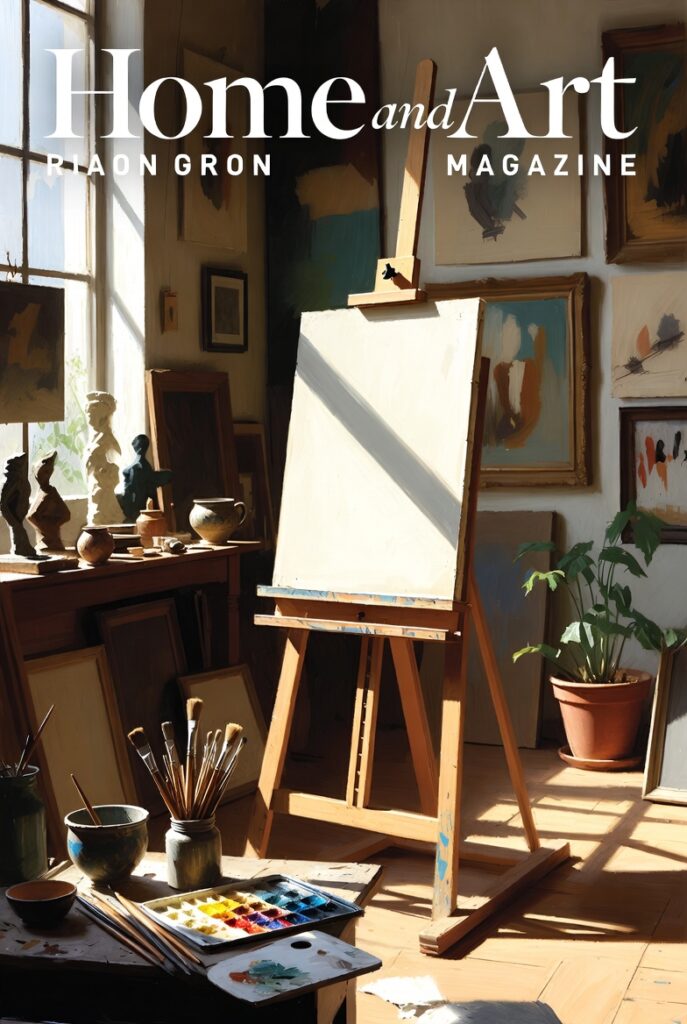
Painting: A Timeless Expression of Creativity
Painting has long been one of humanity’s most expressive and enduring forms of art. From the cave murals of Lascaux to contemporary abstract masterpieces, painting allows artists to communicate emotions, ideas, and narratives in ways that transcend language. It is both a personal journey and a cultural mirror, reflecting the evolution of societies, technologies, and aesthetic philosophies throughout history.
At its core, painting is the act of applying pigment to a surface to create an image, design, or visual impression. Traditionally, this involves mediums such as oil, acrylic, watercolor, tempera, and ink, each offering unique textures, finishes, and levels of versatility. Oil painting, celebrated for its rich colors and slow drying time, has been the medium of choice for many classic artists like Leonardo da Vinci and Rembrandt, allowing intricate layering and subtle blending. Acrylics, in contrast, dry quickly and offer bright, bold colors that are popular in modern and contemporary art. Watercolors provide delicate transparency, ideal for capturing fleeting moments and atmospheric effects, while tempera offers precision and a matte finish that has been favored for centuries in religious and iconography art.
Painting is more than just technique; it is a powerful means of storytelling. Artists use color, composition, and form to convey emotion, movement, and meaning. Impressionists like Claude Monet used short, visible brushstrokes and light-filled palettes to capture the sensation of a scene rather than its exact details. Abstract painters such as Wassily Kandinsky and Jackson Pollock embraced color, shape, and gesture to evoke feelings and concepts beyond literal representation. Contemporary painters continue this exploration, blending styles, media, and cultural influences to push the boundaries of what painting can express.
For collectors, enthusiasts, and homeowners, painting is not only an artistic pursuit but also a way to enhance living spaces. A well-chosen painting can transform a room, infusing it with energy, mood, and personality. Large-scale canvases can serve as statement pieces, commanding attention and anchoring the design of a space, while smaller works add intimate touches of color and character. Selecting artwork that resonates with one’s personal taste and complements interior design can create a harmonious balance between art and environment, making a home feel curated and vibrant.
The process of painting also holds therapeutic and meditative qualities. Many people turn to painting as a form of self-expression, mindfulness, and stress relief. The tactile nature of brush on canvas, the blending of colors, and the deliberate movement of hands and body all contribute to a sense of flow and focus. Art therapy programs leverage these qualities, using painting as a tool to help individuals explore emotions, build confidence, and foster mental well-being.
In addition, painting continues to evolve with technology. Digital painting has emerged as a modern frontier, where artists use tablets, software, and styluses to create works that mimic traditional techniques or explore entirely new visual languages. While digital mediums open new possibilities for experimentation and distribution, traditional painting remains treasured for its texture, depth, and the tangible connection between artist and canvas.
From historical masterpieces to contemporary innovations, painting remains a central pillar of human creativity. It captures the imagination, challenges perceptions, and evokes emotions in ways that few other art forms can. Whether displayed in galleries, homes, or public spaces, paintings continue to inspire, provoke, and delight, celebrating the limitless potential of human expression.
In the world of design and décor, painting is more than decoration; it is a celebration of culture, creativity, and individuality. By appreciating the technique, history, and emotional impact of paintings, enthusiasts can deepen their connection to art and bring meaningful beauty into their everyday surroundings.
Painting is, ultimately, a bridge—connecting the past with the present, the artist with the audience, and the personal with the universal. It reminds us that creativity is not bound by time or medium but thrives wherever imagination is allowed to flourish.
