
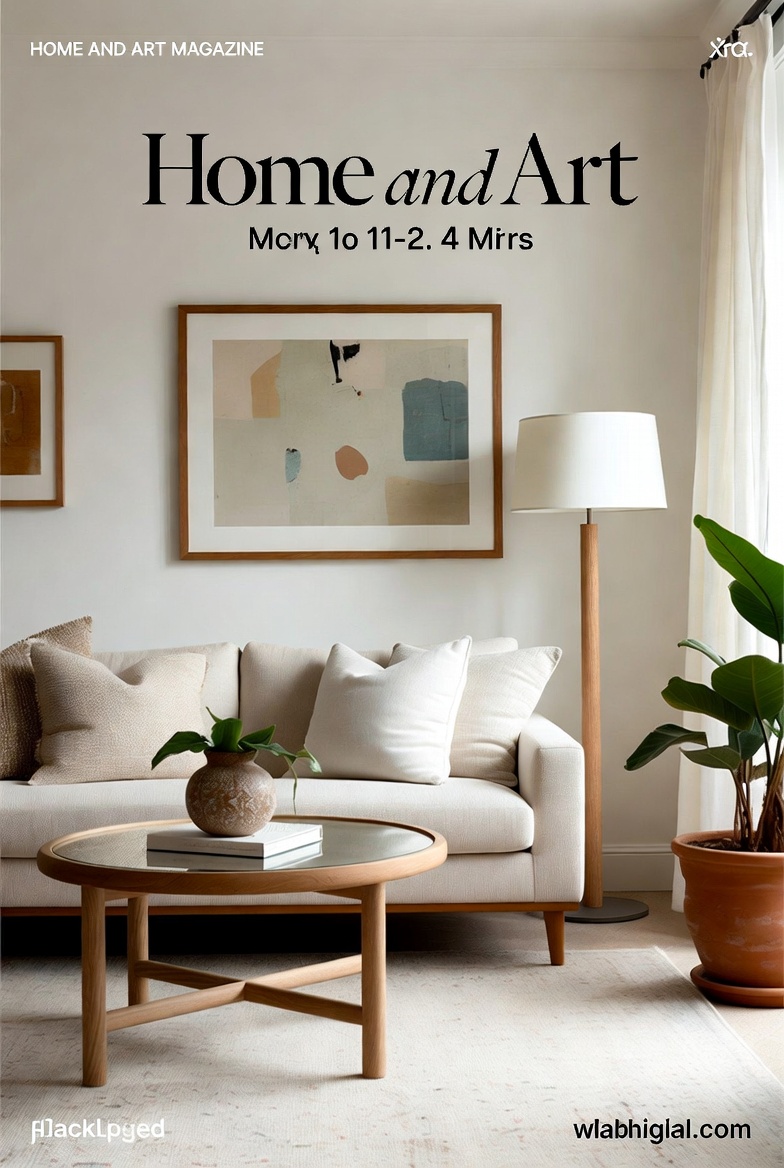
Living Room: The Heart of Home Design
The living room is often referred to as the heart of the home—and for good reason. It’s a space that blends comfort, functionality, and style, serving as a hub for social interaction, relaxation, and self-expression. Whether you are hosting guests, enjoying quiet evenings, or creating a space for your family to gather, the living room sets the tone for the rest of your home. Its design can significantly influence your lifestyle, mood, and even the way your home is perceived by others.
Defining Your Living Room Style
The first step in creating a remarkable living room is identifying the style that resonates with you. Modern minimalism emphasizes clean lines, neutral palettes, and uncluttered spaces, promoting tranquility and focus. On the other hand, traditional design leans on classic furniture, rich colors, and ornate details, evoking warmth and timeless elegance. For those drawn to creativity and individuality, eclectic interiors combine diverse textures, patterns, and cultural influences to form a cohesive yet unique aesthetic. Recognizing your style preference ensures that every design choice—from furniture to art to lighting—feels intentional and harmonious.
Furniture That Speaks to Comfort and Function
Furniture is the cornerstone of living room design. A sofa is more than a seating solution; it is a statement piece that invites relaxation while reflecting your style. Consider scale and proportion: a sectional may suit an open-plan living area, whereas a pair of loveseats may better serve a more intimate setting. Accent chairs, ottomans, and versatile side tables provide flexibility while enhancing the room’s layout. Don’t forget the importance of materials—soft fabrics, plush cushions, and tactile textures create a sense of warmth, while leather or polished finishes offer sophistication and durability.
Storage is equally crucial. Built-in shelves, credenzas, and media consoles not only organize belongings but also provide surfaces for personal expression through books, decorative objects, and curated art collections. Combining style with functionality ensures that your living room remains inviting rather than cluttered, offering both visual appeal and practical usability.
Lighting: Setting the Mood
Lighting shapes the ambiance of your living room. Natural light is invaluable, creating a sense of openness and connection to the outdoors. Large windows, skylights, or glass doors can flood the space with daylight, enhancing colors and textures while improving mood. Layered lighting—incorporating ambient, task, and accent lights—ensures adaptability. Chandeliers and pendant lights provide dramatic focal points, floor lamps add functional illumination, and recessed or wall-mounted fixtures highlight artwork or architectural details. Thoughtful lighting design transforms your living room from a mere gathering space into a dynamic, versatile environment.
Art and Accessories: Personal Expression
Art and decorative accents give the living room its personality. Artwork, whether a bold abstract painting or a delicate sculpture, draws the eye and sparks conversation. Mirrors can enhance light and create the illusion of space, while rugs define seating areas and introduce texture, pattern, and color. Accessories such as vases, candles, and throw pillows offer opportunities to rotate seasonal updates, maintaining a fresh and evolving aesthetic. Thoughtfully curated objects tell the story of your tastes and experiences, making the room uniquely yours.
Integrating Technology Seamlessly
In today’s homes, technology plays a pivotal role in living room functionality. From smart TVs and speakers to concealed charging stations and automated lighting, tech integration should balance convenience with design. Concealment and strategic placement prevent devices from overwhelming the visual flow, allowing technology to enhance comfort without detracting from style.
Harmonizing Flow and Connection
A well-designed living room considers the flow between spaces. It should feel inviting from entry points, maintain clear pathways, and connect harmoniously with adjacent areas such as dining rooms, kitchens, or outdoor patios. Thoughtful placement of furniture, rugs, and lighting guides movement and interaction, ensuring that the space serves both aesthetic and functional purposes.
Ultimately, the living room is more than just a room—it’s a reflection of lifestyle, creativity, and comfort. By blending style, functionality, and personal touches, homeowners can create spaces that are visually captivating, emotionally uplifting, and perfectly suited to the rhythm of daily life. Whether you prefer bold design statements, serene minimalist vibes, or a warm eclectic mix, the living room remains the canvas on which the art of home life is displayed.
