
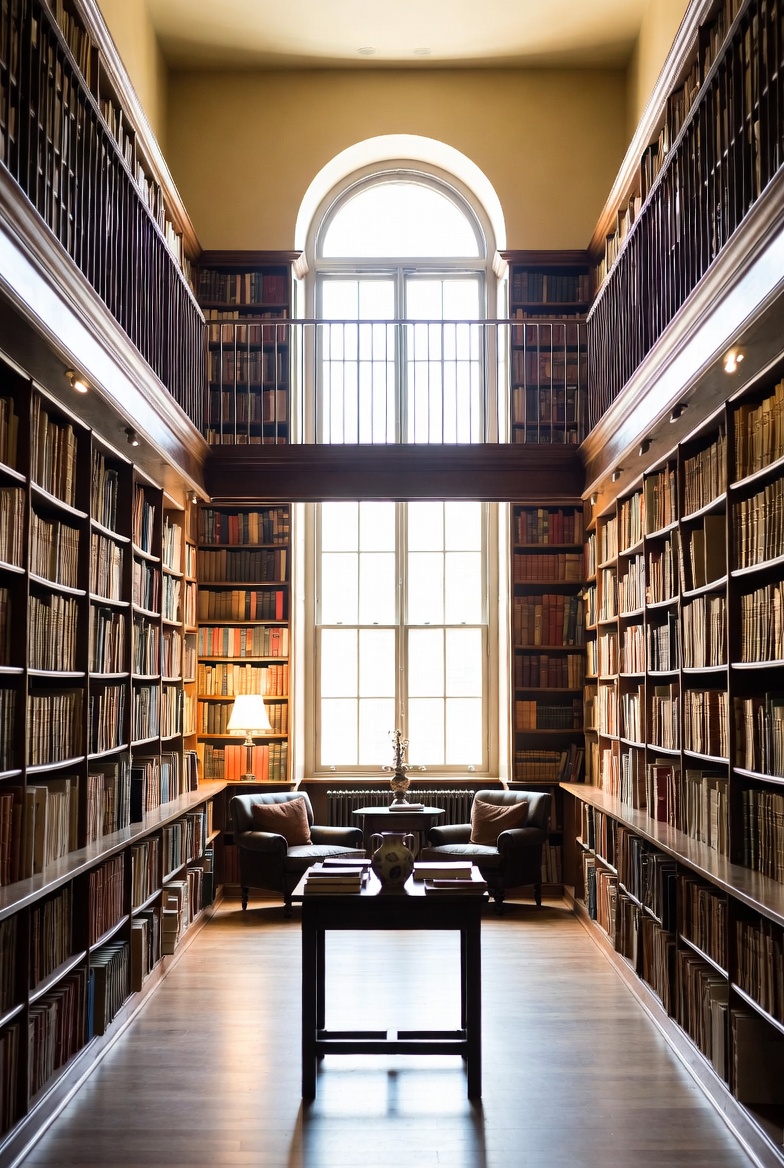
Home and Art Magazine: Library
A library is more than shelves and silence—it’s a living room for ideas, a workshop for curiosity, and, increasingly, a design statement within the home. From grand civic landmarks to intimate reading nooks, libraries hold a unique place where architecture, art, and daily life overlap. Think of icons like the Library of Congress, the New York Public Library, the Bodleian Library, or the reborn Bibliotheca Alexandrina—each proves that books can anchor spaces that feel both timeless and forward-looking. At Home and Art Magazine, we love how the spirit of these places translates into homes of every size.
The Library as a Design Anchor
In residential interiors, a library often becomes the emotional center of a home. It’s where you pause, reflect, and reconnect with stories—your own and others’. Designers treat it like a gallery: spines form a color-blocked mural, framed prints sit between volumes, and a well-chosen lamp turns a chair into an invitation. The key is balance. Too pristine and the room feels staged; too cluttered and it becomes storage. Aim for curated abundance—display what you love, edit what you don’t, and leave breathing room for the eye to rest.
Architecture Meets Atmosphere
Great libraries succeed because architecture supports the act of reading. Natural light, thoughtful acoustics, and human-scale proportions matter. At home, that can be as simple as floating shelves near a window or as ambitious as a two-story wall of books with a rolling ladder. Materials do the storytelling: warm woods signal comfort, stone and steel suggest modern clarity, and textiles soften the edges. Even small apartments can borrow the language—vertical shelving, hidden cabinets, or a built-in bench that doubles as storage.
From Quiet to Social
Today’s library isn’t just a hushed retreat. It’s also a social room where conversations happen, games get played, and ideas are tested. Many homeowners now design “hybrid” libraries: a reading zone paired with a writing desk, a listening corner, or a compact bar cart for evening gatherings. The trick is zoning with light and furniture rather than walls. A rug defines the reading area; a pendant marks the desk; a slim console hosts rotating art. The room stays flexible without losing its purpose.
Curation as Self-Portrait
What you shelve says a lot about you. Mix first editions with paperbacks, travel guides with poetry, cookbooks with sketchbooks. Add objects—ceramics, small sculptures, framed photos—to break up rows and create rhythm. Think in compositions: odd numbers, varied heights, and negative space keep shelves lively. If you love color, organize by hue for a painterly effect; if you prefer calm, group by size and let texture do the work. Either way, your library becomes a quiet autobiography.
Lighting the Way
Lighting is the unsung hero of great reading rooms. Layer it. Start with ambient light to set mood, add task lighting at chairs and desks, and finish with accent lights that wash shelves and highlight art. Warm temperatures invite long sessions; adjustable arms keep pages evenly lit. If you’re lucky enough to have daylight, protect books with UV-filtering shades and rotate delicate volumes to prevent fading. A library should age gracefully—both you and your collection deserve that.
Technology Without the Noise
Modern libraries embrace tech discreetly. E-readers and tablets coexist with print, and speakers hide behind shelves for background music. Cable management and concealed outlets keep the room serene. Consider a small digitization station for scanning notes or archiving photos—your library becomes a bridge between analog pleasure and digital efficiency.
Why It Matters
In a world of constant pings, a library is a declaration of intention. It says you value depth, patience, and the slow joy of turning pages. Whether you’re inspired by monumental institutions or building a single wall of shelves, the goal is the same: create a space that invites you to linger. When done right, a home library doesn’t just store books—it hosts your best hours.
