Guyanese Homes: Caribbean Warmth Meets South American Soul
Homes in Guyana reflect a blend of Caribbean and South American influences. Art inspired by nature and cultural diversity adds depth and individuality to interiors that prioritize simplicity and comfort. This distinctive style emerges from Guyana’s unique position as the only English-speaking country in South America — a land where the Atlantic meets vast rainforests, savannas, and the mighty Essequibo River. Guyanese interiors embody resilience, hospitality, and a fusion of Indigenous, African, Indian, European, and Chinese heritage, creating spaces that feel relaxed, vibrant, and deeply lived-in.
Historical and Cultural Roots
Guyana’s domestic architecture tells a story of adaptation and cultural layering. Indigenous Amerindian peoples built with local woods, thatch, and elevated structures suited to the tropical, flood-prone environment. Dutch colonizers introduced practical engineering — canals, sea walls, and wooden buildings on stilts. The British era added Victorian flair: ornate fretwork, louvered windows (Demerara shutters), and spacious verandas. Post-independence, modernism and practicality shaped new homes using concrete and sustainable materials.
The result is a hybrid style often called “tropical Victorian” or “Caribbean wooden architecture.” Many homes, especially in Georgetown, feature elevated “bottom houses” (open ground floors for airflow and flood protection), high-pitched roofs, wide verandas for shade and socializing, and intricate wooden latticework. These structures use durable local timbers like greenheart, which resists termites and rot in the humid climate.
Regional Expressions Across Guyana
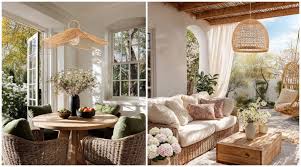
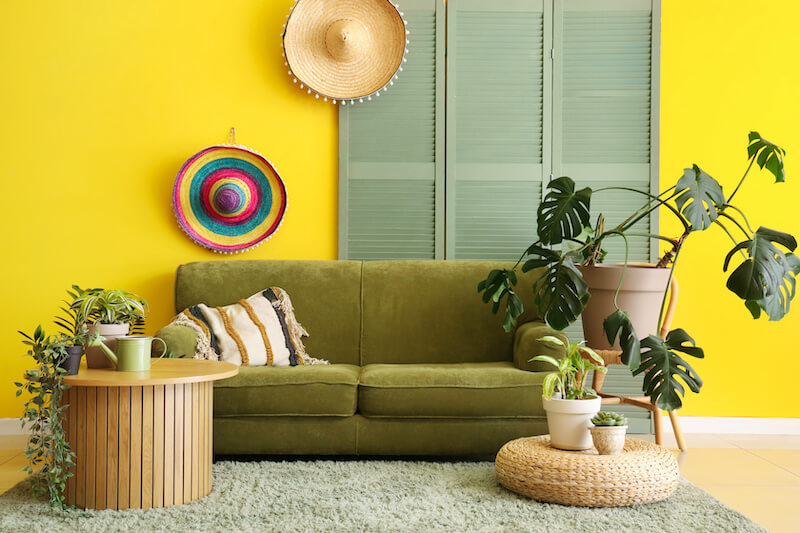
Georgetown and the Coast: The capital showcases the richest blend. Colorful wooden “chattel-style” houses with gingerbread trim line tree-shaded streets. Interiors emphasize cross-ventilation with tall ceilings, jalousie windows, and open plans. Verandas serve as outdoor living rooms, furnished with wicker, hammocks, and simple wooden benches. Bright pastel walls (turquoise, coral, yellow) reflect Caribbean vibrancy, while practical tile or polished wood floors handle humidity.
Rupununi Savannah and Interior Regions: Homes here lean toward ranch-style simplicity with Indigenous influences. Adobe or wooden structures with thatched or corrugated roofs blend into the landscape. Interiors feel earthy and spacious — open to breezes, with minimal walls and large verandas overlooking savannas. Amerindian communities incorporate traditional elements like woven palm mats and thatch.
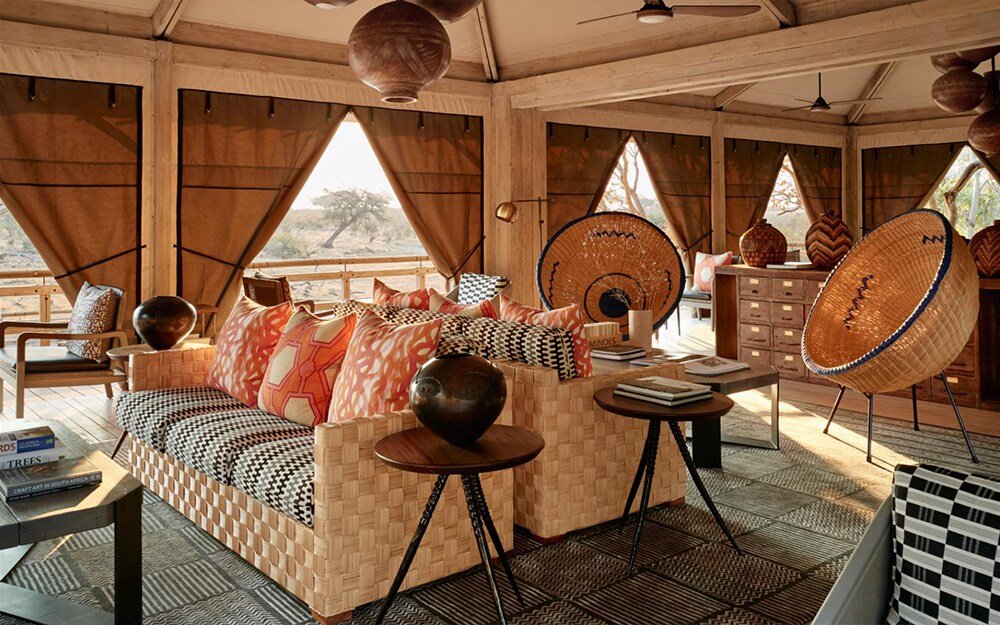
Essequibo and Rainforest Areas: Elevated stilt houses and eco-sensitive designs dominate. Interiors prioritize natural light, airflow, and connection to the forest, using bamboo, local hardwoods, and thatch. These homes feel like extensions of the environment — simple, functional, and deeply comfortable.
Materials and Craftsmanship: Simplicity with Soul
Guyanese homes celebrate accessible, climate-appropriate materials:
- Wood: Greenheart, purpleheart, and other tropical hardwoods for structure, floors, and detailing.
- Elevated Construction: Stilts or concrete pilings for flood protection and ventilation.
- Thatch and Bamboo: Traditional and sustainable options in rural areas.
- Concrete and Modern Hybrids: Increasingly common for durability in newer builds.
Interiors remain unfussy: polished wood or cool tile floors, white or pastel walls, and functional furniture. Comfort comes from ceiling fans, mosquito netting, and generous seating for gatherings.
Art, Nature, and Cultural Diversity
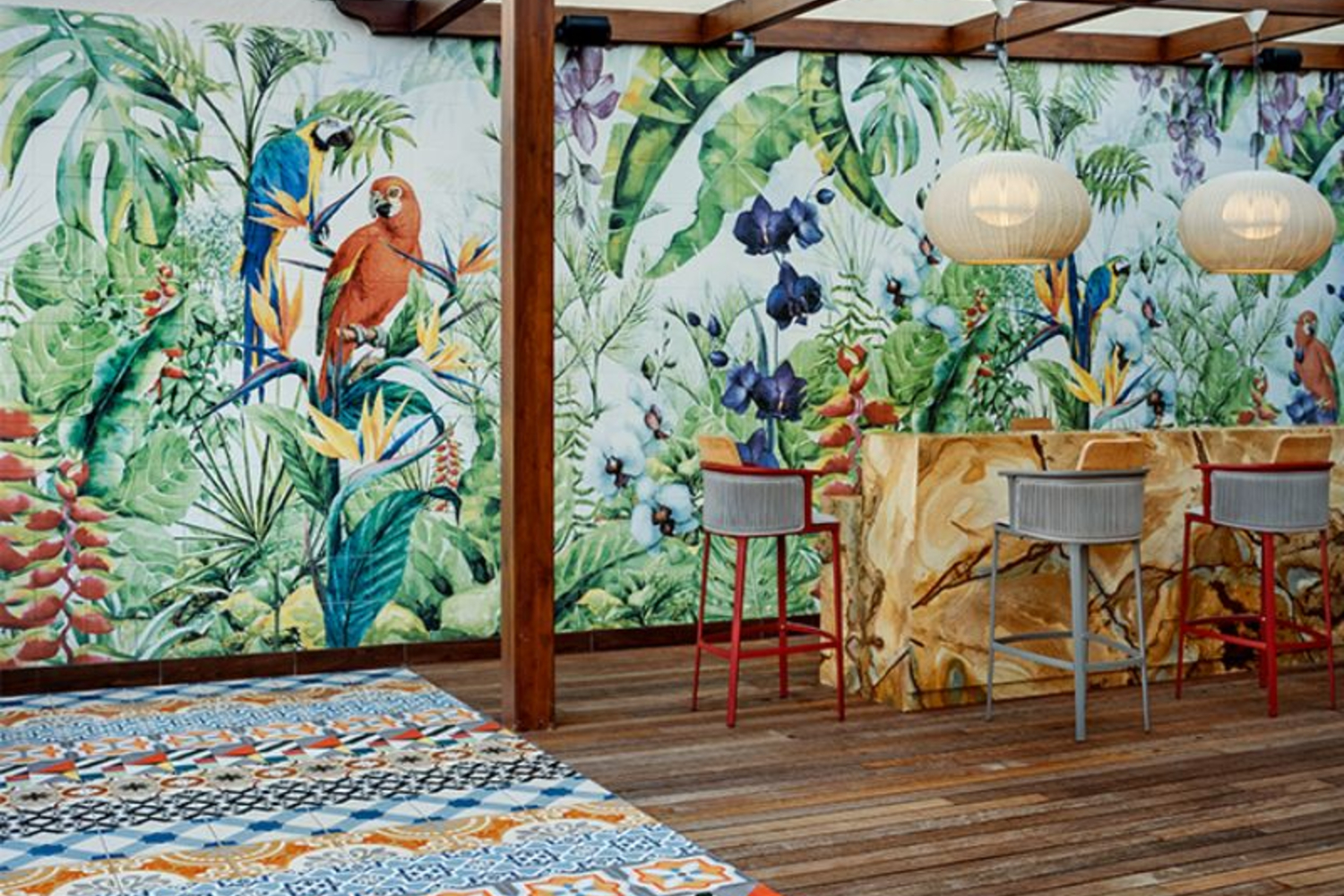
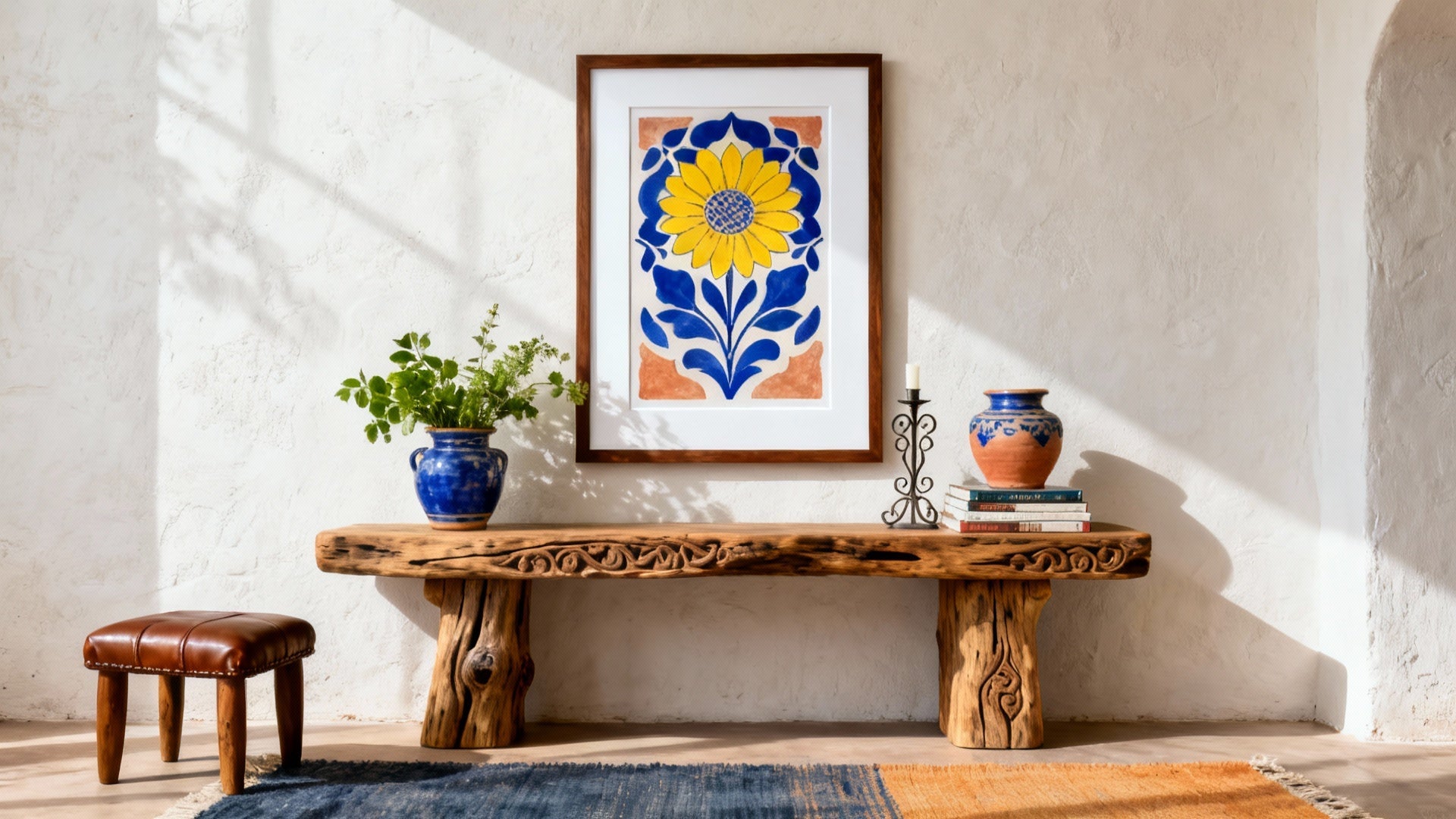
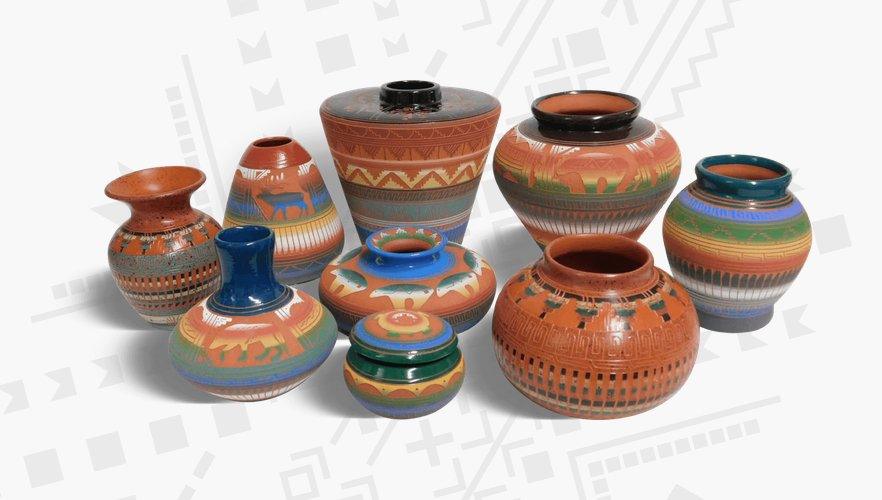
Art in Guyanese homes adds personality without overwhelming simplicity. Indigenous crafts take center stage — intricate basketry from ite palm, black pottery, wood carvings, beadwork, and feather art from Amerindian communities. These pieces bring symbolic meaning, geometric patterns, and stories of the land.
African and Indian influences appear in vibrant textiles, colorful paintings of local landscapes (Kaieteur Falls, rainforests, wildlife), and devotional items. Nature-inspired art — macaws, jaguars, orchids, or abstract interpretations of rivers and savannas — is common. Homeowners often display family photos, musical instruments (drums, sitars), and collected objects from travels or markets, creating eclectic yet cohesive spaces.
Plants blur boundaries: ferns, palms, crotons, and orchids thrive indoors and on verandas, reinforcing the connection to Guyana’s exceptional biodiversity.
Influential Figures and Contemporary Directions
While Guyana’s architectural heritage is strongly vernacular, figures like Albert Rodrigues advanced mid-20th-century design with climate-responsive, comfortable buildings. Today, architects and designers increasingly blend tradition with sustainability — using local timber responsibly, incorporating solar power, and reviving Amerindian building techniques in modern contexts. Community-driven projects and eco-tourism lodges showcase innovative fusions of craft and contemporary needs.
Creating a Guyanese-Inspired Home
You can adapt this welcoming style anywhere:
- Base Structure — Elevated feel (platform or raised flooring), high ceilings, and good airflow.
- Palette — Crisp whites, soft pastels, or warm earth tones accented with bright Caribbean colors.
- Key Materials — Wood floors or tiles, bamboo or rattan accents, natural textiles.
- Furniture — Simple wooden pieces, wicker, oversized sofas, and hammocks or daybeds.
- Art & Objects — Indigenous-style baskets, pottery, nature paintings, and personal collections.
- Outdoor Connection — Veranda or balcony living with comfortable seating and plants.
- Finishing Touches — Ceiling fans, layered rugs, and abundant natural light.
Kitchens focus on practicality and socializing with open shelving and colorful tableware. Bedrooms prioritize comfort with mosquito netting (or modern equivalents) and light fabrics. Living areas encourage gathering with flexible seating.
Why Guyanese Style Resonates Today
Guyanese homes offer a refreshing antidote to over-designed spaces. They prioritize comfort, community, and connection to nature in a practical, climate-adapted way. In an era of environmental awareness, their use of local materials, passive cooling, and flood-resilient design feels prescient. Culturally, they celebrate diversity — a microcosm of Guyana’s multi-ethnic society — without pretension.
These interiors feel inviting because they are honest: wood that ages gracefully, colors that lift the spirit, art that tells personal and collective stories. They embody conviviality — spaces made for lime (hanging out), family meals, music, and storytelling.
From a brightly painted wooden house in Georgetown with its iconic veranda to a rainforest stilt home open to the canopy or a savanna ranch embracing wide-open skies, Guyanese homes celebrate life simply and warmly. They remind us that the best interiors don’t just look good — they shelter, connect, and let the spirit of a place shine through.
