
Ecuadorian Homes: Where Traditional Craftsmanship Embraces Modern Influences
Homes in Ecuador often combine traditional craftsmanship with modern influences. Art reflecting nature, heritage, and local culture enhances interiors that feel inviting, expressive, and closely tied to their surroundings. This distinctive style emerges from one of the world’s most biodiverse and geographically dramatic countries — a place where the Andes pierce the clouds, the Amazon pulses with life, the Pacific coast offers rhythmic waves, and the Galápagos Islands inspire wonder. Ecuadorian interiors honor this diversity through honest materials, thoughtful proportions, and a profound dialogue between past and present.
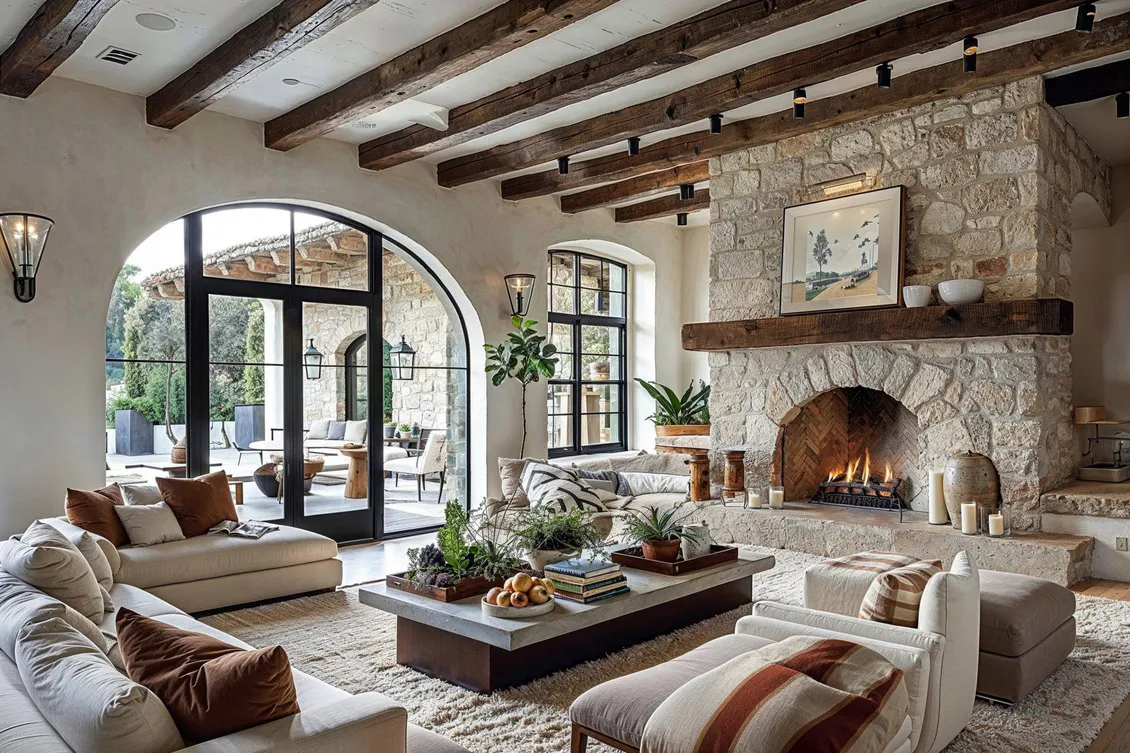
Historical and Cultural Foundations
Ecuador’s domestic architecture weaves together indigenous knowledge, colonial elegance, and 21st-century innovation. Pre-Columbian groups such as the Cañari and Quitu built with rammed earth, adobe, and stone, creating structures resilient to earthquakes and altitude. Spanish colonizers added central patios (patios centrales), thick walls for thermal regulation, arched doorways, and ornate wooden details, especially in Quito’s historic center — a UNESCO World Heritage Site since 1978.
In the modern era, architects have reinterpreted these traditions. Seismic concerns, varying climates (from chilly highlands to humid lowlands), and abundant local resources shape pragmatic yet poetic designs. Today’s homes emphasize biophilic principles — bringing nature indoors — while supporting local artisans and sustainable practices.
Regional Diversity in Ecuadorian Homes
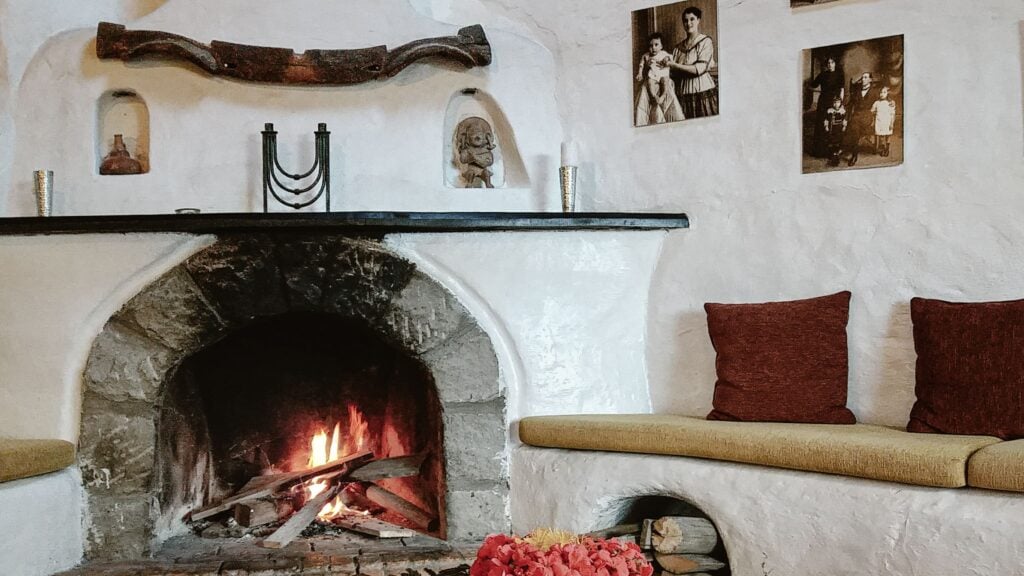
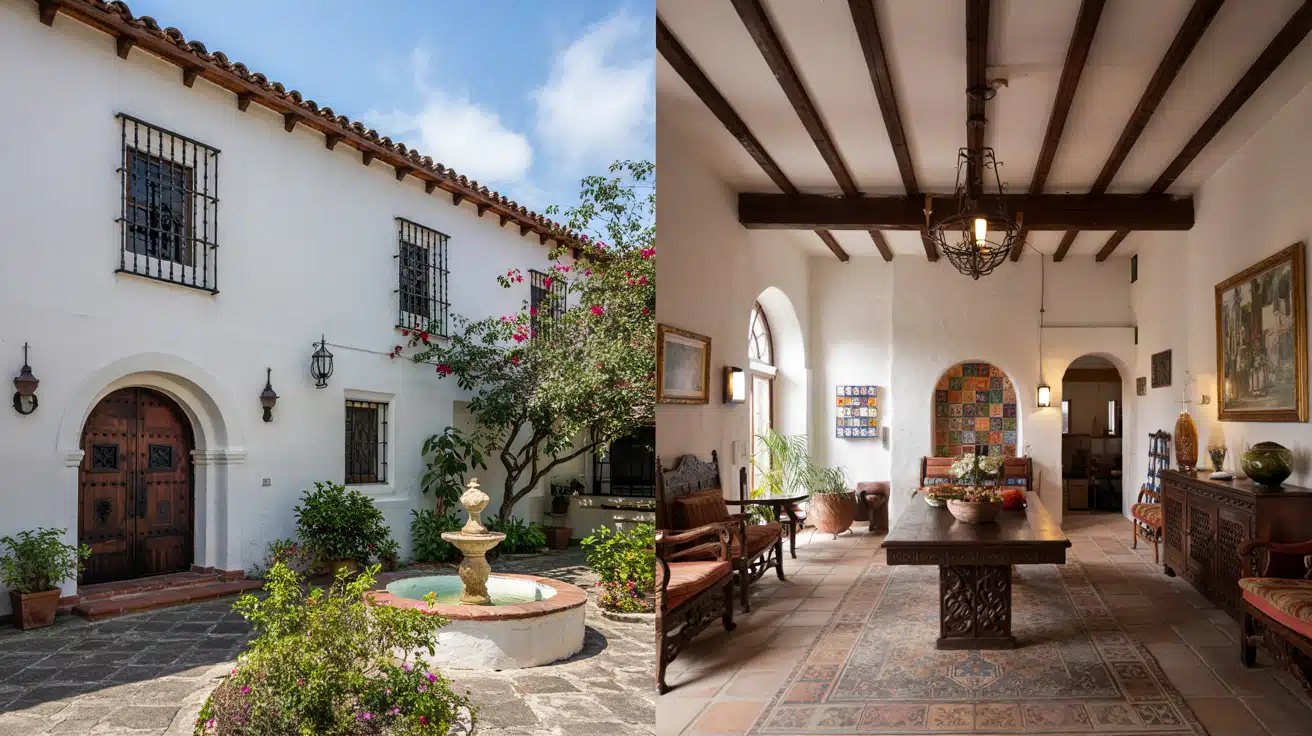
The Andean Highlands (Sierra): Around Quito, Cuenca, and Riobamba, homes feel grounded and warm. Colonial casonas boast whitewashed adobe walls, wooden beams, terracotta floors, and lush internal courtyards with fountains and flowering plants. Interiors layer handwoven textiles from Otavalo markets, dark wood furniture, and fireplaces for cool evenings. Modern interpretations — such as homes in the Cumbayá Valley — use volcanic stone, exposed concrete, and large glass planes to frame dramatic mountain views while retaining traditional warmth.
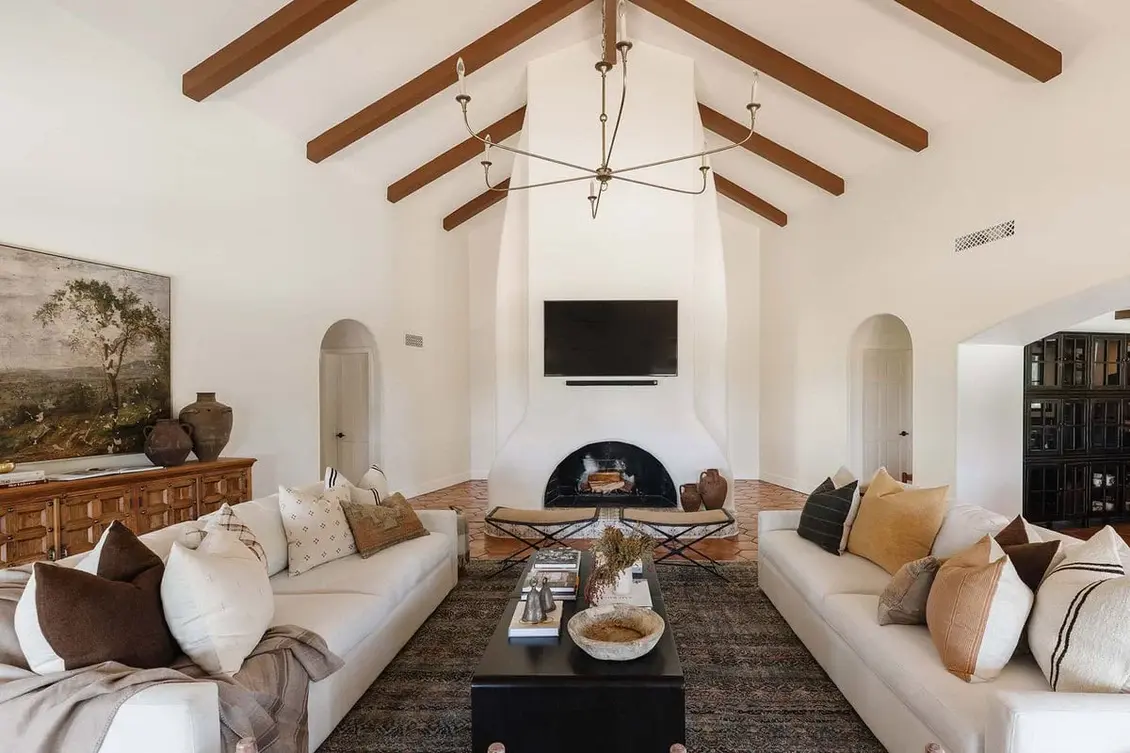
Pacific Coast (Costa): In Guayaquil, Esmeraldas, and Manabí, ventilation and lightness rule. Traditional palafitos (stilt houses) and contemporary coastal retreats employ guadua bamboo — known as “vegetal steel” — for structure, walls, and shading. Interiors are bright and breezy with rattan and wicker furniture, hammocks, colorful tiles, and open plans that embrace sea breezes. Bold accents in turquoise, coral, and yellow reflect the lively coastal spirit.
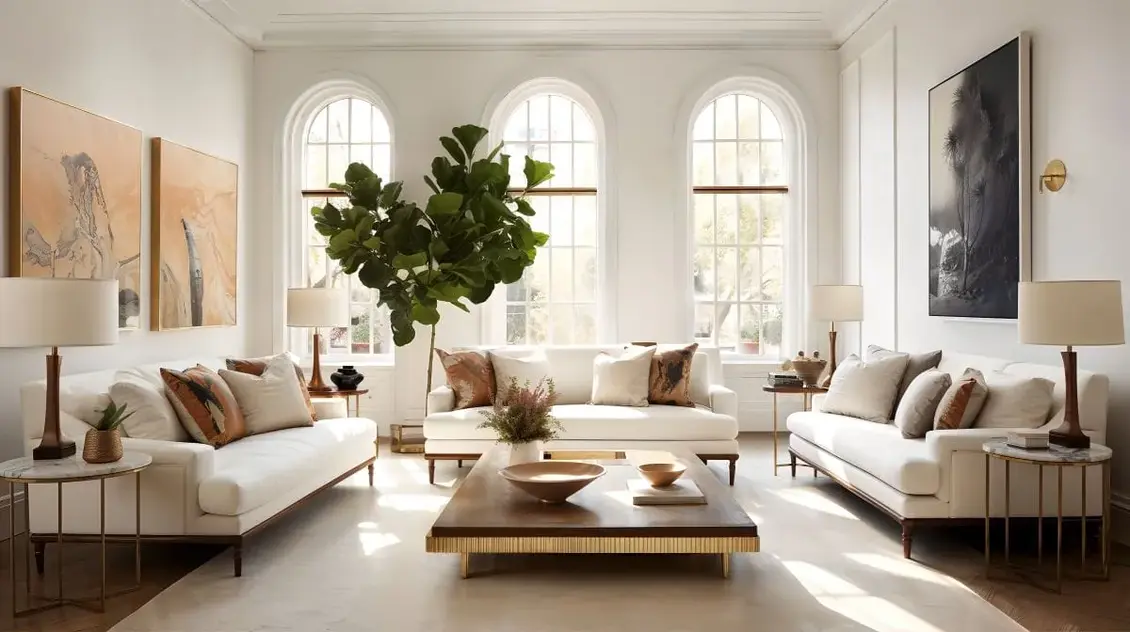
Amazon Rainforest (Oriente): Indigenous communities and eco-lodges inspire open, elevated structures with thatched roofs and bamboo or wood platforms. These homes prioritize airflow, flood resistance, and minimal environmental impact. Interiors showcase handcrafted pottery, woven baskets, beadwork, and symbolic art from Kichwa, Shuar, or Achuar traditions. Modern versions blend sustainable luxury with deep respect for the forest.

Galápagos Islands: Homes remain understated to protect fragile ecosystems. Simple wooden or concrete structures with passive cooling and rainwater systems let the extraordinary landscape dominate. Interiors favor neutral tones, natural textures, and art inspired by endemic species.
Materials and Living Craftsmanship
Ecuadorian homes celebrate what the land provides:
- Adobe, Rammed Earth & Stone — Excellent for temperature regulation in the highlands.
- Guadua Bamboo — Fast-growing, strong, and flexible; used structurally and decoratively across regions.
- Native Woods — Cedar, walnut, and teak for beams, floors, and furniture.
- Textiles — Intricate weavings from Otavalo and Saraguro with geometric patterns symbolizing nature and heritage.
- Ceramics & Tagua — Iconic black pottery from Cuenca and carvings from vegetable ivory.
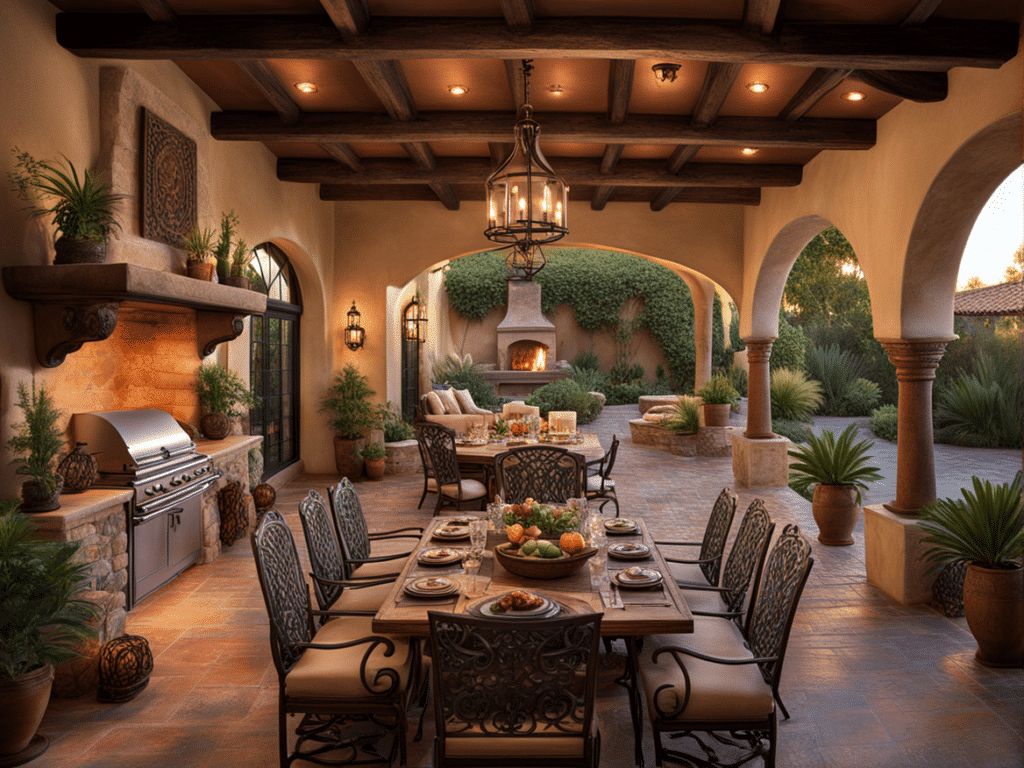
Artisans remain central. Many homeowners commission custom pieces, preserving skills while infusing spaces with personal meaning. Sustainability is inherent: local sourcing reduces transport, and designs adapt to climate rather than fighting it.
Art, Nature, and Cultural Expression
Art in Ecuadorian homes tells stories of place. Landscape paintings capture Andean volcanoes or misty cloud forests. Indigenous motifs — condors, llamas, sacred geometry — appear in textiles and carvings. Contemporary works blend these with abstraction, while collected objects (Panama hats actually made in Ecuador, family ceramics, travel finds) add layers of memory.
Plants are non-negotiable: orchids, ferns, monstera, and bromeliads create living architecture. Large windows, sliding doors, and patios blur boundaries, making nature a constant companion. Lighting mixes natural daylight with warm, woven pendants and candles for intimate evenings.
Influential Architects and Designers
Ecuador produces globally respected talent:
- Felipe Escudero: Poetic modernism with curving concrete forms and sensory-rich spaces that dialogue with landscape.
- Natura Futura Arquitectura: Bamboo innovators elevating vernacular techniques through community projects.
- Al Borde: Experimental, low-cost designs rethinking local archetypes.
- Diez + Muller, Daniel Moreno Flores, and others: Focus on contextual, sustainable, and collectively built homes.
Recent projects like Hidden Stone House, Cumbaya House, and community-built earth-and-thatch clusters demonstrate ongoing innovation rooted in territory.
Designing an Ecuadorian-Inspired Home Anywhere
Capture this essence regardless of location:
- Foundation Palette — Warm whites, earthy beiges, terracotta reds, and forest greens, with vibrant cultural accents.
- Key Materials — Exposed wood beams, stone or brick accents, bamboo or rattan elements.
- Textiles & Layers — Patterned cushions, throws, and rugs mixing stripes, geometrics, and florals.
- Art & Objects — Large nature-inspired artwork, ceramics, woven baskets, and tagua carvings.
- Connection to Outdoors — Maximize light and views; create a patio, balcony, or indoor garden.
- Furniture — Mix colonial-style dark wood with clean modern lines and handmade pieces.
- Details — Woven lighting, abundant plants, and tactile surfaces for warmth.
Kitchens become social hubs with open shelving displaying pottery. Bedrooms feel serene with wooden beds and rich, layered bedding. Living areas invite gathering around fireplaces or open plans.
Timeless Appeal in a Changing World
Ecuadorian homes model resilient, meaningful living. They withstand earthquakes through flexible materials and smart engineering. They support local economies by valuing craft. Most importantly, they foster connection — to family, community, culture, and the extraordinary natural world that defines the country.
These spaces feel inviting because they are authentic: warm textures against cool stone, vibrant patterns softening minimalist lines, art that sparks stories. They embody sumak kawsay (good living) — harmony with nature and each other.
From a sun-drenched colonial casona in Quito’s historic center to a bamboo pavilion rising above the Pacific or a rainforest home woven into the canopy, Ecuadorian houses celebrate life in all its diversity. They remind us that the best homes don’t just shelter us — they root us, inspire us, and connect us to something greater.
