Congolese Homes: Bold Sculpture, Expressive Power, and Cultural Pride
The Democratic Republic of the Congo is internationally recognized for its powerful artistic legacy. Bold sculpture, expressive painting, and innovative contemporary art influence interiors through statement pieces that convey identity, movement, and a strong sense of cultural pride. This dynamic aesthetic emerges from one of Africa’s largest and most culturally diverse nations — home to over 200 ethnic groups, including the Kongo, Luba, Kuba, Chokwe, and Pende peoples. Spanning vast rainforests, mighty rivers, and savannas, Congolese homes blend ancestral traditions with resilient modernity, creating interiors where powerful sculptural forms meet warm textiles and vibrant storytelling. From bustling Kinshasa to remote villages in the Kivus or the equatorial forests, these spaces celebrate creativity as an essential part of life.
Historical and Cultural Foundations
Congolese domestic design is rooted in ancient kingdoms and decentralized societies. The Kingdom of Kongo (14th–19th centuries) produced refined court arts, including carved ivories and textiles. In the central savannas, Luba and Songye peoples developed powerful sculptural traditions tied to leadership and spiritual protection. Kuba kings in the Kasai region commissioned elaborate raffia textiles and embroidered prestige cloths that remain iconic today.
Traditional architecture featured circular or rectangular mud-and-thatch compounds arranged around courtyards for communal living. Belgian colonial rule introduced urban brick and concrete forms, especially in Kinshasa and Lubumbashi, but rural practices stayed largely vernacular. Post-independence (1960) and through decades of challenge, art has served as both resistance and celebration. Today, Congolese homes fuse strong sculptural heritage with practical contemporary needs, using local materials and global influences while maintaining deep cultural roots.
Regional Variations
Kinshasa and Urban West: The vibrant capital blends high-rise apartments with courtyard homes. Interiors feature high ceilings, large windows, and open plans for airflow. White or warm-toned walls provide backdrops for bold paintings, Kuba cloths, and contemporary sculptures. Balconies and small gardens extend living space.
Kasai and Central Regions (Kuba Heartland): Homes showcase the renowned Kuba textile tradition. Interiors layer embroidered raffia cloths as wall hangings or upholstery, paired with carved wooden stools and masks. Earthy reds, blacks, and golds create rich, prestigious atmospheres.
Eastern DRC and Great Lakes: Luba and related groups emphasize refined ancestor figures and ceremonial objects. Homes in the Kivus often feature carved doors and powerful sculptures. Interiors feel grounded with wooden furniture and meaningful collections.
Northern and Rainforest Areas: Mangbetu and other groups are known for elongated figurative sculptures and pottery. Traditional homes use forest materials with thatched roofs. Interiors remain organic, with bark cloth and carved elements.
Katanga and Southern Regions: Copper-rich areas blend industrial influences with strong sculptural traditions. Homes often display metalwork alongside textiles and paintings.
Materials and Masterful Craftsmanship
Congolese homes celebrate tactile, symbolically rich materials:
- Wood: Ebony, iroko, and other hardwoods for powerful masks, figures, stools, and doors. Carving techniques convey status, protection, or ancestry.
- Textiles: Kuba raffia cloth with geometric embroidery, printed pagne, and vibrant wax prints.
- Earth and Thatch: Mud plaster and natural fibers for traditional cooling and breathability.
- Metalwork: Copper, brass, and forged iron for decorative and functional objects.
- Beadwork and Ivory: Intricate beading and (historically) carved ivory elements.
- Contemporary Additions: Recycled materials and sustainable woods in modern pieces.
Artisan communities across the country keep these traditions vibrant, often collaborating on custom furniture and décor.
Art as Statement and Cultural Pride
Art in Congolese homes is bold and meaningful. A single large mask or power figure commands attention, while Kuba textiles add rhythmic patterns and texture. Contemporary artists like Chéri Samba, Bodys Isek Kingelez, or younger talents reinterpret traditional forms in painting, installation, and mixed media, addressing identity, politics, urbanization, and global connections.
Homes often feature curated collections — ancestor figures, ceremonial masks, vibrant paintings, and personal objects — creating dynamic visual narratives. Natural light, strategic placement, and abundant greenery enhance the energetic yet warm atmosphere.
Influential Designers and Contemporary Vision
Congolese creativity thrives despite challenges. Designers draw on sculptural heritage while incorporating modern comfort and sustainability. Interior approaches favor “Afro-contemporary” style — strong statement pieces balanced with soft textiles and thoughtful curation. Many projects support local artisans, ensuring cultural continuity and economic empowerment. The result is powerful, authentic design that resonates globally.
Creating a Congolese-Inspired Home
Channel this bold yet welcoming energy:
- Palette — Earthy bases (terracotta, deep brown, warm gray) with vibrant textile accents.
- Sculptural Statements — Feature one or two powerful masks, figures, or carved stools.
- Textiles — Layer Kuba-style cloths, printed fabrics, and embroidered pieces.
- Furniture — Mix carved wooden pieces with comfortable modern seating.
- Art Collections — Display paintings, beadwork, and meaningful objects.
- Flow — Open or semi-open plans for community and movement.
- Lighting & Nature — Warm layered lighting and abundant plants.
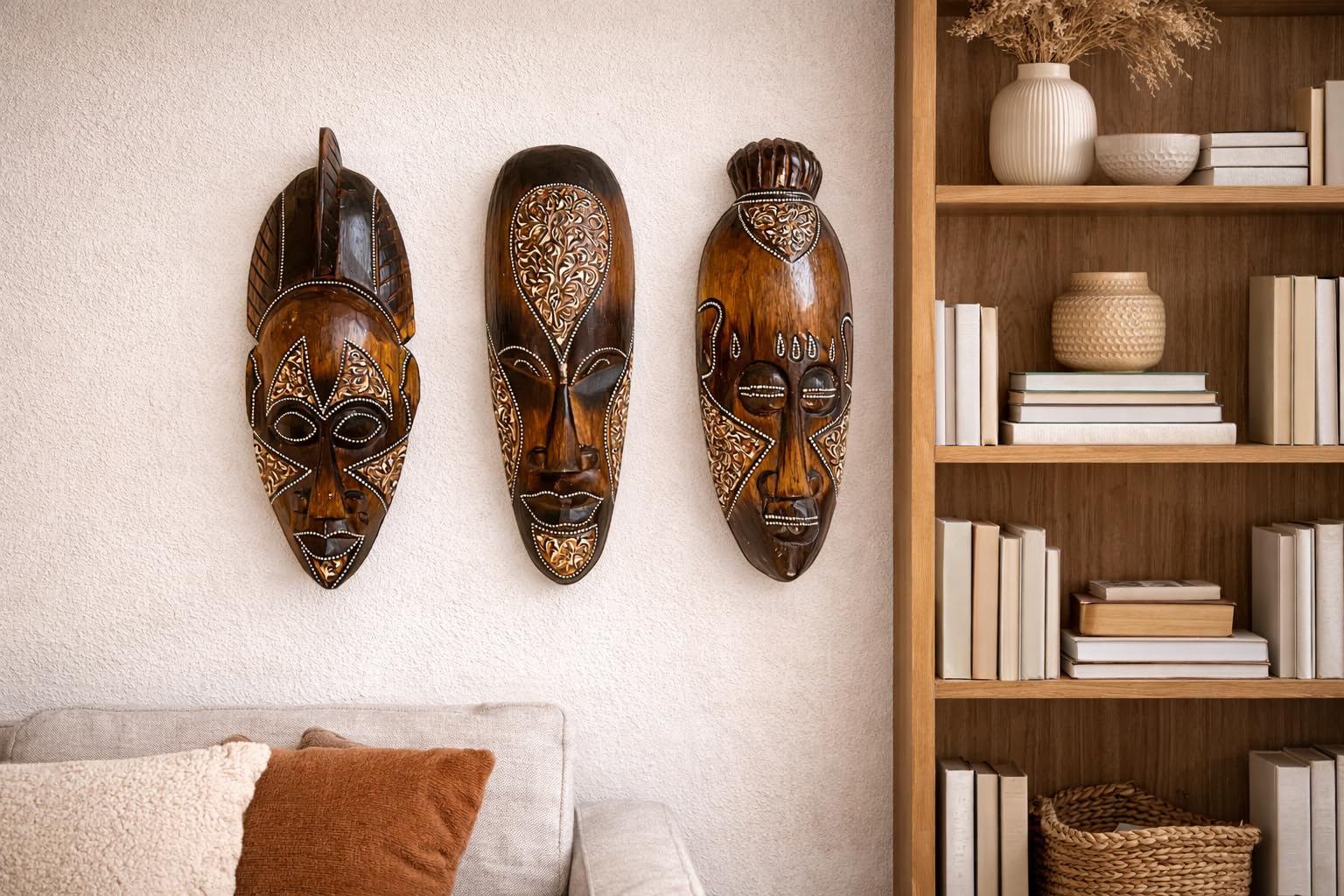
Kitchens become social hubs with open shelving displaying pottery. Bedrooms feel personal with patterned bedding and symbolic art. Living areas invite lively conversation through bold, comfortable arrangements.
The Enduring Power of Congolese Style
Congolese homes embody resilience, creativity, and cultural pride. They transform challenging contexts into vibrant expressions of identity, where art serves both spiritual and everyday roles. In these spaces, bold sculpture meets warm textiles, and powerful forms create welcoming environments.
From a Kinshasa apartment where contemporary paintings dialogue with traditional masks, to a Kuba village home rich with embroidered raffia, or a rainforest dwelling alive with carved wood and forest spirit, Congolese interiors pulse with life, movement, and pride. They remind us that true beauty arises from cultural depth, artistic courage, and the strength to celebrate heritage in daily living
