Côte d’Ivoire Homes: Expressive Sculpture, Mask Traditions, and Dynamic Cultural Storytelling
Côte d’Ivoire is known for its influential sculptural and mask traditions. These artistic forms translate into interior spaces through expressive décor, hand-carved pieces, and dynamic compositions that bring cultural storytelling and visual strength into the home. This powerful and elegant aesthetic emerges from one of West Africa’s most diverse and artistically vibrant nations. With over 60 ethnic groups — including the Baoulé, Senufo, Dan (Yacouba), Guéré, Bété, and Akan peoples — Ivorian homes blend ancient ritual forms with contemporary African sophistication. From the bustling economic capital Abidjan to the sacred forests of the west, the savannas of the north, and the cocoa-rich central regions, these interiors radiate strength, rhythm, and cultural pride while remaining warm, livable, and deeply connected to community and heritage.
Historical and Cultural Foundations
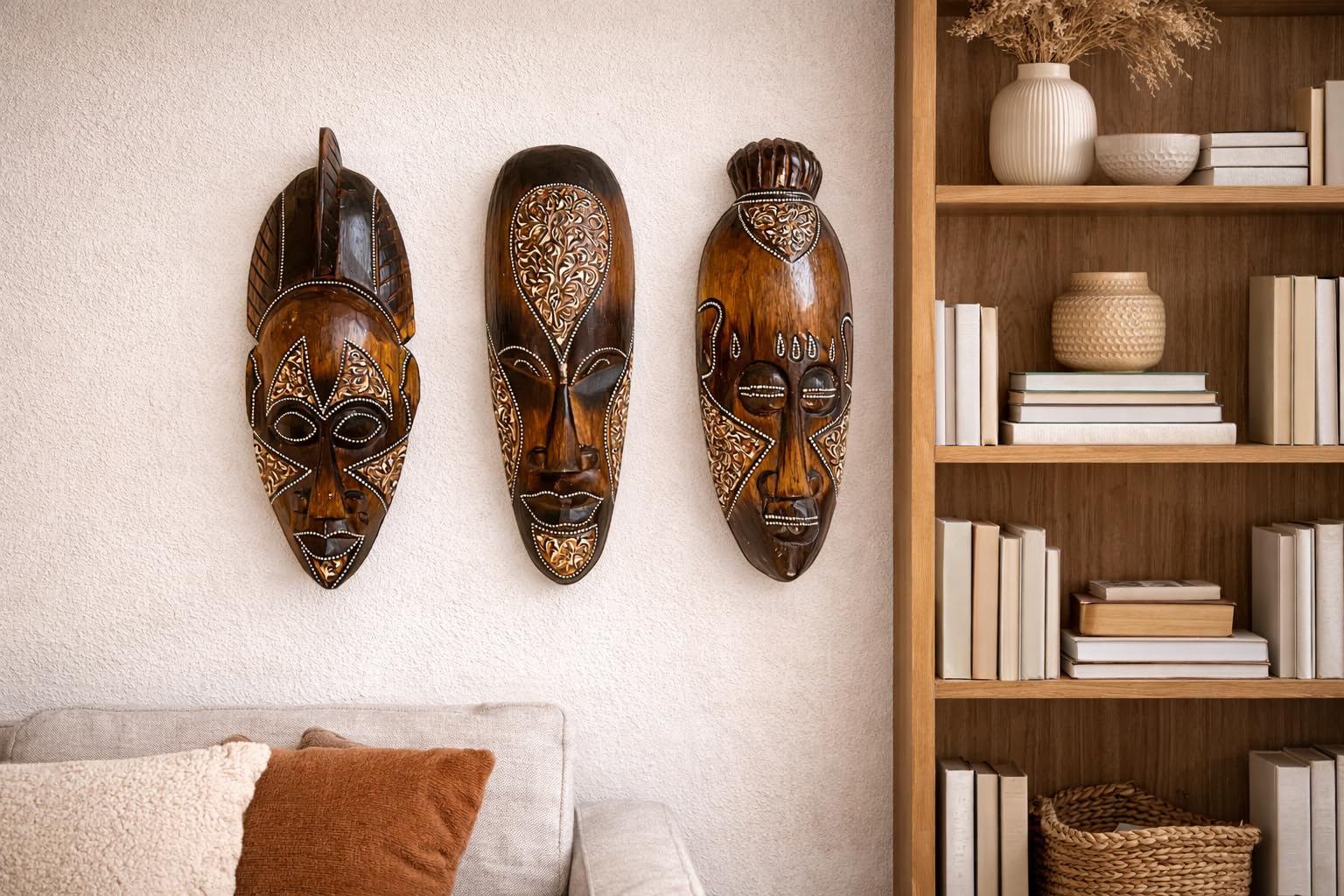
Ivorian domestic design is deeply rooted in pre-colonial kingdoms and sophisticated decentralized societies. The Baoulé, who migrated from present-day Ghana in the 18th century, developed refined court arts, symbolic sculpture, and a strong aesthetic tradition tied to leadership and spiritual balance. The Senufo in the north are renowned for their powerful poro society masks and rhythmic geometric art used in initiation and social regulation. The Dan and Guéré peoples of the west created some of Africa’s most expressive and abstract masks, often featuring exaggerated features that convey movement, emotion, and supernatural power.
Traditional architecture consisted of family compounds with rectangular or circular mud-and-thatch structures arranged around central courtyards. Carved wooden posts, doors, and pillars served both structural and symbolic roles, often depicting ancestors, animals, or proverbs. French colonial rule (1893–1960) introduced Creole-style villas with verandas, wrought-iron balconies, and pastel colors, particularly in Abidjan, Grand-Bassam, and Bingerville.
After independence in 1960 under President Félix Houphouët-Boigny, Côte d’Ivoire experienced an economic miracle and strong cultural patronage. Art schools flourished, and traditional crafts were elevated as national treasures. Today, Ivorian homes masterfully fuse ancestral sculptural power with modern comfort, sustainability, and global influences while preserving deep cultural storytelling.
Regional Variations
Abidjan and the South (Ébrié Lagoon): The economic powerhouse features modern high-rises, luxurious lagoon-front villas, and courtyard homes. Interiors are light-filled with high ceilings, expansive glass, and open plans that maximize breezes. Neutral or softly colored walls act as dramatic canvases for Baoulé sculptures, large contemporary paintings, and vibrant textiles. Rooftop terraces and verandas overlooking the lagoon create seamless indoor-outdoor living.
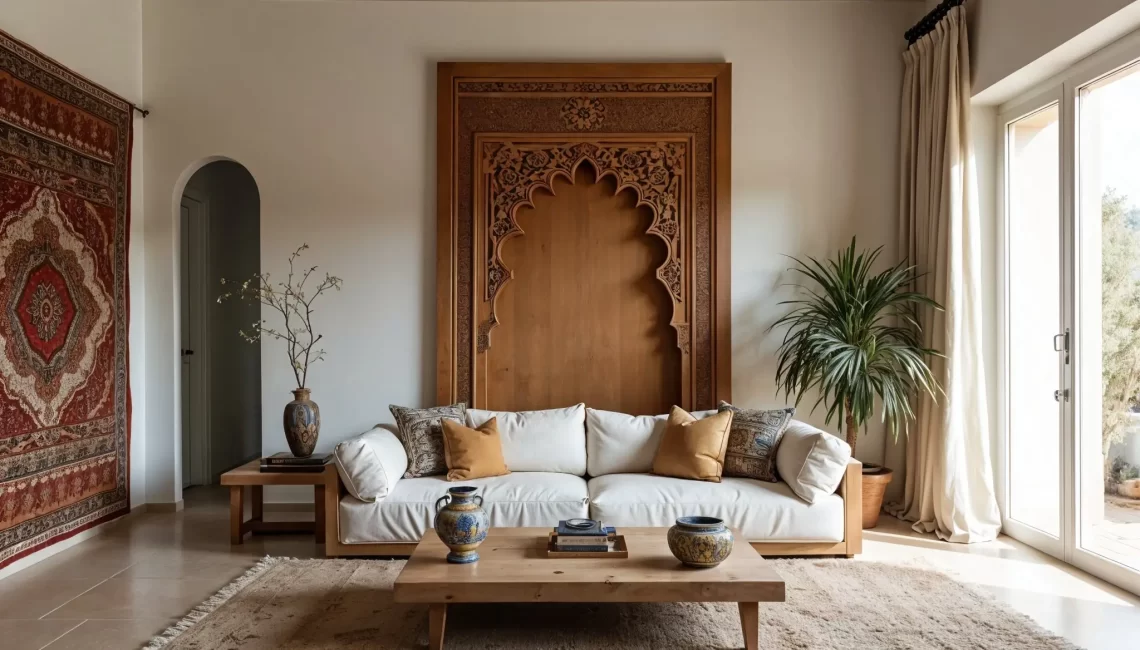
Yamoussoukro and Central Regions: The official capital, famous for the Basilica of Our Lady of Peace, showcases Baoulé heritage in spacious compounds and modern residences. Homes often feature carved wooden elements, lush gardens, and royal-inspired stools. Interiors balance grandeur with everyday warmth through rich textiles and meaningful collections.
Northern Senufo Lands (Korhogo, Boundiali): Senufo culture dominates with striking poro masks and geometric rhythm pounders. Traditional homes use earthen walls and thatched roofs. Interiors feel grounded and spiritual, featuring large masks, carved doors, woven mats, and earth-toned palettes that evoke the savanna landscape.
Western Dan and Guéré Regions (Man, Danané): Renowned for dynamic, expressive masks with exaggerated features. Homes integrate carved architectural details. Interiors are energetic, with dramatic wooden sculptures, raffia elements, and bold color accents that capture the spirit of performance and ritual.
Eastern Akan and Coastal Areas: Akan influences bring colorful compounds and refined craftsmanship. Coastal homes emphasize light, ventilation, and connection to the sea, incorporating carved paddles, shells, and maritime-inspired décor alongside traditional textiles.
Materials and Masterful Craftsmanship
Ivorian homes celebrate high-quality, symbolically rich materials shaped by generations of artisans:
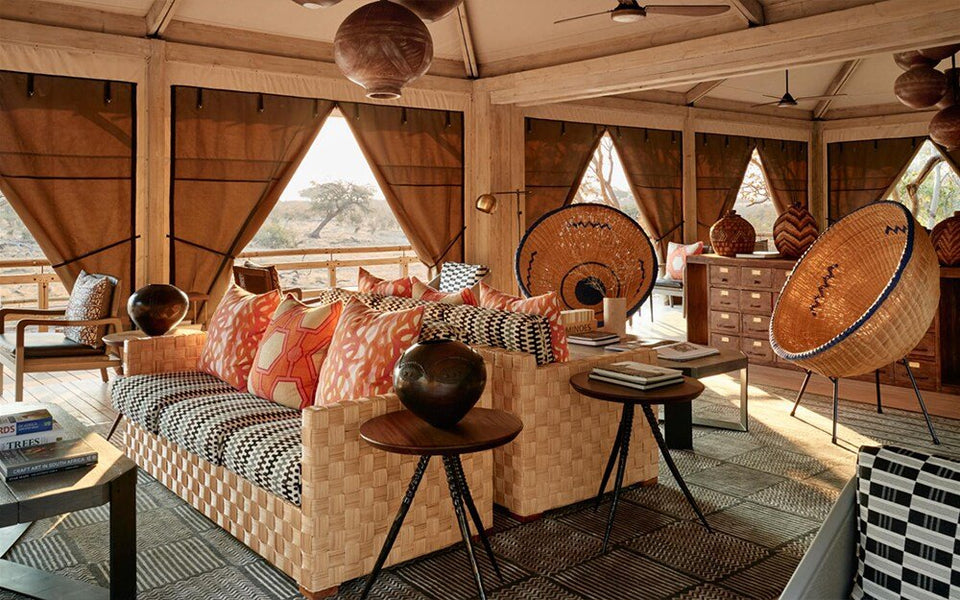
- Wood: Ebony, iroko, limba, and other premium hardwoods for masterful carving. Masks, stools (ngblen), doors, and figures are often blackened, polychromed, or left in natural tones.
- Textiles: Handwoven Baoulé and Senufo cloths, printed pagne with symbolic messages, and embroidered fabrics.
- Earth and Thatch: Traditional banco plaster and natural fibers for excellent thermal regulation and organic beauty.
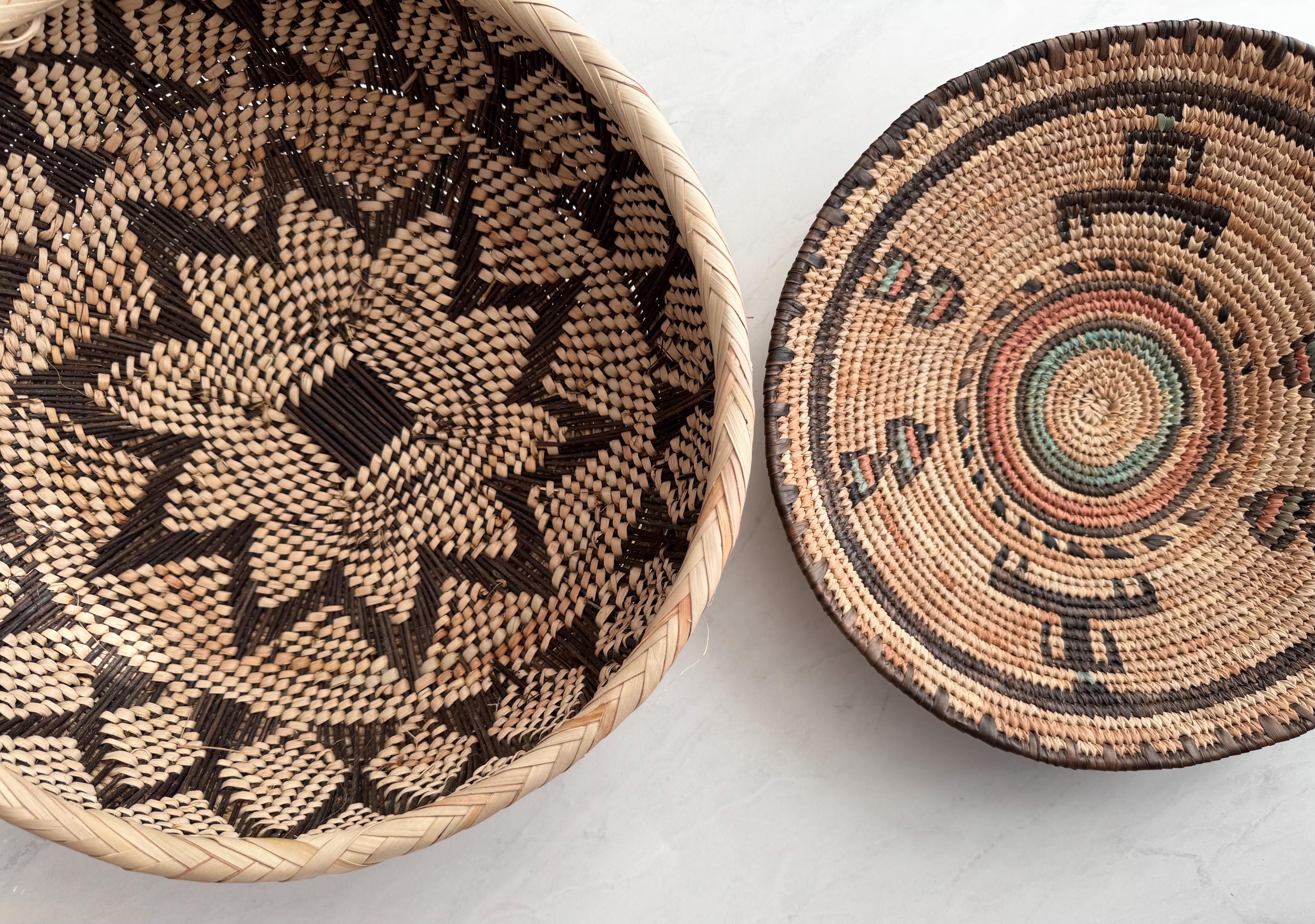
- Raffia and Fiber: Woven into intricate mats, wall hangings, and ceremonial pieces.
- Metal and Beadwork: Brass castings and intricate beadwork that add metallic shine and cultural depth.
- Contemporary Innovations: Responsibly sourced woods, recycled metals, and sustainable finishes.
Many families maintain relationships with village artisans, commissioning custom pieces that carry both aesthetic and spiritual significance.
Art, Symbolism, and Visual Strength
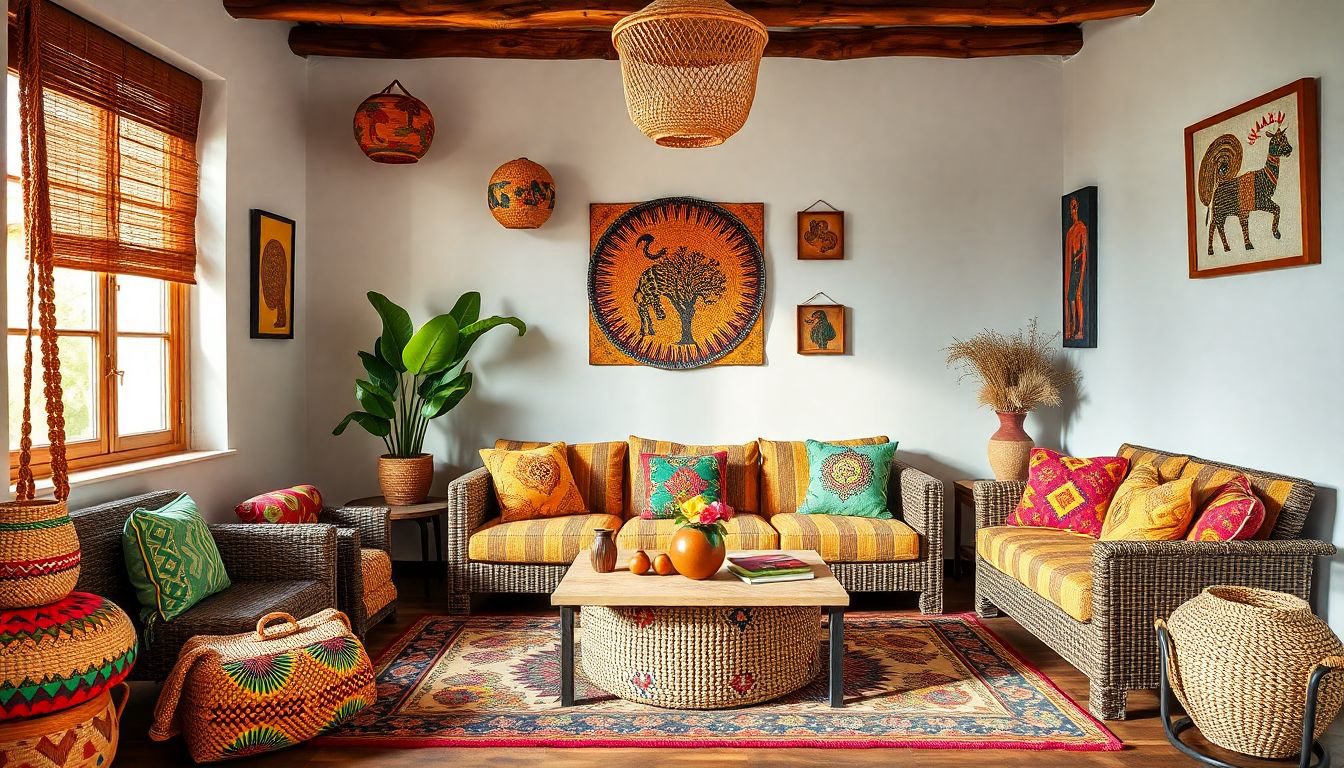
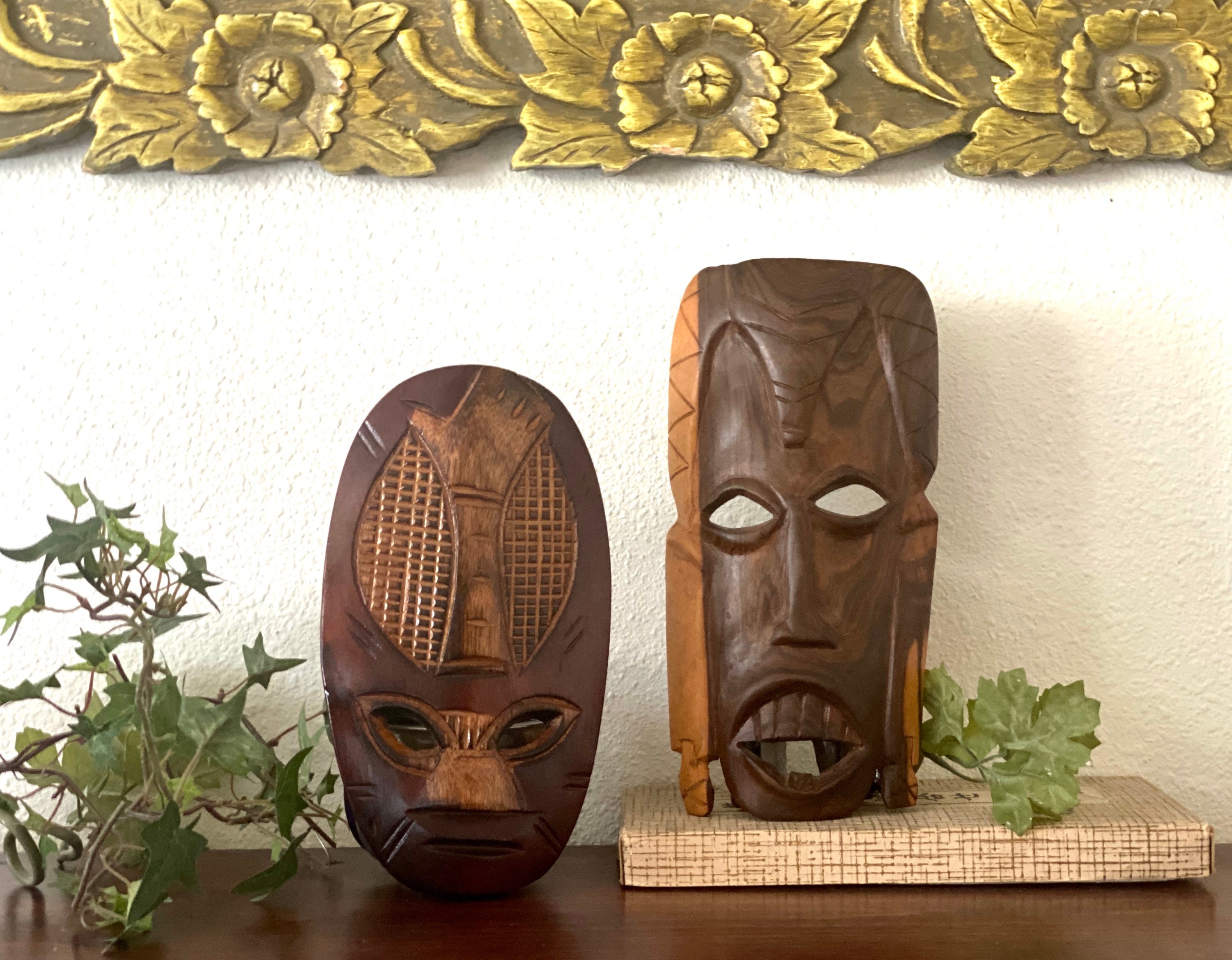
Art in Ivorian homes is bold, narrative, and alive with meaning. A single large Dan or Guéré mask can dominate a living room with its expressive power and sense of movement. Baoulé blolo bian (spirit spouse) figures and Senufo rhythm pounders add sculptural presence and spiritual depth. Kente-inspired or locally woven textiles bring vibrant color, intricate patterns, and layered symbolism.
Contemporary Ivorian artists have gained international acclaim by reinterpreting these traditions. Works explore identity, urbanization, environmental issues, and the African diaspora. Homes often feature thoughtful collections that mix ancestral objects with modern paintings, creating dynamic visual conversations. Natural light streaming through carved shutters, combined with strategic placement and abundant greenery, turns interiors into living galleries full of cultural strength and storytelling.
Influential Designers and Contemporary Vision
Côte d’Ivoire has one of West Africa’s most dynamic design scenes. Architects and interior designers skillfully fuse traditional carving, raffia work, and symbolic forms with clean contemporary lines and sustainable practices. Many projects feature open, light-filled spaces enriched by statement sculptures and vibrant textiles. Collaborations with local artisans ensure cultural authenticity while creating furniture, lighting, and décor collections that are exported worldwide. The result is sophisticated Afro-contemporary design that feels both deeply rooted and confidently modern.
Creating a Côte d’Ivoire-Inspired Home
Bring this expressive strength and warmth into any space:
- Palette — Warm earth tones (terracotta, deep brown, ochre) with bold accents of gold, red, black, and white drawn from traditional textiles.
- Sculptural Impact — Feature one or two powerful masks, carved figures, or stools as commanding focal points.
- Textiles — Layer woven and printed fabrics as curtains, throws, rugs, and wall hangings for rhythm and color.
- Furniture — Mix hand-carved wooden pieces with comfortable modern seating arranged to encourage conversation and movement.
- Symbolic Details — Beadwork, brass accents, and curated collections that tell personal and cultural stories.
- Flow & Light — Open plans, large windows, and soft layered lighting to highlight textures and forms.
- Nature Connection — Abundant plants and natural materials that echo the forests and savannas of Côte d’Ivoire.
Kitchens become vibrant social hubs with open shelving displaying pottery and carvings. Bedrooms feel personal and protective with patterned bedding and symbolic art. Living areas invite music, dance, and storytelling through bold, dynamic arrangements.
The Enduring Power of Ivorian Style
Côte d’Ivoire homes master the art of cultural confidence. They transform ancestral sculptural traditions into living, breathing environments where form, rhythm, and symbolism create spaces of both visual strength and human warmth. In these interiors, every carved mask tells a story, every textile carries wisdom, and every home becomes a proud expression of West African artistic excellence and resilience.
From a light-filled Abidjan villa where contemporary art dialogues with ancient masks overlooking the lagoon, to a Senufo compound rich with rhythm pounders and woven textiles under the savanna sky, or a forest home alive with Guéré carvings and communal energy, Ivorian interiors embody creativity, resilience, and cultural pride. They remind us that true beauty arises when heritage moves boldly into the present, when sculpture meets softness, and when a home becomes a living celebration of identity.
