
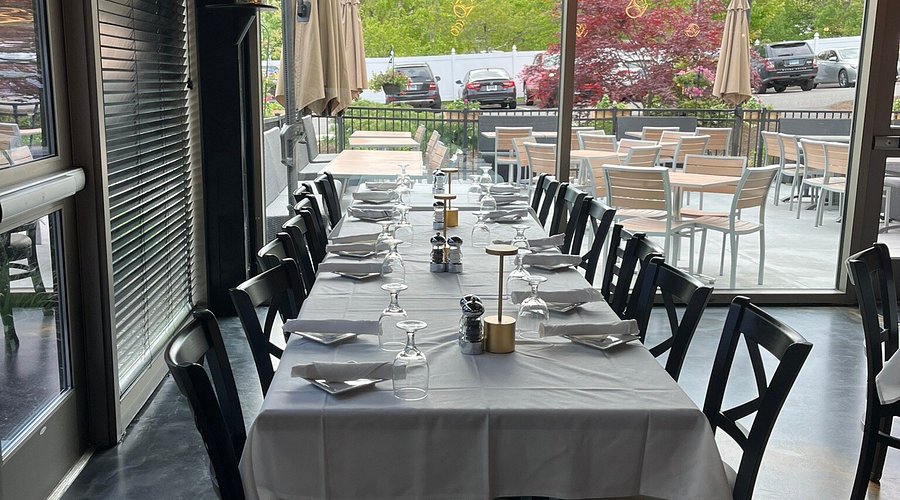
Dining out can be a delightful experience, offering the chance to savor delicious cuisines, discover new flavors, and enjoy the company of friends and family. Whether you’re a seasoned foodie or just looking for a place to grab a quick bite, this restaurant guide is here to help you navigate the diverse culinary landscape. From casual eateries to upscale dining establishments, we’ll provide you with tips, recommendations, and insights to make your dining experience memorable.
Litchfield Watertown Plymouth Goshen Middlebury Torrington Waterbury
We started the Dining guide in Thomaston and we will expand throughout Connecticut and beyond. Next on our list is Litchfield. We hope to have it complete by October for our print edition
Chapter 1: Types of Restaurants
1.1 Casual Eateries:
- Cafes: Cozy spots for coffee, pastries, and light meals.
- Diners: Classic, comfort food-focused establishments.
- Fast Food: Quick and convenient options for when you’re on the go.
- Food Trucks: Mobile kitchens serving diverse street food.
1.2 Ethnic Restaurants:
- Italian: Pasta, pizza, and Mediterranean-inspired dishes.
- Asian: Chinese, Japanese, Thai, Indian, and more.
- Mexican: Tacos, burritos, and spicy flavors.
- Middle Eastern: Hummus, kebabs, and exotic spices.
1.3 Fine Dining:
- Upscale Restaurants: Elegance, gourmet dishes, and attentive service.
- Michelin-Starred: Culinary excellence, innovative creations, and artful presentations.
Chapter 2: Choosing the Right Restaurant
2.1 Location Matters:
- Proximity to Your Location: Choose restaurants nearby for convenience.
- Ambiance: Consider the atmosphere, whether it’s cozy, romantic, or vibrant.
2.2 Reading Reviews:
- Online Platforms: Explore websites and apps for customer reviews and ratings.
- Social Media: Check out photos and experiences shared by others.
2.3 Dietary Preferences:
- Vegetarian and Vegan Options: Look for restaurants that cater to your dietary needs.
- Allergies and Restrictions: Ensure the menu accommodates your food allergies.
Chapter 3: Making Reservations
3.1 Peak Hours:
- Avoiding Crowds: Reserve during off-peak times for a more relaxed experience.
- Special Occasions: Plan ahead for birthdays, anniversaries, and celebrations.
3.2 Reservation Etiquette:
- Timeliness: Arrive on time to honor your reservation.
- Cancellations: Notify the restaurant if your plans change.
Chapter 4: Navigating the Menu
4.1 Exploring the Menu:
- Signature Dishes: Try the chef’s specialties for a unique experience.
- Daily Specials: Opt for the freshest ingredients and creative offerings.
4.2 Dietary Considerations:
- Customization: Ask for modifications to suit your preferences.
- Portion Sizes: Choose from appetizers, entrees, and sharing plates.
Chapter 5: Etiquette and Enjoyment
5.1 Table Manners:
- Utensil Usage: Follow basic dining etiquette for forks, knives, and spoons.
- Napkin Etiquette: Place it on your lap during the meal.
5.2 Interaction with Staff:
- Politeness: Treat servers with respect and courtesy.
- Questions: Don’t hesitate to ask about ingredients or preparation methods.
5.3 Enjoying the Experience:
- Engage in Conversation: Relish the company of your dining companions.
- Slow Down: Savor each bite and enjoy the flavors.
Conclusion:
Dining out is a delightful journey that allows you to explore diverse cuisines, flavors, and culinary experiences. By using this restaurant guide, you can confidently choose the right establishment, make reservations, navigate menus, and enjoy your meal with impeccable etiquette. Whether you’re seeking a casual brunch, an ethnic feast, or an elegant fine dining experience, this guide is your companion to making every dining occasion a memorable one.
