
Comorian Homes: Light, Creole Harmony, and Indian Ocean Rhythms
Comoros blends African, Arab, and Indian Ocean influences in both art and domestic spaces. Light interiors, carved wood details, and artisanal textiles reflect island life, while local art often expresses spirituality, heritage, and the rhythms of coastal culture. This enchanting aesthetic emerges from an archipelago of four main islands (Grande Comore, Anjouan, Mohéli, and Mayotte) in the Indian Ocean, where Swahili, Arab, Malagasy, and French influences have merged into a vibrant Creole culture. Known as the “Perfume Islands” for their fragrant ylang-ylang and vanilla plantations, Comorian homes celebrate sea breezes, volcanic landscapes, and a laid-back yet spiritually rich island lifestyle. From whitewashed houses overlooking turquoise lagoons to traditional coral-stone dwellings, these interiors feel airy, colorful, and deeply connected to the ocean.
Historical and Cultural Foundations
Comorian domestic architecture reflects centuries of maritime trade and cultural exchange. Early settlements drew from Swahili coastal traditions with coral-stone construction, thatched roofs, and shaded verandas. Arab and Persian traders introduced Islamic architectural elements — ornate carved doors, geometric patterns, and courtyards for privacy and ventilation. Malagasy and African influences added vibrant textiles and symbolic wood carving.
French colonial rule (19th–20th centuries) brought Creole-style villas with wrought-iron balconies and pastel colors, particularly in Moroni and Mutsamudu. Post-independence in 1975, a strong cultural revival emphasized local identity. Today, Comorian homes blend tradition with modest modernity — solar panels on thatched roofs, improved ventilation, and sustainable local materials — while preserving the graceful fusion that defines Comorien living.
Regional Variations
Grande Comore (Ngazidja) and Moroni: The largest island and capital showcase whitewashed coral-stone houses with brightly painted shutters. Homes often feature large verandas (baraza) for socializing. Interiors are light and spacious, with high ceilings, tiled or concrete floors, and abundant natural light. Carved wooden doors and Arab-style mashrabiya screens add elegance.
Anjouan (Nzwani): Known for its lush landscapes and historic mosques, homes here blend stone and wood with intricate carved details. Interiors layer colorful kanga and leso textiles as curtains or wall hangings, creating vibrant yet serene family spaces.
Mohéli (Mwali): The smallest and greenest island features simpler, eco-friendly homes integrated into the forest and coastline. Interiors emphasize natural materials — woven palm mats, local wood, and seashell accents — reflecting a close connection to nature and marine life.
Mayotte (Maore): French overseas department with strong Creole and Comorian influences. Homes range from traditional coral constructions to modern villas. Interiors mix bright colors, carved wood, and contemporary comfort, often with stunning lagoon views.
Materials and Artisanal Craftsmanship
Comorian homes use materials perfectly suited to tropical island life:
- Coral Stone and Volcanic Rock: Traditional building blocks for durable, cool walls.
- Wood: Local teak, rosewood, and coconut palm for carved doors, shutters, and furniture featuring floral and geometric motifs.
- Thatch and Palm: Natural roofing and screening for excellent ventilation.
- Textiles: Vibrant kanga and leso (colorful printed cloths with Swahili proverbs), embroidered fabrics, and woven mats.
- Plaster and Lime Wash: Bright white or pastel finishes to reflect sunlight and add cheer.
- Shell, Beadwork, and Silver: Decorative accents reflecting Indian Ocean trade heritage.
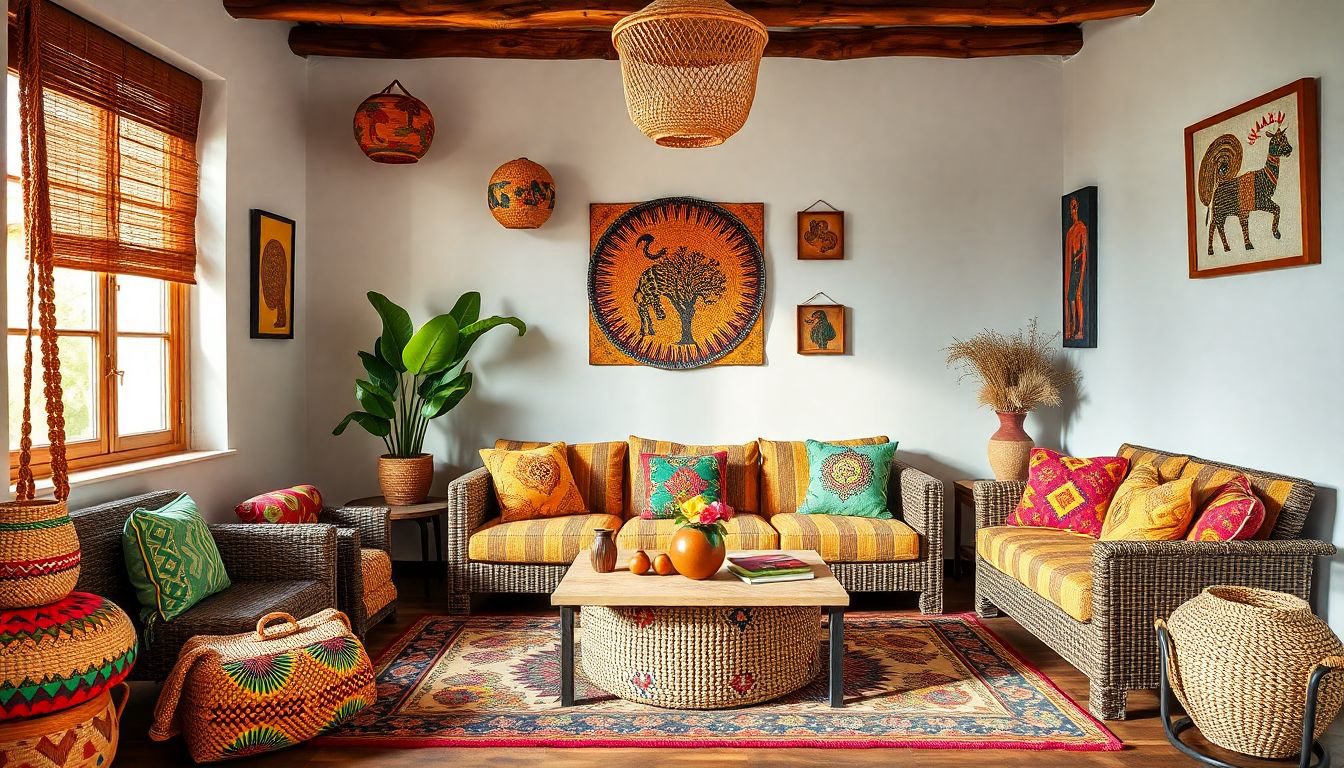
Craft remains central — many families commission local carvers and weavers, keeping traditional skills alive while supporting community economies.
Art, Spirituality, and Coastal Rhythms
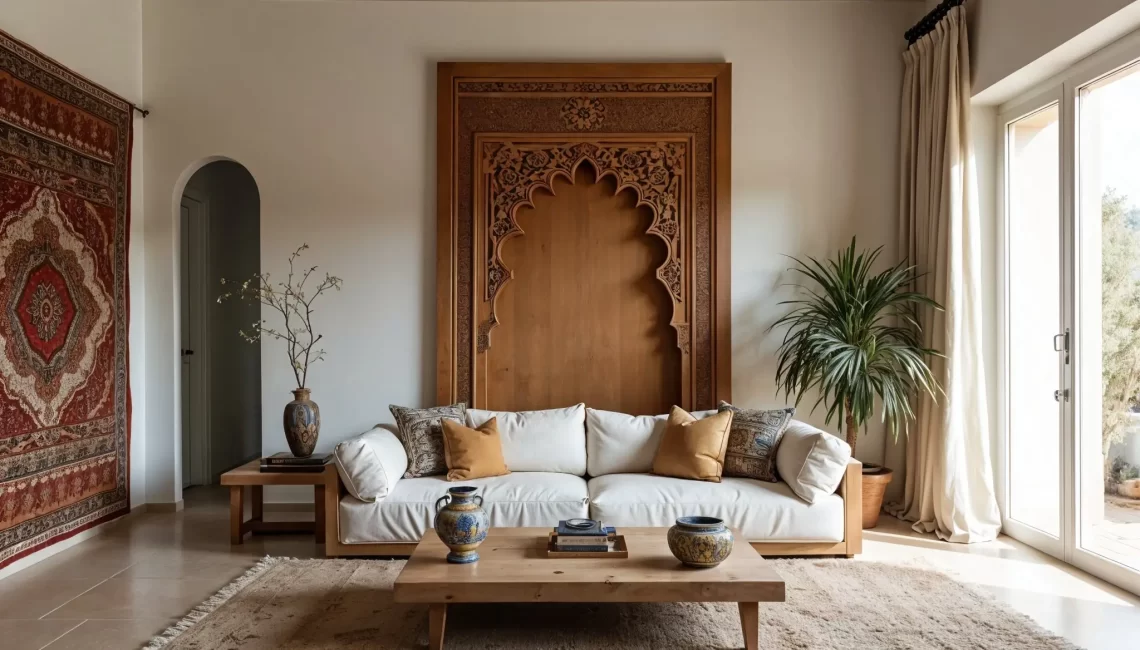
Art in Comorian homes is expressive and spiritually meaningful. Intricately carved wooden doors and window frames often feature Islamic geometric patterns, floral motifs, or symbolic animals. Kanga and leso textiles serve as both clothing and décor, their printed messages conveying blessings, wisdom, or social commentary.
Local artists draw inspiration from the sea, volcanoes, and Islamic-African heritage, producing paintings, jewelry, and sculptures that explore migration, identity, and harmony with nature. Homes frequently include a small prayer corner or display of family heirlooms, creating a gentle spiritual presence. Abundant natural light, ocean breezes through open shutters, and potted frangipani or ylang-ylang plants enhance the light, rhythmic atmosphere.
Influential Designers and Contemporary Vision
Comoros nurtures a growing creative scene that honors its multicultural roots. Designers blend traditional coral-stone and carved-wood techniques with sustainable tourism-focused architecture. Interior styles favor “barefoot elegance” — light, airy spaces enriched by local textiles, carved details, and ocean-inspired palettes. Many projects collaborate with artisans to produce furniture and décor that celebrate Comorian identity while meeting modern comfort needs.
Creating a Comorian-Inspired Home
Capture the breezy, culturally rich island spirit:
- Palette — Crisp whites, soft blues, corals, sunny yellows, and warm neutrals.
- Carved Wood — Feature statement doors, shutters, or furniture with intricate detailing.
- Textiles — Layer colorful kanga-style fabrics as curtains, throws, and wall art.
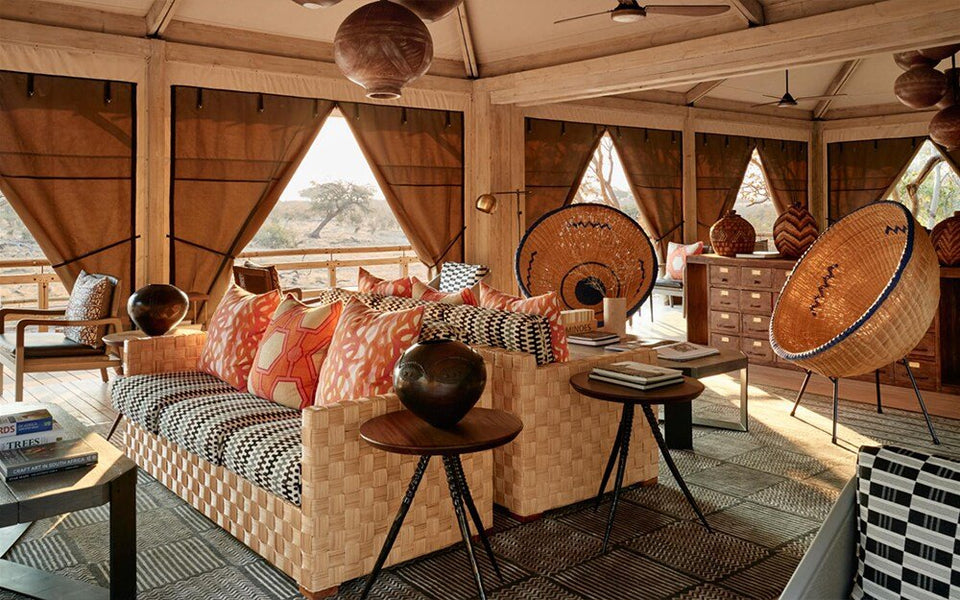
- Natural Light — Maximize windows and use sheer curtains or woven screens.
- Artisanal Objects — Display woven baskets, shell art, and local ceramics.
- Outdoor Flow — Verandas, patios, or balconies as extensions of living space.
- Coastal Touches — Seashells, model boats, and fresh flowers for rhythmic beauty.
Kitchens welcome with open shelving and fresh spices. Bedrooms feel serene with light fabrics and carved headboards. Living areas invite conversation and music through comfortable, open arrangements.
The Timeless Allure of Comorian Style
Comorian homes master the art of graceful living between continents and cultures. They transform modest island resources into poetic beauty, honor diverse heritage without excess, and create spaces where sea breezes, spirituality, and human warmth flow freely. In these light-filled interiors, every carved detail tells a story, every textile carries a proverb, and every home becomes a celebration of island resilience and joy.
From a whitewashed coral house in Moroni with carved doors opening to the Indian Ocean, to a hillside home on Anjouan alive with color and music, or a beachside villa on Mohéli where waves provide the rhythm, Comorian interiors embody Umoja — unity in diversity — and the enduring spirit of the Perfume Islands.
