
Top 100 video games of all time
TOP 15 BEST PS5 GAMES 2023
Top 50 NEW PC Games of 2023 [4K]
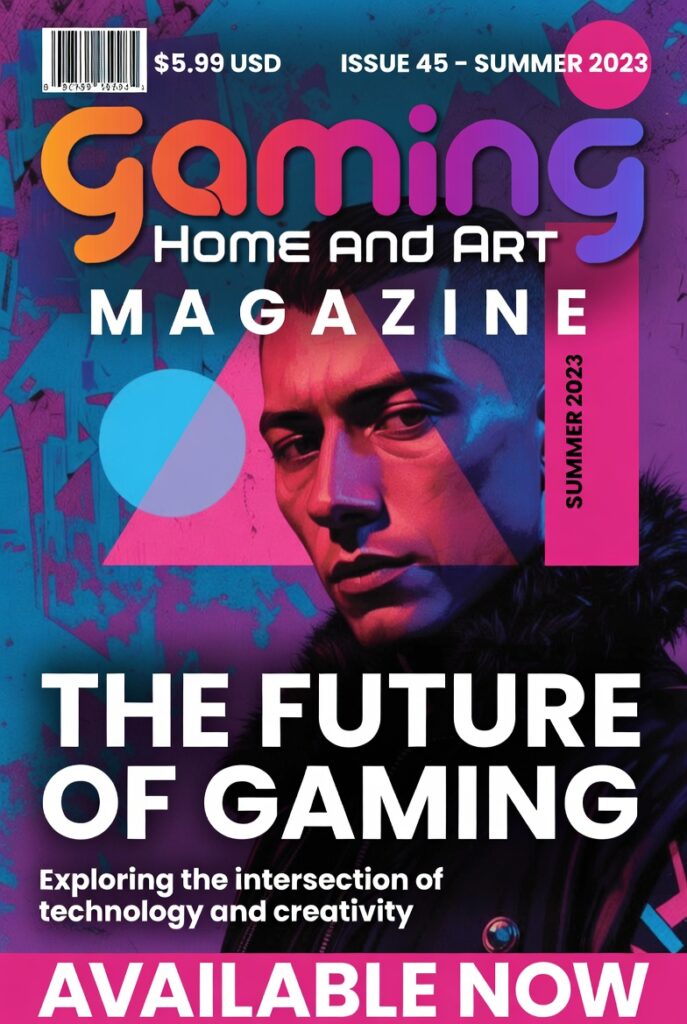
Gaming has evolved into one of the most dynamic intersections of technology, design, and culture—making it a natural fit for the pages of a modern home and art publication. Once confined to arcades and basement setups, gaming now shapes how we design living spaces, experience storytelling, and engage with digital art. Today, gaming is not just entertainment; it is an immersive lifestyle that blends architecture, creativity, and innovation.
At the heart of gaming’s influence on the home is the rise of dedicated gaming spaces. These environments are thoughtfully designed to balance aesthetics with performance. From sleek, minimalist setups featuring ambient lighting and ergonomic furniture to fully immersive rooms with multi-screen displays and surround sound systems, gaming spaces have become an extension of personal style. Just as a well-designed living room reflects taste and comfort, a gaming room expresses identity, creativity, and technological sophistication.
Interior designers are increasingly embracing gaming as a design element. LED lighting, acoustic panels, and modular furniture are no longer niche—they are central to crafting environments that enhance both gameplay and visual appeal. Color palettes inspired by cyberpunk, retro arcade nostalgia, or nature-based open-world games influence wall finishes, décor, and textures. The result is a fusion of digital inspiration and physical space, where the boundaries between virtual and real begin to blur.
Gaming also plays a significant role in the evolution of digital art. Video games are now recognized as a legitimate artistic medium, combining narrative, visual design, music, and interactivity. Titles like The Legend of Zelda: Breath of the Wild and Journey are celebrated not only for gameplay but for their breathtaking environments and emotional storytelling. These games function as living galleries, where players move through carefully crafted landscapes that rival traditional art forms.
This artistic influence extends into home décor. Framed concept art, sculptural figurines, and custom installations inspired by favorite games are increasingly common in modern interiors. Collectors and enthusiasts curate their spaces much like galleries, showcasing limited-edition prints or hand-painted models. Gaming-inspired art brings color, imagination, and narrative depth into the home, transforming walls and shelves into storytelling platforms.
Technology is another driving force behind gaming’s integration into home life. High-performance consoles like the PlayStation 5 and Xbox Series X are designed with both power and aesthetics in mind. Their sculptural forms often become focal points within entertainment centers. Meanwhile, advancements in virtual reality (VR) and augmented reality (AR) are redefining spatial interaction, allowing users to engage with digital environments in physically immersive ways.
As these technologies become more accessible, homes are adapting. Open floor plans now accommodate movement-based gaming, while smart home systems integrate seamlessly with consoles and PCs. Voice-controlled lighting, automated sound systems, and adaptive displays create responsive environments that enhance the gaming experience. In this sense, the home becomes a dynamic interface—responsive, interactive, and ever-evolving.
Gaming also fosters community, both online and offline. Multiplayer platforms connect players across the globe, but they also inspire in-person gatherings. Game nights, tournaments, and streaming setups bring people together, transforming homes into social hubs. Streaming, in particular, has introduced a performative aspect to gaming, where spaces are designed not just for play but for audience engagement. Background aesthetics, lighting, and camera framing become part of the creative process.
The cultural impact of gaming extends beyond entertainment into education and design thinking. Many games encourage problem-solving, spatial awareness, and creativity. Sandbox environments like Minecraft allow players to design entire worlds, fostering architectural imagination and engineering skills. These experiences influence how individuals think about space, structure, and design in real life.
Sustainability is also entering the conversation. As gaming technology advances, there is a growing emphasis on energy efficiency and eco-conscious design. Manufacturers are exploring ways to reduce power consumption and use recyclable materials, while gamers themselves are becoming more mindful of their environmental footprint. This aligns with broader trends in home design, where sustainability and innovation go hand in hand.
Looking ahead, the integration of gaming into home and art will only deepen. As artificial intelligence, cloud gaming, and immersive technologies continue to evolve, the distinction between digital and physical environments will become increasingly fluid. Homes will not just house gaming—they will participate in it, adapting to user preferences and creating personalized experiences.
In essence, gaming represents a new frontier in home and art. It challenges traditional notions of space, creativity, and interaction, offering a glimpse into a future where technology and design are seamlessly intertwined. Whether through immersive environments, digital artistry, or community engagement, gaming is reshaping how we live, create, and connect—one beautifully designed space at a time.
30 Best Online Games for PC You Can Play (Free and Paid)
