
Chilean Homes: Simplicity, Nature, and Thoughtful Balance
Homes in Chile often emphasize simplicity, functionality, and natural materials. Art inspired by landscapes and contemporary design adds subtle character to interiors that feel calm, balanced, and thoughtfully designed. This distinctive aesthetic emerges from Chile’s dramatic geography — a narrow ribbon of land stretching over 4,300 kilometers from the arid Atacama Desert in the north to the icy fjords of Patagonia in the south, framed by the Pacific Ocean and the towering Andes. Chilean interiors reflect this unique context: resilient, honest, and deeply connected to the environment.

The Roots of Chilean Domestic Design
Chilean architecture and interior design draw from a blend of indigenous traditions, colonial influences, and a strong modernist ethos shaped by the 20th century. Post-dictatorship architects turned inward, embracing local materials and pragmatic solutions due to economic constraints and seismic realities. The result is “rough modernism” — clean lines softened by raw timber, concrete, and stone.
Wood plays a starring role. Abundant native species like cypress, raulí, and coihue, along with sustainable pine, clad many homes inside and out. This material choice provides warmth in cooler regions, durability against earthquakes, and a visual tie to the forested landscapes of the Lake District and Patagonia. Concrete offers strength and thermal mass, while stone and adobe nod to traditional building techniques in the north.
Functionality reigns supreme. Chilean homes prioritize natural light, cross-ventilation, and seamless indoor-outdoor living. Courtyards, large windows, and sliding glass doors blur boundaries, allowing residents to embrace the country’s varied climates. Minimal ornamentation focuses attention on views, textures, and the play of light and shadow.
Regional Expressions: From Desert to Fjords
Chile’s extreme geography produces diverse expressions of the same core principles.
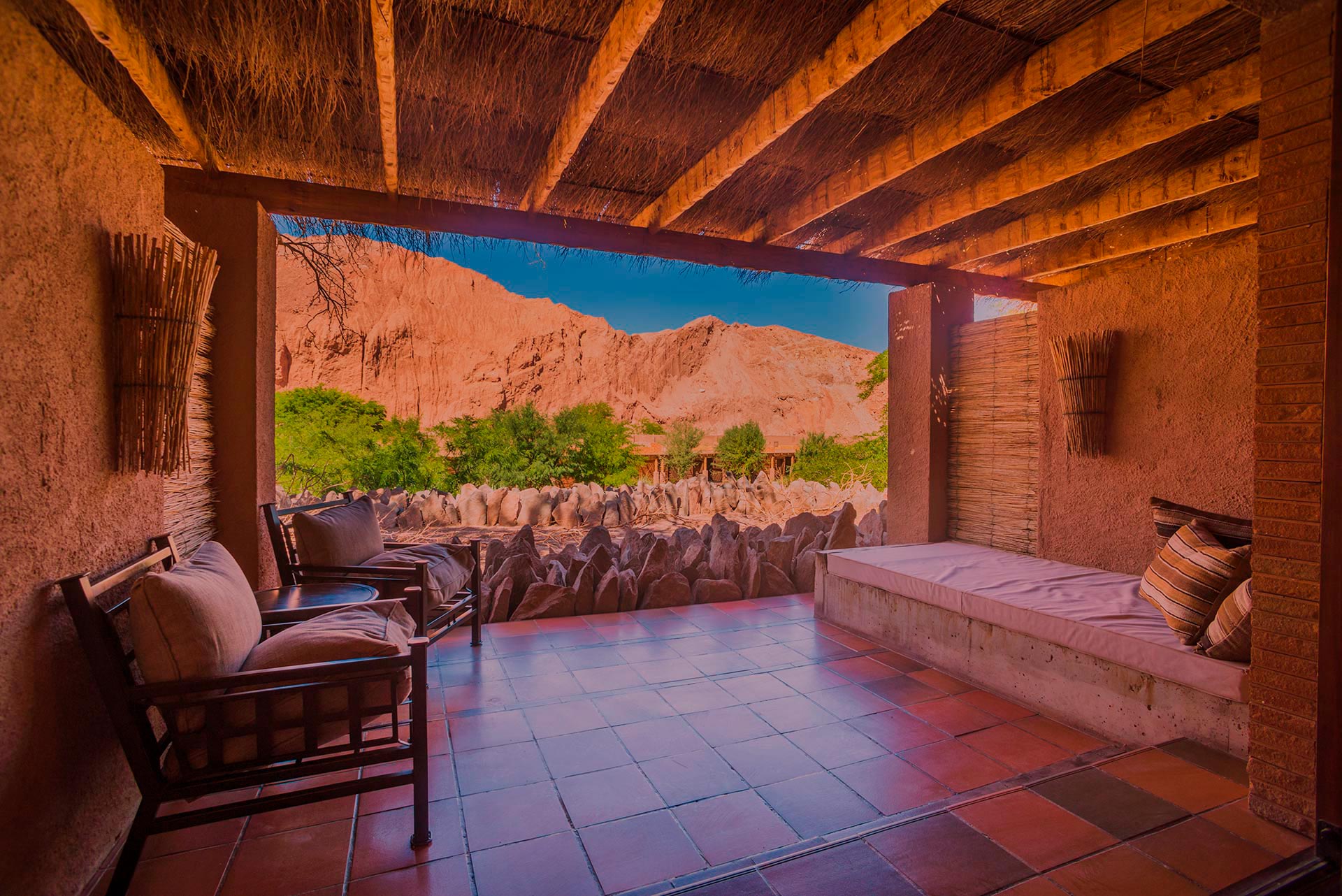
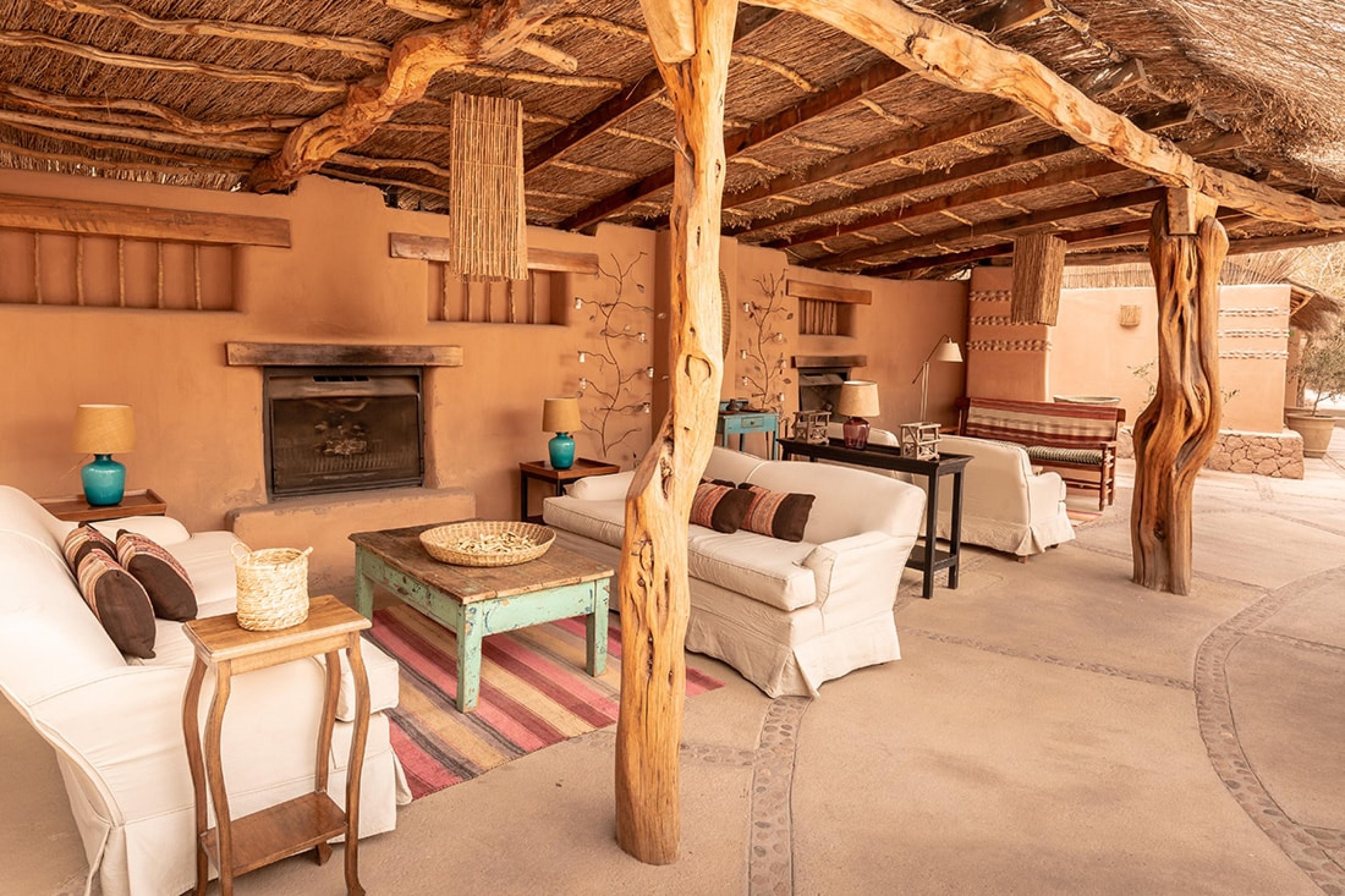
In the Atacama Desert, homes embrace earth tones and passive cooling. Adobe walls, thick for thermal regulation, pair with thatched roofs and local stone. Interiors feel monastic yet luxurious, with whitewashed surfaces, woven textiles, and sparse furnishings that highlight the infinite horizon. Hotels like Alto Atacama exemplify this: neutral palettes, natural fibers, and shaded terraces that frame volcanic landscapes.
Central Chile and Santiago showcase urban sophistication. Modern apartments and hillside homes use concrete and wood in balanced compositions. Courtyards bring greenery indoors, while floor-to-ceiling glass captures Andean vistas. Designers here master proportion and restraint — a single sculptural piece or large-format photograph suffices as art.

Valparaíso’s bohemian hills offer a more colorful counterpoint. While exteriors burst with vibrant paint on corrugated iron and timber, interiors often maintain calm through white walls, reclaimed wood floors, and eclectic collections of maritime artifacts or street art-inspired pieces. The result feels lived-in and artistic without sacrificing the national preference for simplicity.

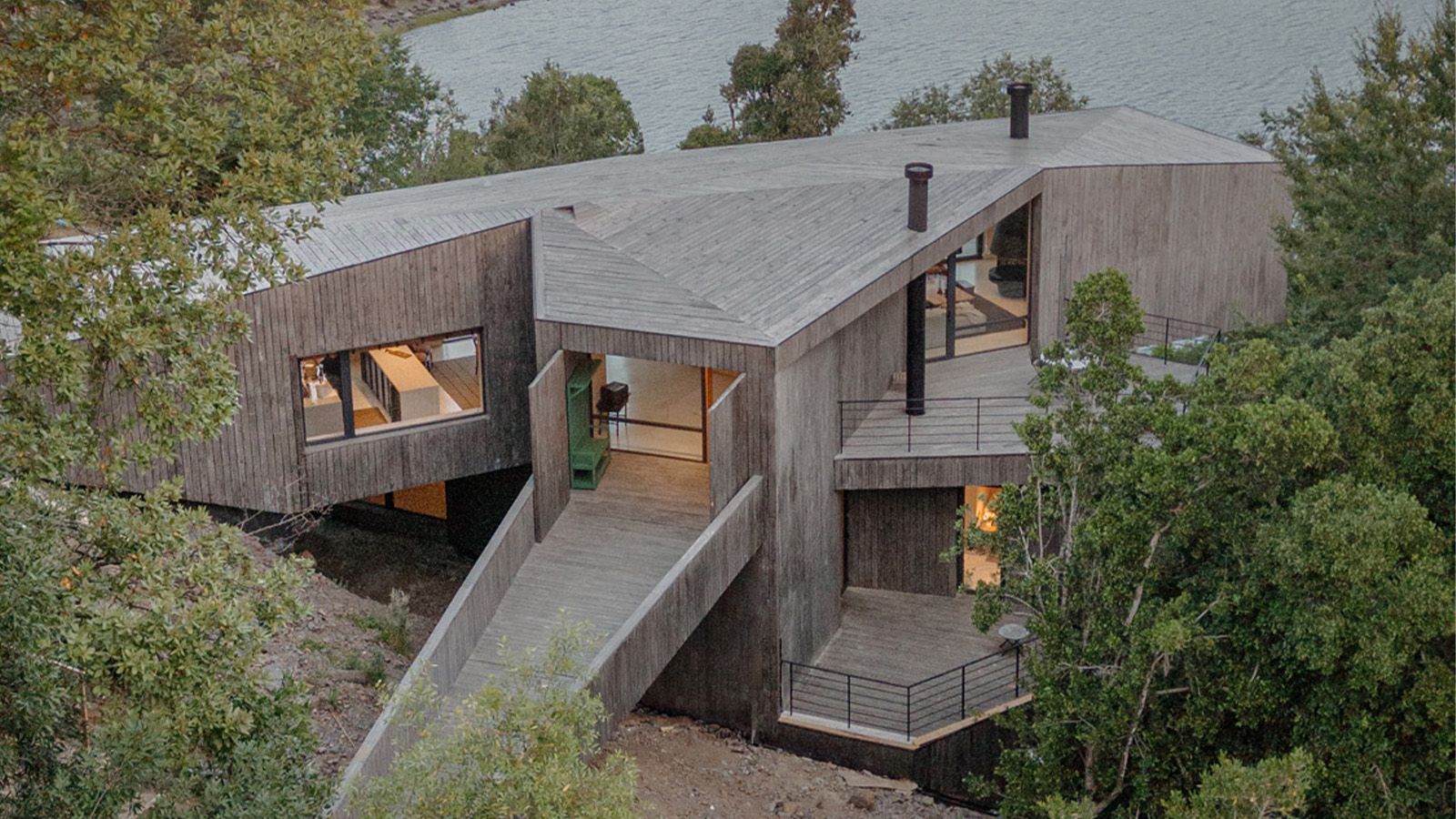
In the Lake District and Patagonia, timber reigns. Reclaimed wood creates warm, cocoon-like interiors that contrast dramatic outdoor scenery. Large picture windows frame ancient forests or lakes, while exposed beams and stone fireplaces provide rustic elegance. These homes feel like elegant shelters — protective yet open to nature’s power.


Materials and Craft: Honesty in Every Detail
Chilean design celebrates material honesty. Wood appears unfinished or charred for protection and character. Concrete shows formwork marks. Stone remains rough-hewn. These choices create tactile richness that compensates for minimal decoration.
Textiles add softness: wool throws from Mapuche-inspired patterns, linen curtains, and alpaca cushions in muted earth tones. Furniture often mixes custom wood pieces with mid-century modern classics or simple industrial elements. Lighting favors warm, layered sources — pendant lamps of woven rattan, wall sconces, and abundant daylight.

Sustainability is inherent. Many architects use locally sourced or reclaimed materials, design for passive heating/cooling, and integrate rainwater systems. In a country vulnerable to earthquakes, this pragmatic approach doubles as environmental stewardship.
Art and Personal Expression
Art in Chilean homes is rarely ostentatious. It draws inspiration from the landscape — abstract paintings evoking Patagonian winds, photographs of salt flats, or sculptures referencing Andean geology. Contemporary artists like those influenced by the country’s strong design scene create subtle statements: a large canvas of layered blues and grays, handcrafted ceramics, or woven wall hangings.
Many homeowners collect objects with meaning — stones from beach walks, books, or family heirlooms. This creates “thoughtfully designed” spaces that feel personal rather than curated. A single bold artwork can anchor a neutral room, while smaller pieces add rhythm across shelves or mantels.
Influential Voices in Chilean Design
Architects like Alejandro Aravena (Pritzker Prize winner) demonstrate how simplicity serves social and environmental needs. Firms such as Pezo von Ellrichshausen craft geometric, landscape-engaged homes that feel monumental yet intimate. Smiljan Radić, 2026 Pritzker laureate, explores raw materials and poetic forms. Mathias Klotz and Cecilia Puga refine modernist clarity with local sensitivity.
Interior designers like Katherine Rahal and studios such as Grisanti & Cussen blend natural textures with contemporary comfort, proving that restraint can be warm and inviting.
Creating a Chilean-Inspired Home
You don’t need dramatic topography to channel this style. Start with a neutral base: white or warm gray walls, natural wood floors, and linen upholstery. Introduce texture through exposed beams, stone accents, or a concrete feature wall. Maximize light with sheer curtains and strategic mirrors.
Choose furniture with clean lines and visible joinery. Incorporate sustainable pieces — perhaps a reclaimed wood table or rattan lighting. Layer with textiles in earthy palettes: deep greens, terracotta, charcoal, and cream.
Art selection should reflect your surroundings or travels. One large landscape-inspired piece or a gallery wall of nature photography can transform a space. Plants, especially native species, bring life indoors.
In kitchens, open shelving displays handmade pottery and glassware. Bathrooms favor stone or tiled surfaces with wooden vanities and oversized windows or skylights.
For outdoor connection, create a terrace or balcony with simple seating and potted olives or native plants. In urban settings, a courtyard or large windows suffice.

Why This Style Resonates Today
Chilean homes offer a antidote to excess. In an era of visual overload, they provide calm through honesty and connection to place. They remind us that good design solves problems — seismic safety, climate adaptation, material scarcity — while nourishing the spirit.
These spaces feel grounded because they are: built from the land, shaped by its challenges, and opened to its beauty. The result is interiors that age gracefully, support daily life, and quietly inspire.
Whether in a Santiago apartment overlooking the Andes, a lakeside timber retreat, or an Atacama adobe sanctuary, Chilean homes embody thoughtful living. They prove that simplicity, when executed with care and respect for materials and landscape, creates profound beauty.
This approach — calm, balanced, and deeply authentic — offers timeless lessons for anyone seeking a home that feels both modern and rooted.
