Central African Homes: Organic Craft, Symbolism, and Grounded Daily Life
In the Central African Republic, art and home culture are rooted in handcraft and symbolism. Wood carving, weaving, and functional objects inform interiors that feel organic and grounded, where art serves both practical and cultural roles within daily life. This deeply tactile and spiritually infused aesthetic emerges from one of Africa’s most ethnically diverse nations — home to more than 80 groups including the Bantu, Gbaya, Banda, Ngbaka, and forest-dwelling Aka peoples. Landlocked between the Congo Basin rainforests and the Sahelian savannas, Central African homes reflect adaptation to equatorial climate, rich natural resources, and a worldview where the spiritual and material worlds are inseparable. From bustling Bangui to remote village compounds, these interiors prioritize community, functionality, and the quiet power of handmade objects that carry ancestral knowledge.
Historical and Cultural Foundations
Central African domestic traditions trace back to ancient migrations and settled agrarian societies. Traditional architecture favored circular or rectangular mud-and-thatch structures suited to the climate — thick walls for thermal regulation, steeply pitched thatched roofs for heavy rains, and elevated designs in flood-prone areas. Compounds arranged multiple dwellings around a central courtyard for extended families and communal activities.
Colonial French influence introduced rectangular brick and concrete forms, especially in Bangui, but rural building practices remained largely vernacular. Post-independence, cultural resilience has kept craft traditions strong. Wood carving, once reserved for royal and ritual objects, now enriches everyday homes. Today, a quiet revival blends traditional techniques with sustainable modernism, emphasizing local materials and cultural continuity.
Regional Variations
Bangui and Urban Southwest: Capital homes and apartments mix colonial-era structures with contemporary builds. High ceilings, verandas, and large windows combat humidity. Interiors feature white or earth-toned walls contrasted with bold textiles and carved wooden furniture. Courtyards or small gardens extend living space.
Western Rainforest Regions (Lobaye, Sangha): Dense forest communities build lightweight, elevated or thatched homes using forest materials. Interiors are minimal yet expressive, with woven leaf mats, bark cloth, and small carved figures. Spaces feel intimately connected to the surrounding canopy.
Central and Eastern Savannas: Gbaya and Banda areas feature larger compounds with mud-brick or wattle-and-daub walls. Homes often include shaded verandas and granaries. Interiors layer woven baskets, pottery, and functional carvings, creating warm, practical family environments.
Northern Regions: Closer to Sahelian influences, homes use thicker earthen walls and flatter roofs. Interiors emphasize durability with leather, metal accents, and simpler but powerful symbolic objects.
Riverine and Mining Areas: Along the Oubangui River, homes incorporate more ventilation and lighter materials, with fishing and trade-related crafts visible in décor.

Materials and Handcrafted Tradition
Central African homes are defined by organic, locally harvested materials shaped by skilled hands:
- Wood: Ebony, sapele, and other hardwoods for structural elements, doors, stools, and sculptures. Carving is highly developed, with motifs representing animals, spirits, or proverbs.
- Earth and Thatch: Mud plaster (banco), adobe bricks, and grass thatch for natural cooling and breathability.
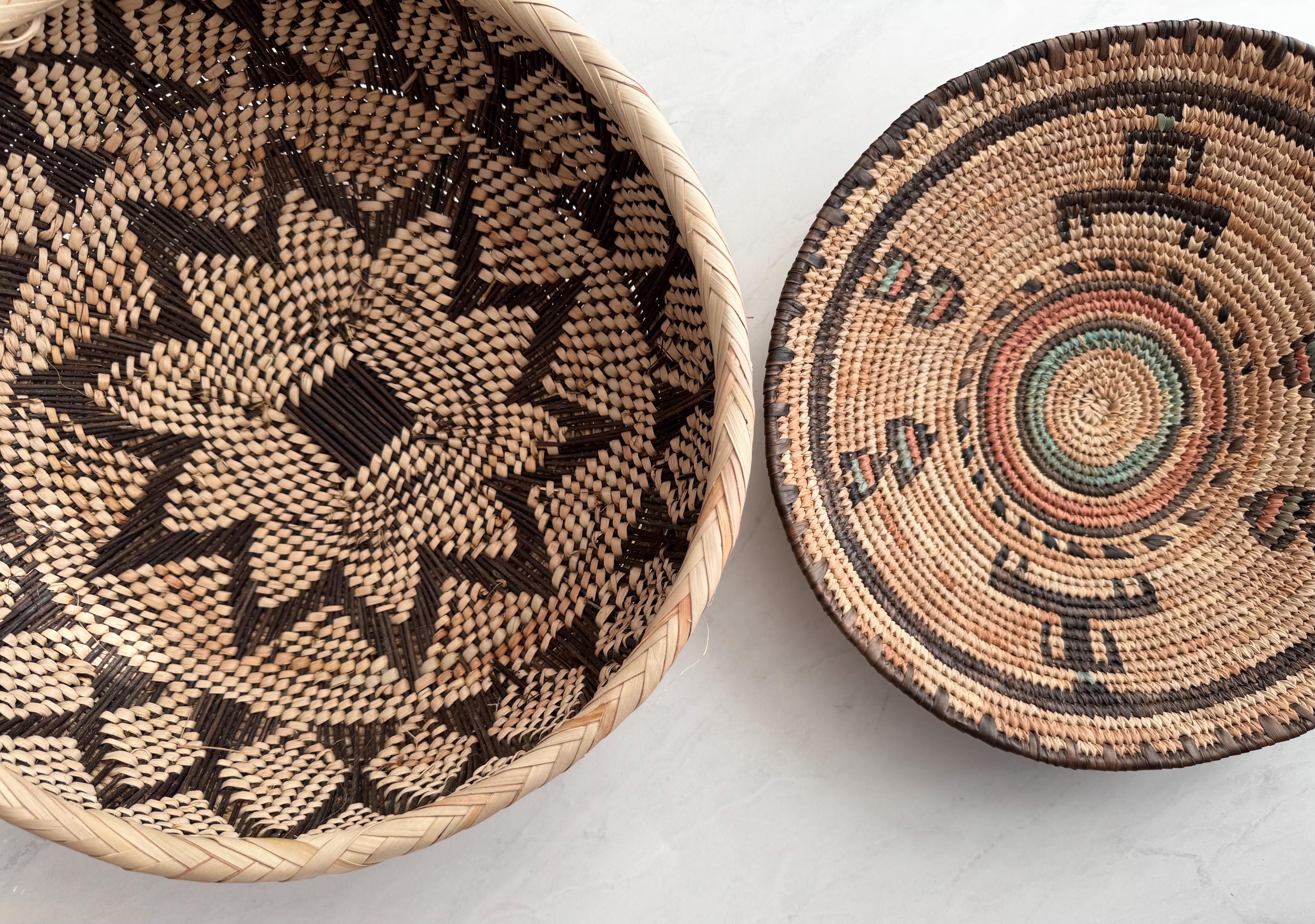
- Woven Fibers: Raffia, palm, and grasses for intricate baskets, mats, and wall panels — often featuring geometric patterns with symbolic meaning.
- Pottery and Clay: Hand-built vessels for storage, cooking, and decoration with incised or painted designs.
- Textiles and Leather: Handwoven cotton, bark cloth, and animal hides for seating, curtains, and ritual use.
- Metalwork: Forged iron tools and decorative elements, sometimes incorporating recycled materials.
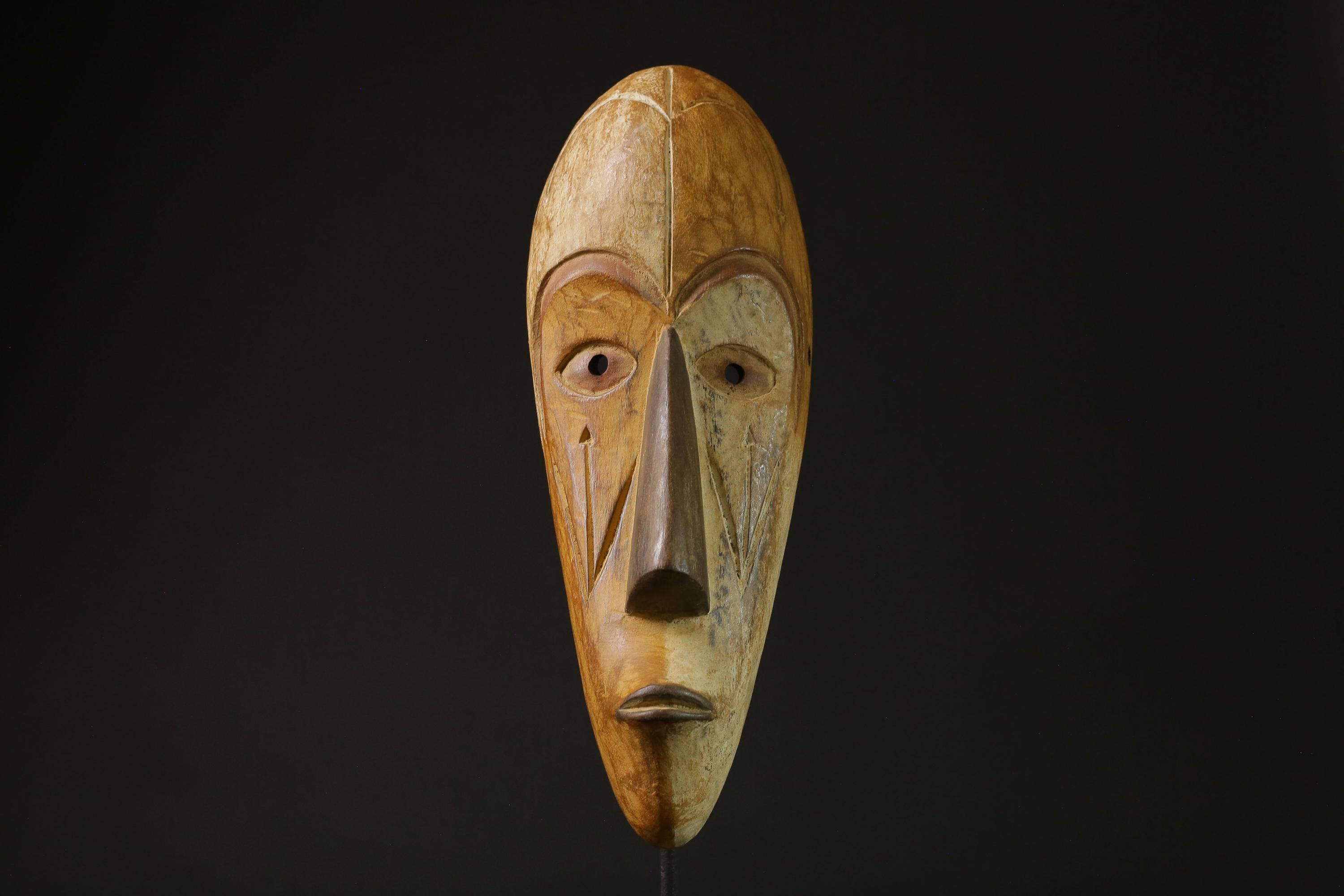
Craft is communal — many families work with local artisans, ensuring pieces are both beautiful and spiritually potent.
Art, Symbolism, and Functional Beauty
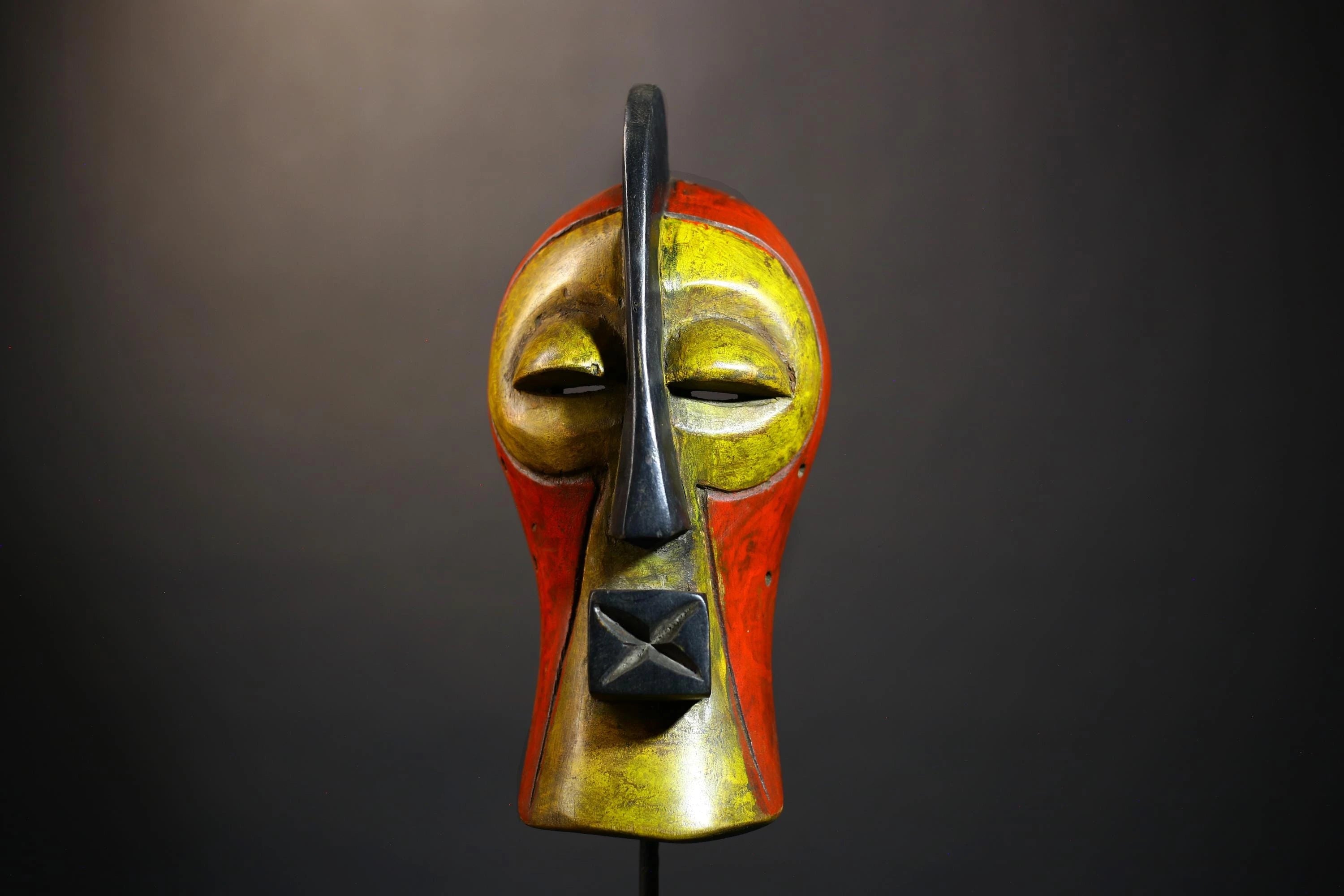
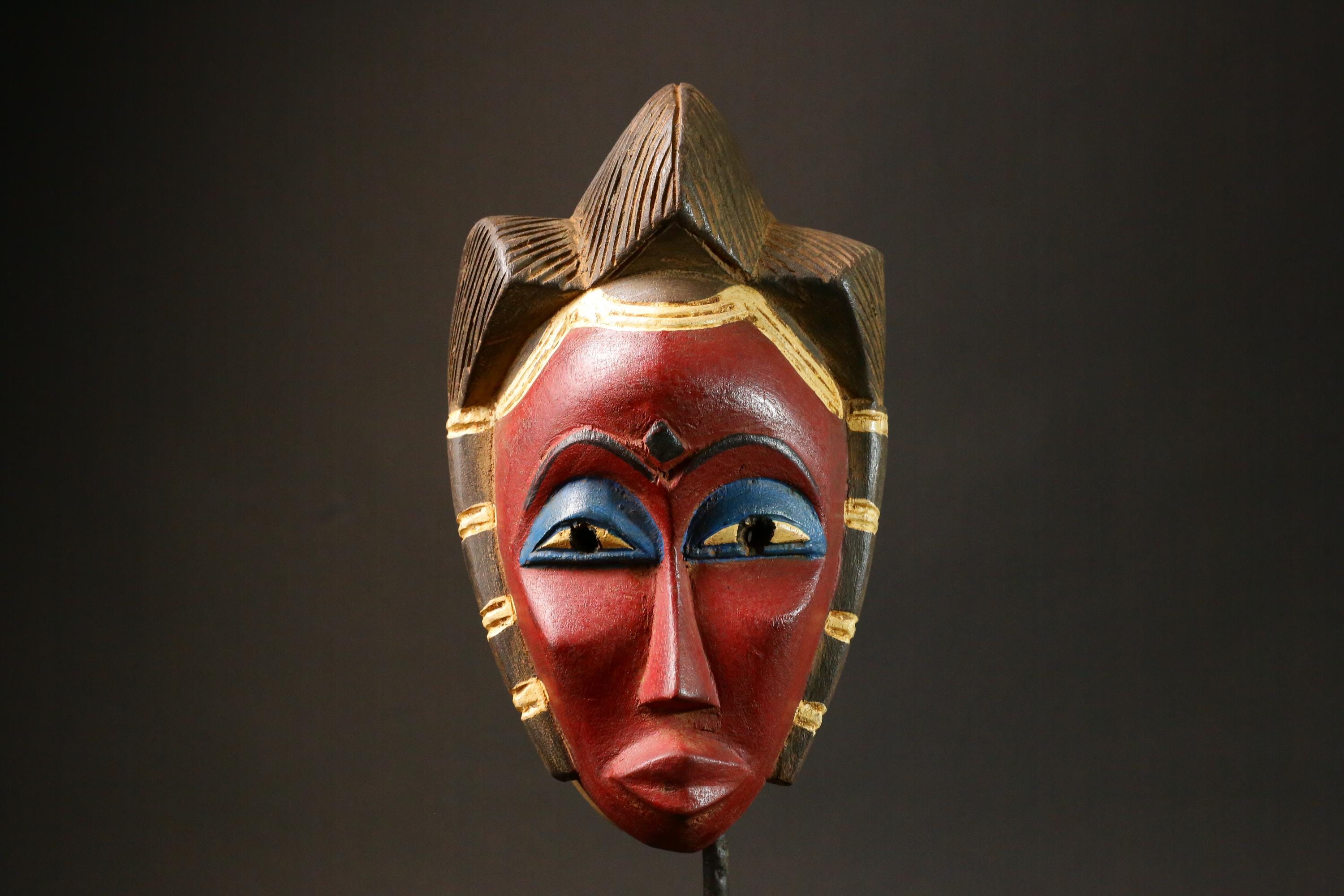
Art in Central African homes is rarely purely decorative; it serves practical, social, and spiritual roles. Carved wooden masks appear as powerful wall sculptures. Stools with anthropomorphic or zoomorphic forms double as seating and status symbols. Woven baskets store grain while displaying geometric codes understood by community members.
Contemporary Central African artists reinterpret these traditions in painting, sculpture, and installation, often addressing identity, environment, and resilience. Homes frequently feature ancestral altars or dedicated corners with figures, beads, and offerings. Natural light filtering through woven screens, combined with the scent of wood smoke or medicinal herbs, creates calm yet spiritually charged atmospheres.

Influential Designers and Contemporary Vision
While formal design education is emerging, Central African creativity thrives through artisan collectives and cultural centers in Bangui. Designers increasingly blend traditional carving and weaving with modern functionality — creating furniture lines that export cultural excellence. Projects emphasize sustainability, using responsibly sourced wood and supporting women’s weaving cooperatives. The result is authentic, grounded design that respects heritage while meeting contemporary family needs.
Creating a Central African-Inspired Home
Bring this organic, symbolic warmth into any space:
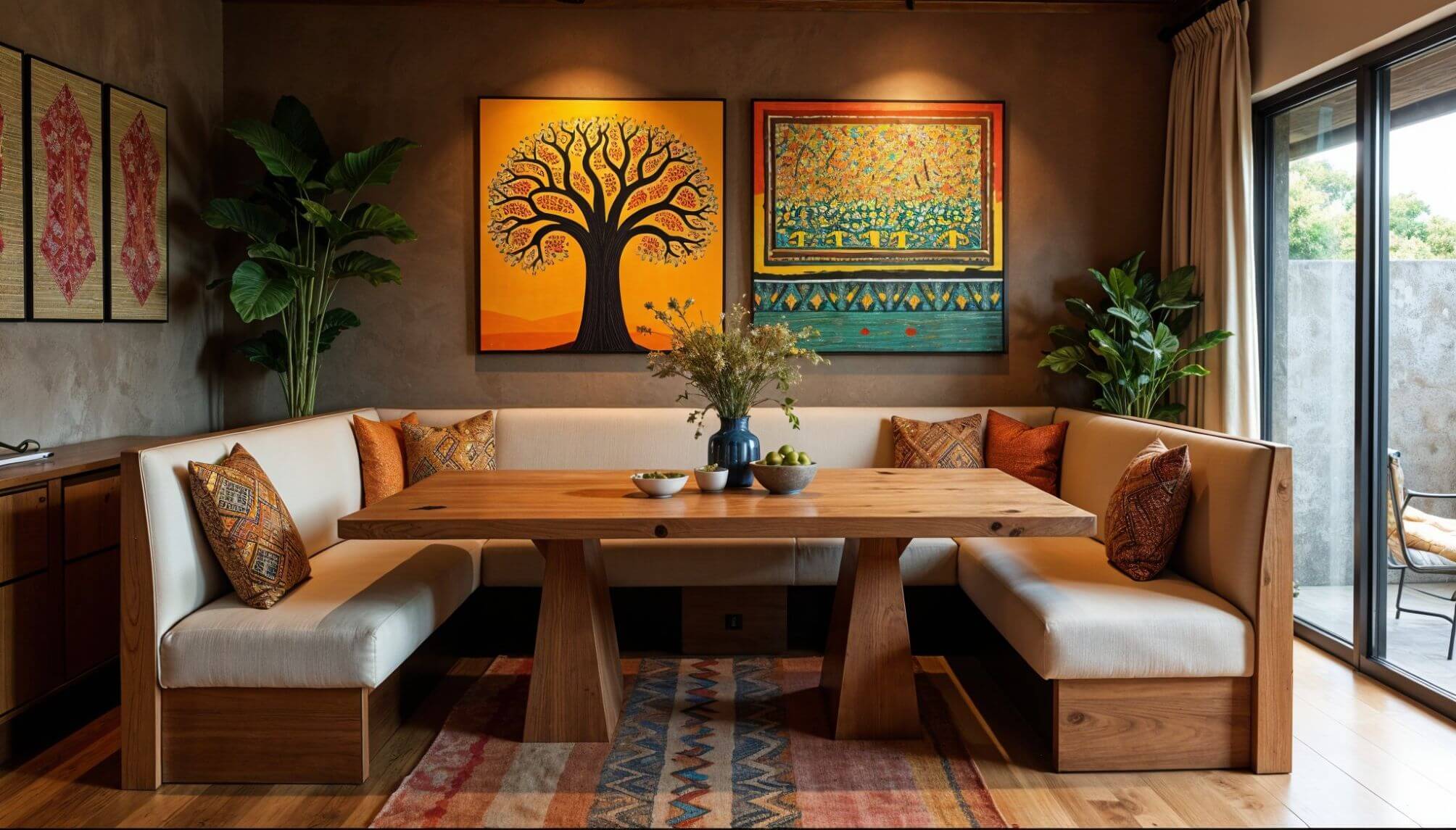
- Palette — Earthy neutrals (terracotta, ochre, deep brown, warm beige) with accents of indigo, rust, and black from textiles.
- Sculptural Wood — Feature one or two carved stools, masks, or figures as focal points.
- Woven Elements — Layer baskets, mats, and raffia wall hangings for texture and pattern.
- Furniture — Low wooden tables, carved benches, and comfortable seating with leather or fabric.
- Functional Art — Use pottery for storage and display, iron accents for lighting or hardware.
- Community Flow — Open or courtyard-style layouts with circular seating arrangements.
- Natural Details — Abundant plants, woven screens, and soft, layered lighting.
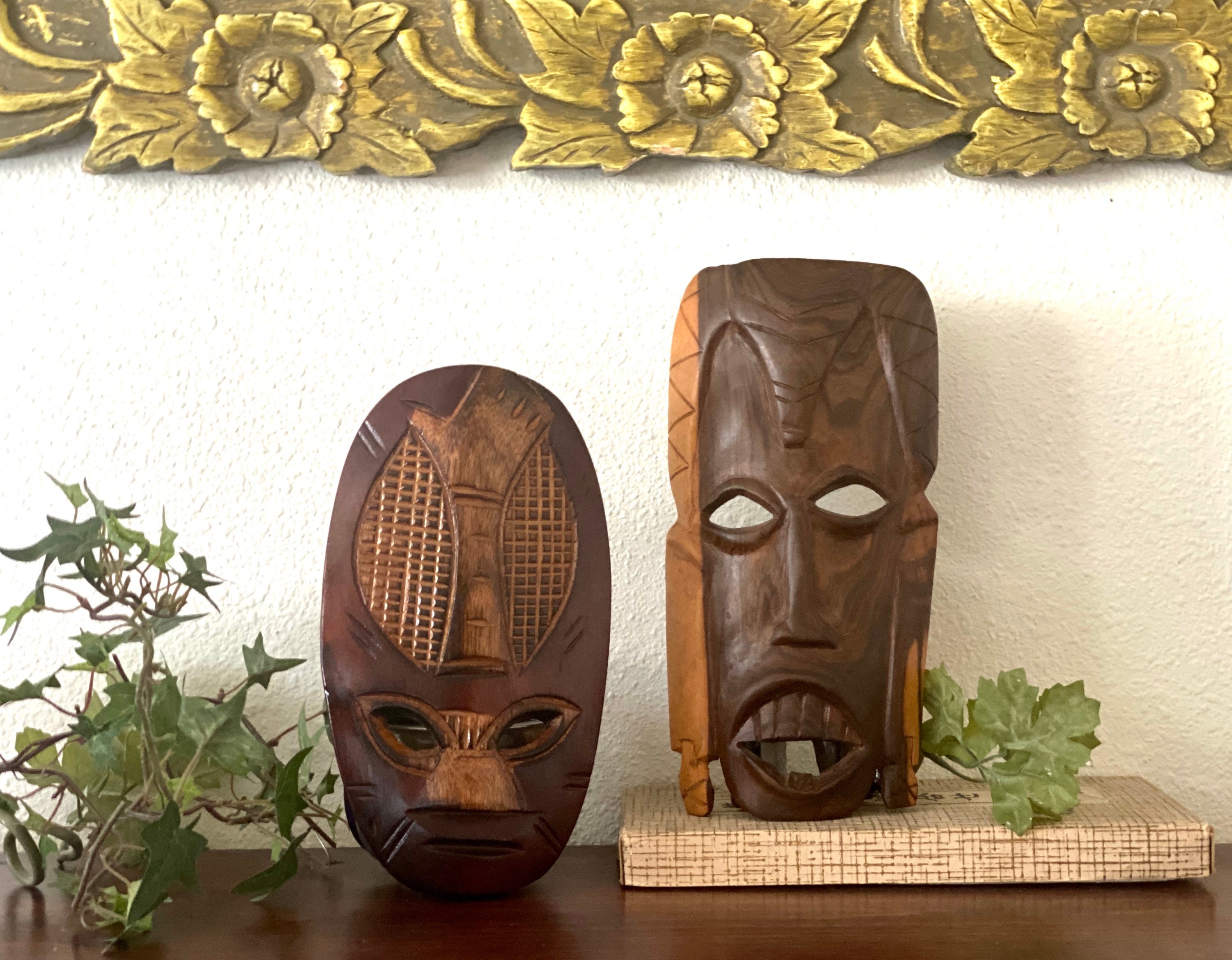
Kitchens celebrate communal cooking with open shelving and handmade vessels. Bedrooms feel protective with symbolic carvings and layered natural bedding. Living areas invite storytelling and shared meals through warm, grounded arrangements.
Why Central African Style Endures
Central African homes demonstrate the profound unity of art and daily existence. They transform necessity into beauty, honor diverse ethnic legacies, and create spaces where craftsmanship nourishes both body and spirit. In an increasingly disconnected world, they offer a model of grounded creativity — homes that are practical yet poetic, individual yet deeply communal.
From a rainforest dwelling where thatch and carved wood blend with the trees, to a Bangui home alive with vibrant textiles and ancestral presence, or a savanna compound where mud walls and woven baskets tell stories of resilience, Central African interiors embody organic strength and cultural richness. They remind us that the most meaningful homes are those where every object carries memory, every space supports community, and handmade beauty remains at the heart of life.