
Beninese Homes: Symbolic Objects, Expressive Forms, and Spiritual Storytelling
Benin holds a powerful artistic legacy, particularly in sculpture, metalwork, and ceremonial art. In the home, Beninese influence is seen through symbolic objects, handcrafted décor, and expressive forms that honor storytelling, spirituality, and the country’s historic role in shaping African visual culture. This rich aesthetic draws from the ancient Kingdom of Dahomey (c. 1625–1894), Vodun spiritual traditions, Fon, Yoruba, and other ethnic influences, and a vibrant fusion of Portuguese, Brazilian, French, and indigenous elements. From bustling Cotonou to historic Porto-Novo and rural villages, Beninese homes transform everyday living into a celebration of heritage, resilience, and creative expression.
Historical and Cultural Foundations
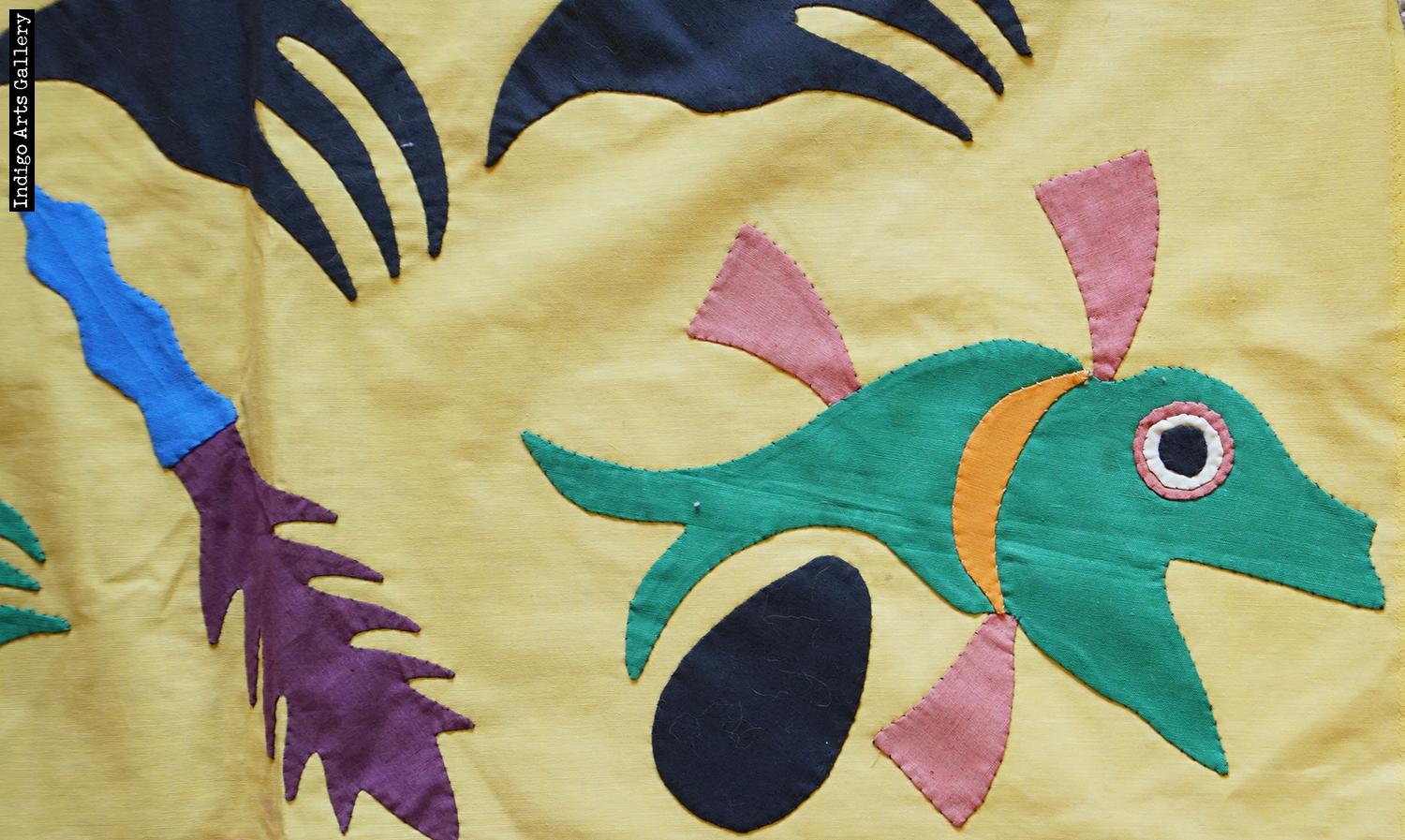
Benin’s design heritage is inseparable from its kingdoms and spiritual systems. The Kingdom of Dahomey was renowned for its royal palaces in Abomey, decorated with colorful appliqué textiles (appliqué banners depicting battles, proverbs, and deities), intricate ironwork, and symbolic architecture. Vodun (often misunderstood as “voodoo”) infuses homes with protective objects — bocio (empowered wooden figures), asen (metal altars for ancestors), and récades (ceremonial axes symbolizing authority).
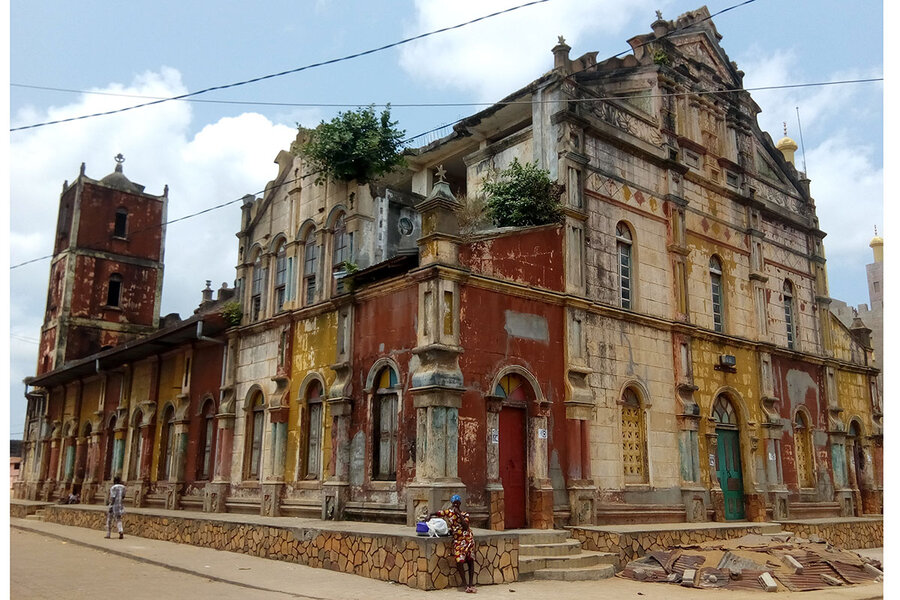
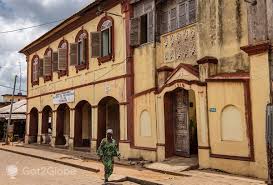
Portuguese contact and the transatlantic era introduced Afro-Brazilian (Aguda) influences, visible in Porto-Novo’s ornate colonial-style houses with verandas, shutters, and decorative facades. French colonization added neoclassical touches, while post-independence Benin has seen a renaissance of craft revival and contemporary design that reinterprets these legacies sustainably and expressively.

Regional Variations
Cotonou and Coastal Areas: Dynamic, urban homes blend modernist apartments with vibrant markets nearby. Open plans, balconies, and terraces maximize breezes. Interiors mix concrete or tile floors with colorful textiles, wooden carvings, and metal accents. Bright walls (turquoise, saffron, terracotta) create energetic family spaces.
Porto-Novo (Capital): The historic center showcases Afro-Brazilian sobrado architecture — multi-story homes with ornate plasterwork, verandas, and courtyards. Interiors feel layered and narrative-rich, with high ceilings, wooden details, and displays of appliqué art and sculptures.
Abomey and Central Regions: Heartland of Dahomey legacy. Traditional compounds and restored royal palace elements feature mud-brick walls, thatched or tiled roofs, and expansive courtyards. Homes display bas-relief inspired motifs and symbolic objects. Interiors emphasize earth tones and tactile crafts.
Northern and Rural Areas: Somba tata houses (fortress-like with granaries on top) or simpler thatched compounds prioritize community and functionality. Interiors use woven mats, calabashes, and minimal yet powerful sculptural pieces.
Ouidah and Vodun Centers: Homes near sacred forests integrate spiritual objects openly — iron staffs, beadwork, and altars — creating serene yet potent atmospheres.
Materials and Handcrafted Tradition
Beninese homes celebrate tactile, meaningful materials:
- Wood: Carved doors, stools, masks, and bocio figures from local hardwoods.
- Metalwork: Brass, iron, and recycled metals for asen altars, sculptures, and decorative elements.
- Textiles: Bold appliqué (tenture) cloths, pagne (wrap fabrics), and indigo-dyed cottons.
- Earth and Clay: Adobe, mud plaster, and ceramic pottery.
- Fibers and Beads: Raffia, palm, cowrie shells, and glass beads for adornment and symbolism.

Craft guilds and artisans keep traditions alive, often collaborating with contemporary designers for sustainable, culturally rooted pieces.
Art as Storytelling and Spirituality
Art in Beninese homes is functional, symbolic, and narrative. Fon appliqué textiles depict historical events, Vodun deities (Legba, Mami Wata), or proverbs. Wooden sculptures and metal asen honor ancestors. Contemporary artists reinterpret these in paintings, installations, and mixed-media works, blending tradition with global perspectives.
Homes often feature curated collections: royal-inspired récades, beadwork, pottery, and personal heirlooms. Plants, natural light, and strategic placement of objects create dynamic, spiritually charged environments that feel both protective and celebratory.
Influential Designers and Contemporary Vision
Benin’s creative scene is flourishing. Designers draw on textile heritage (e.g., handwoven yan fabrics) and sculptural traditions. Fashion and interior creators like Charlemagne Amoussou and others fuse traditional crafts with modern minimalism. Architects blend Afro-Brazilian forms with sustainable practices. Studios emphasize artisan collaboration, upcycling, and cultural preservation, producing globally relevant yet deeply local work.
Creating a Beninese-Inspired Home
Channel this expressive legacy:
- Palette — Earthy bases (ochres, terracottas, deep greens) with bold accents from textiles.
- Sculptural Focus — Statement wood carvings, metal objects, or asen-inspired pieces.
- Textiles — Layer appliqué hangings, cushions, throws, and beadwork.
- Furniture — Carved wooden stools, low tables, and comfortable modern seating.
- Symbolic Details — Beads, cowries, ironwork, and meaningful collections.
- Flow — Courtyard or balcony emphasis, open gathering spaces.
- Lighting — Warm, layered lighting to highlight textures and forms.
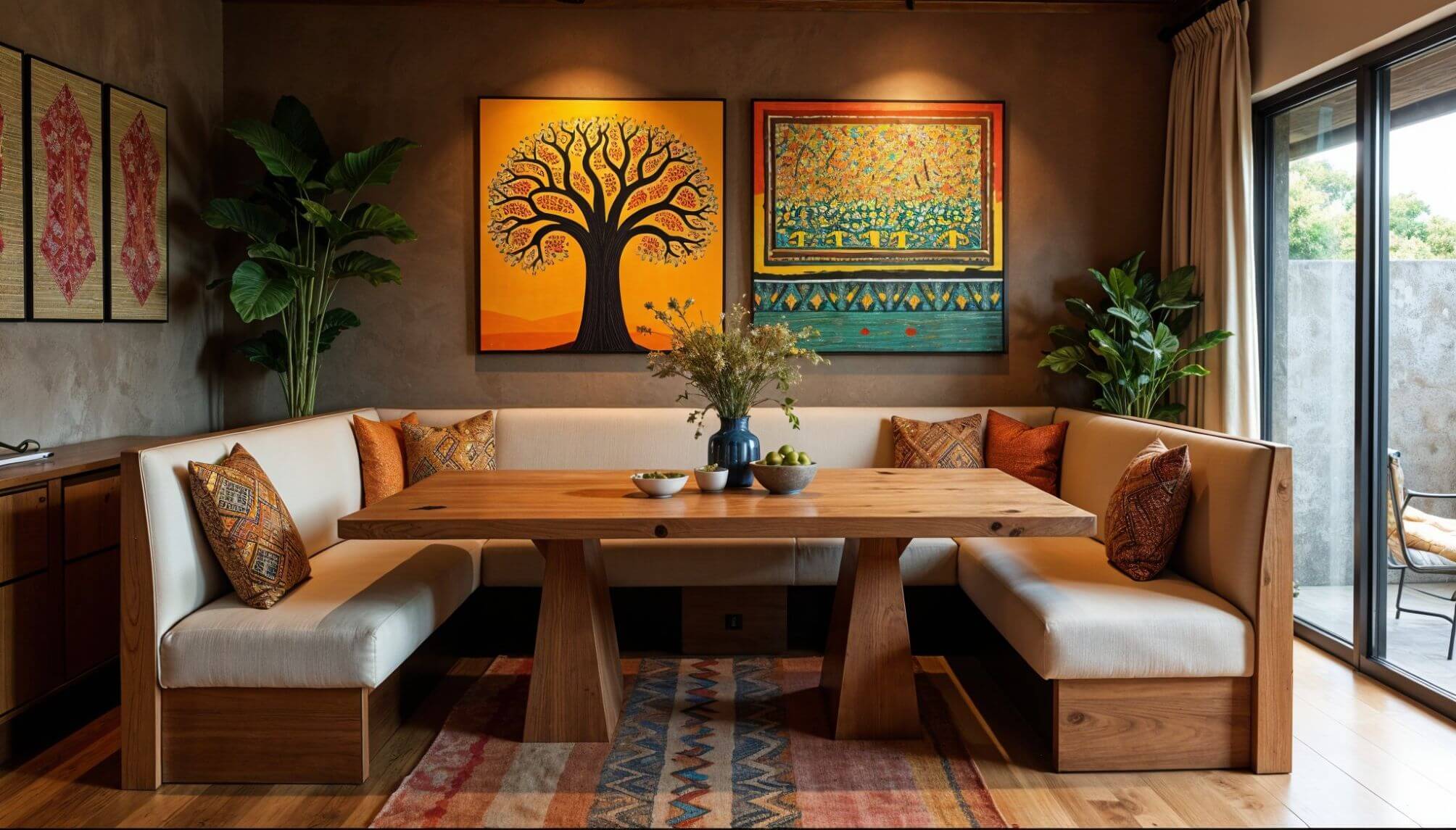
Kitchens become vibrant with open shelving for pottery and spices. Bedrooms feel intimate with protective art and layered fabrics. Living areas foster storytelling and connection.
The Enduring Power of Beninese Style
Beninese homes embody storytelling, spirituality, and creative resilience. They honor complex histories while forging vibrant futures, using material and symbolism to connect past, present, and community. In these spaces, every object carries meaning, every surface tells a story, and every home becomes a living gallery of African visual culture.
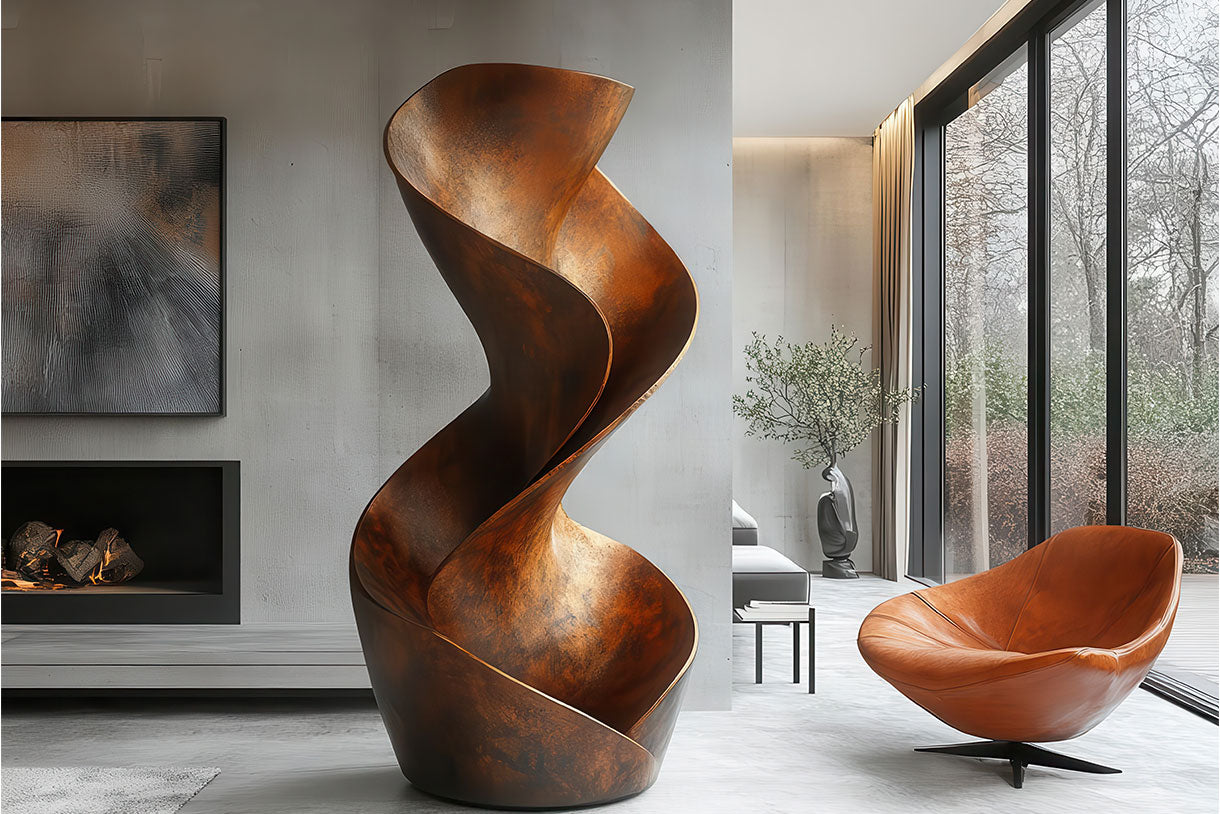
From an Afro-Brazilian house in Porto-Novo with ornate details and vibrant textiles, to a rural compound filled with ancestral sculptures, or a contemporary Cotonou apartment blending metalwork and modernism, Beninese interiors radiate power, warmth, and profound cultural depth. They celebrate life’s sacred narratives through beauty, craft, and spirit.
